Grandstream Business Networking
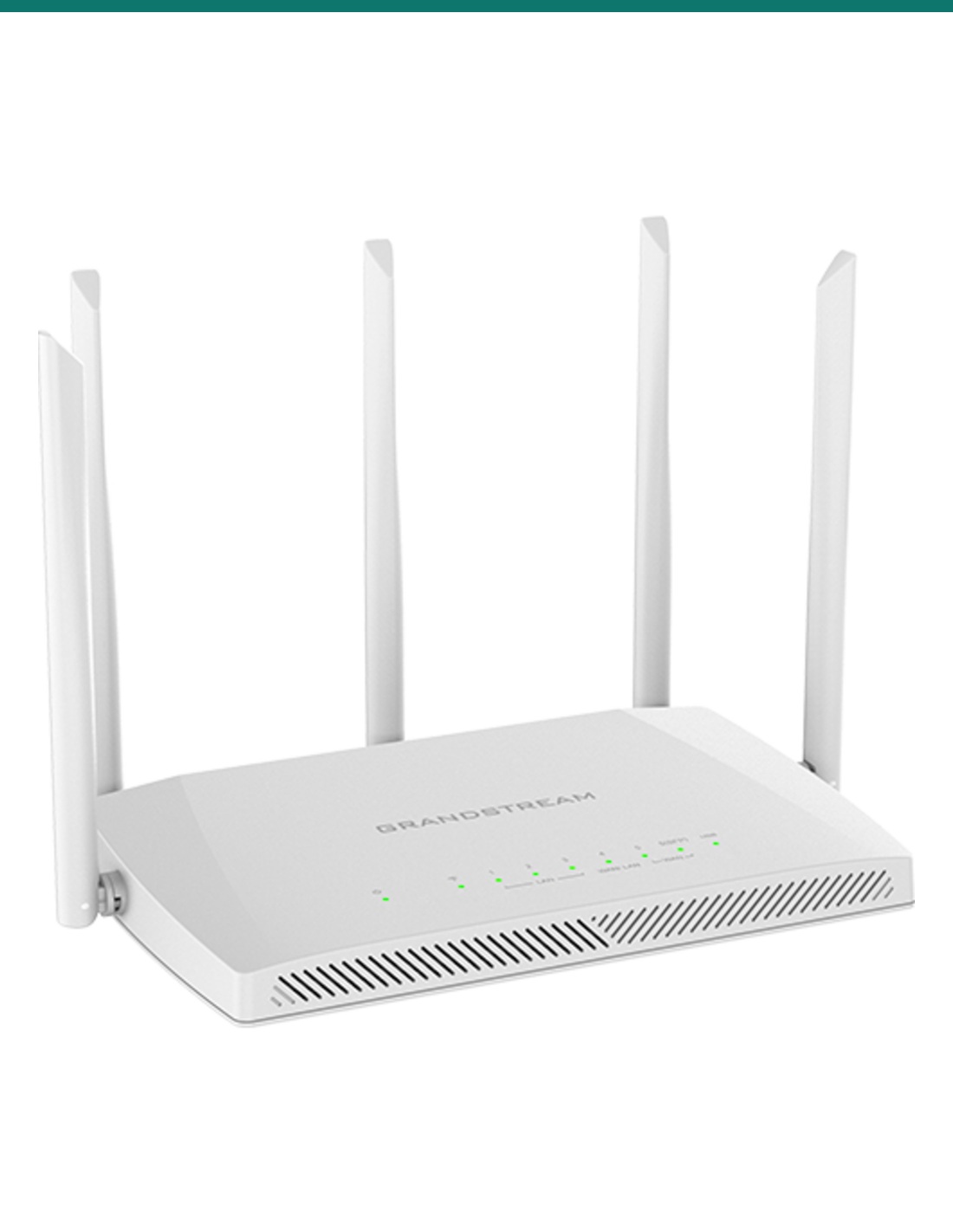
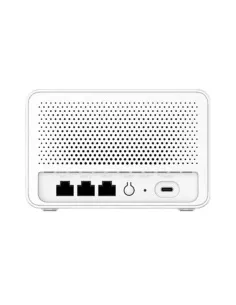
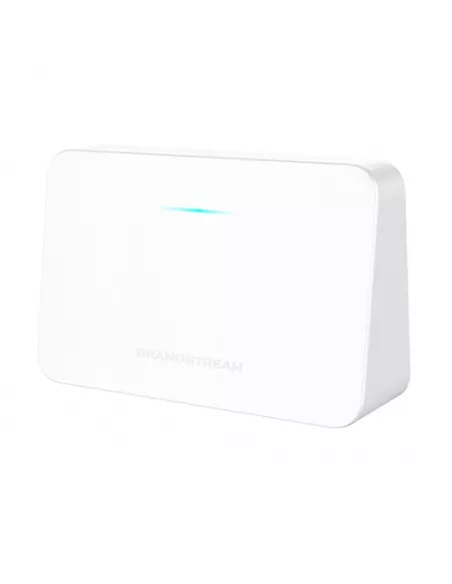
Grandstream GWN7062M AX3000 Wi‑Fi 6 Router
2.5GbE uplink with flexible Gigabit LAN/WAN switching
The Grandstream GR-GWN7062M is a dual-band AX3000 Wi‑Fi 6 router designed for high-throughput small business, home office and advanced residential deployments that need modern wireless performance plus practical wired flexibility. With one 2.5GbE Ethernet port, two dedicated Gigabit LAN ports and one configurable Gigabit LAN/WAN port, it suits sites where the internet handoff, core switch link and local client mix can change over time without forcing a hardware redesign.
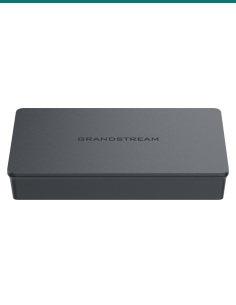
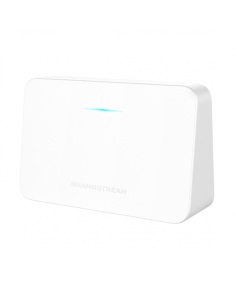
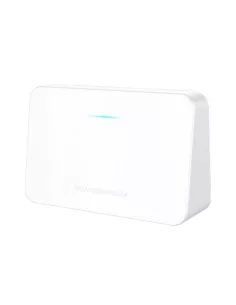
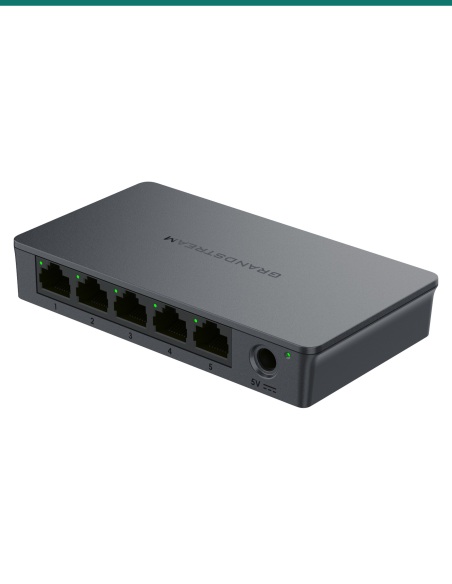
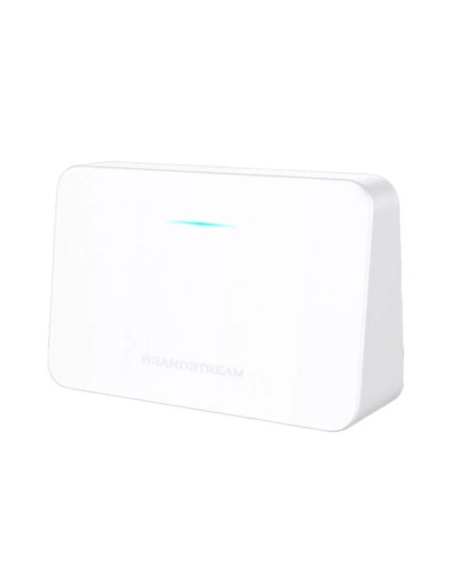
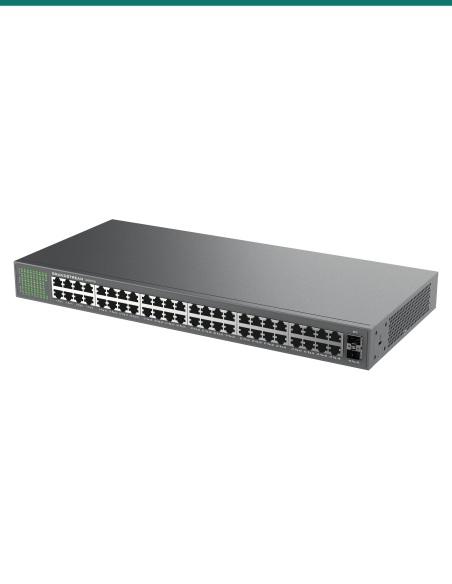
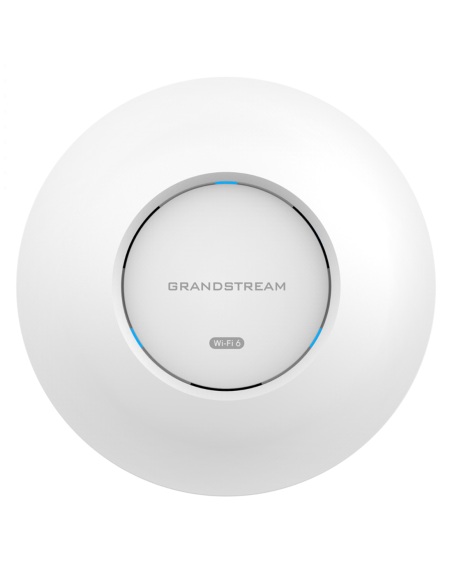
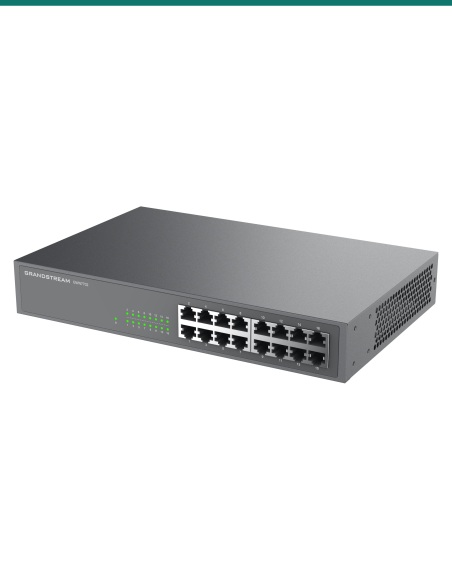
Product shot may differ from supplied regional packaging or hardware revision.
A practical Wi‑Fi 6 edge router for mixed-speed networks
Where many routers bottleneck at the WAN edge or force every copper link into the same speed tier, the GWN7062M gives installers a more useful mix: AX3000-class dual-band 802.11ax wireless for current phones, tablets, notebooks and IoT endpoints, plus a 2.5 Gigabit Ethernet port for faster internet services, upstream switching or NAS-style traffic paths. The extra configurable Gigabit LAN/WAN interface helps when the same model must be deployed across NBN, fibre, modem-bridge and multi-device office layouts.
For Australian resellers, integrators and business users, Infront Technologies Australia can supply the GWN7062M into broader network rollouts where router, switching, wireless and endpoint compatibility matter more than consumer-grade headline claims.
AX3000
Dual-band Wi‑Fi 6 class
2.5GbE
High-speed Ethernet port
3×
Additional Gigabit Ethernet interfaces
802.11ax
Current-generation Wi‑Fi standard
Throughput · 01
AX3000 wireless with a faster wired edge where it counts
The headline advantage here is not just that the router supports Wi‑Fi 6, but that it pairs dual-band 802.11ax with a 2.5 Gigabit Ethernet interface. That makes the unit more suitable for high-speed broadband services, uplinks into multi-gig capable switching, or scenarios where several wireless clients are active at once and the wired side should not become the first choke point. For offices running cloud backups, UC traffic, large file synchronisation or dense notebook usage, that extra port speed is materially more useful than a standard all-Gigabit layout.
AX3000 class wireless is appropriate for contemporary client populations that support 802.11ax efficiency improvements, including better scheduling and improved spectral use versus older generations. In practical deployment terms, that means more stable service under load, stronger support for concurrent users and better fit for mixed business/home environments where conferencing, browsing, mobile devices and smart peripherals all share the same airspace.
Port Layout · 02
More deployment freedom than a fixed consumer-style port map
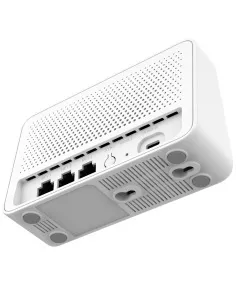
The GWN7062M includes one configurable Gigabit LAN/WAN port in addition to two dedicated Gigabit LAN ports and the 2.5GbE interface. That matters to installers because edge requirements vary: one site may need a standard WAN handoff plus three internal wired links, while another may use the 2.5GbE port for WAN and repurpose the configurable Gigabit interface to connect an access point, switch, printer VLAN edge or voice segment. The hardware is therefore easier to reuse across standardised rollouts.
For small branch environments, serviced offices and advanced residential work, this type of port flexibility reduces the number of compromises at cutover time. It also helps in migration scenarios, such as moving from a modem-based internet service to direct Ethernet handoff, or when adding a downstream switch later. Instead of treating the router as a disposable ISP accessory, the GWN7062M can be positioned as a proper network edge device with enough versatility to support staged upgrades.
Dual-band
2.4 GHz + 5 GHz Wi‑Fi
Use case
Branch office internet edge with modern Wi‑Fi and mixed-speed copper links
Best fit
SMB, home office, retail, consulting rooms, reception areas and advanced residential installs
Network role
Router, wireless edge, client aggregation and uplink handoff device
Deployment Logic · 03
Designed for real small-site topology changes, not just brochure speed claims
A router in this class is often selected because one device must cover several jobs at once: internet termination, local switching for a handful of wired devices, and wireless service for staff and guests. The GWN7062M’s combination of Wi‑Fi 6 radio support and mixed 2.5GbE/Gigabit physical interfaces makes it a sensible fit for exactly that role. It can sit between a high-speed service and local network while still offering enough copper connectivity for a switch, desktop, VoIP phone base, POS link or printer segment.
For procurement teams and installers, the key value is standardisation without overbuying. Sites that do not yet have multi-gig switching can still benefit from the 2.5GbE interface for WAN or future expansion, while current Gigabit-only endpoints remain fully supported. That extends useful service life and reduces early replacement pressure as carrier speeds and internal traffic loads increase.
How it works in a typical deployment
01
Connect the service
Use the appropriate WAN-facing interface based on the site design, with the 2.5GbE port especially useful where broadband or upstream switching exceeds 1Gbps.
02
Allocate local ports
Use the dedicated Gigabit LAN ports for fixed local devices and assign the configurable Gigabit LAN/WAN port according to handoff or expansion needs.
03
Serve Wi‑Fi 6 clients
Dual-band 802.11ax wireless connects current mobile and notebook endpoints, supporting higher client density and more efficient airtime use than legacy Wi‑Fi generations.
04
Scale without replacing
As service speeds or internal traffic rise, the 2.5GbE interface provides more headroom than an all-Gigabit router, helping maintain usefulness across future upgrades.
At a glance
BrandGrandstream
ModelGWN7062M
Product referenceGR-GWN7062M
Device typeWi‑Fi 6 router
Wi‑Fi classAX3000
Wireless standard802.11ax
BandsDual-band
2.5GbE ports1
Gigabit LAN ports2
Gigabit LAN/WAN ports1 configurable
Jargon, decoded
AX3000
A Wi‑Fi performance class label for dual-band wireless products, indicating aggregate theoretical throughput rather than a single-port wired speed.
Wi‑Fi 6
The common name for 802.11ax, designed for better efficiency, concurrency and performance in busy wireless environments.
802.11ax
The IEEE wireless standard used by Wi‑Fi 6 devices, improving airtime management compared with older 802.11ac and 802.11n equipment.
Dual-band
Supports both 2.4GHz and 5GHz operation, balancing range-sensitive legacy devices and higher-throughput modern clients.
2.5GbE
An Ethernet interface faster than standard Gigabit, useful for high-speed WAN links, uplinks to switches or local traffic paths with more bandwidth demand.
Gigabit Ethernet
1000Mbps copper Ethernet, still the baseline speed for many wired endpoints such as desktops, printers, phones and access devices.
LAN/WAN port
A configurable Ethernet port that can be assigned either to the internal local network or to the external service/provider side.
Uplink
The connection from this router to an upstream service or switch. Uplink capacity strongly affects total site throughput under load.
Client density
The number of active devices sharing the wireless network at one time. Higher density benefits from newer Wi‑Fi standards and better radio scheduling.
Dimensions
Physical dimensions were not verified from the supplied source context. For rack planning, shelf placement, cable bend clearance and enclosure sizing, confirm the current hardware revision measurements from the manufacturer before final documentation or cabinet layout.
Pairings
Switch
Gigabit or multi-gig access switch
Adds more wired ports for desktops, IP phones, printers, NVRs or downstream access points while using the router as the site edge.
Wireless Expansion
Additional business access points
Useful when the router handles internet and gateway duties but larger floorplans require extra radio coverage or higher concurrent user capacity.
Endpoint
VoIP phones and UC devices
Suitable companion devices in small offices where voice, conferencing and cloud productivity traffic share the same local network edge.
Storage / Service
NAS or high-speed internet service
The 2.5GbE port is particularly relevant where upstream service speed or local shared storage traffic would otherwise saturate a 1GbE edge.
FAQ
Is this router suitable for business use, or is it mainly for home deployment?
It is suitable for both home and business network deployment, with the port flexibility and Wi‑Fi 6 capability making it especially practical for small office, branch and home-office scenarios.
What is the advantage of the 2.5GbE port?
A 2.5GbE interface provides more headroom than standard Gigabit Ethernet. It is useful for faster WAN services, uplinks to capable switches, or local traffic patterns that can exceed 1Gbps aggregate demand.
How many wired devices can be connected directly?
The verified port layout includes one 2.5GbE port, two Gigabit LAN ports and one configurable Gigabit LAN/WAN port. How many local devices are connected directly depends on whether that configurable port is assigned to LAN or WAN duty.
Does AX3000 mean the Ethernet ports run at 3000Mbps?
No. AX3000 is a wireless class rating, not the speed of a single wired port. Wired performance is determined by the Ethernet interfaces, which here are one 2.5GbE and three Gigabit-class ports including the configurable LAN/WAN connection.
Can this be used where internet handoff requirements may change later?
Yes. The configurable Gigabit LAN/WAN port gives additional flexibility for environments that may move between modem-based, Ethernet WAN or revised local port allocation requirements.
Should I still add a switch if I have several wired endpoints?
Usually yes. Routers in this class are ideal as the network edge, but a dedicated switch is the cleaner approach once you need multiple wired clients, PoE devices or structured segmentation downstream.
Confirm final power, regulatory, security and installation requirements from current Grandstream documentation before deployment in production, regulated or safety-sensitive environments.