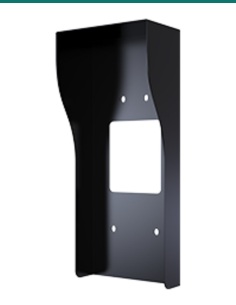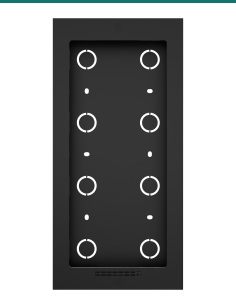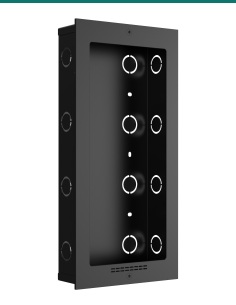
- New
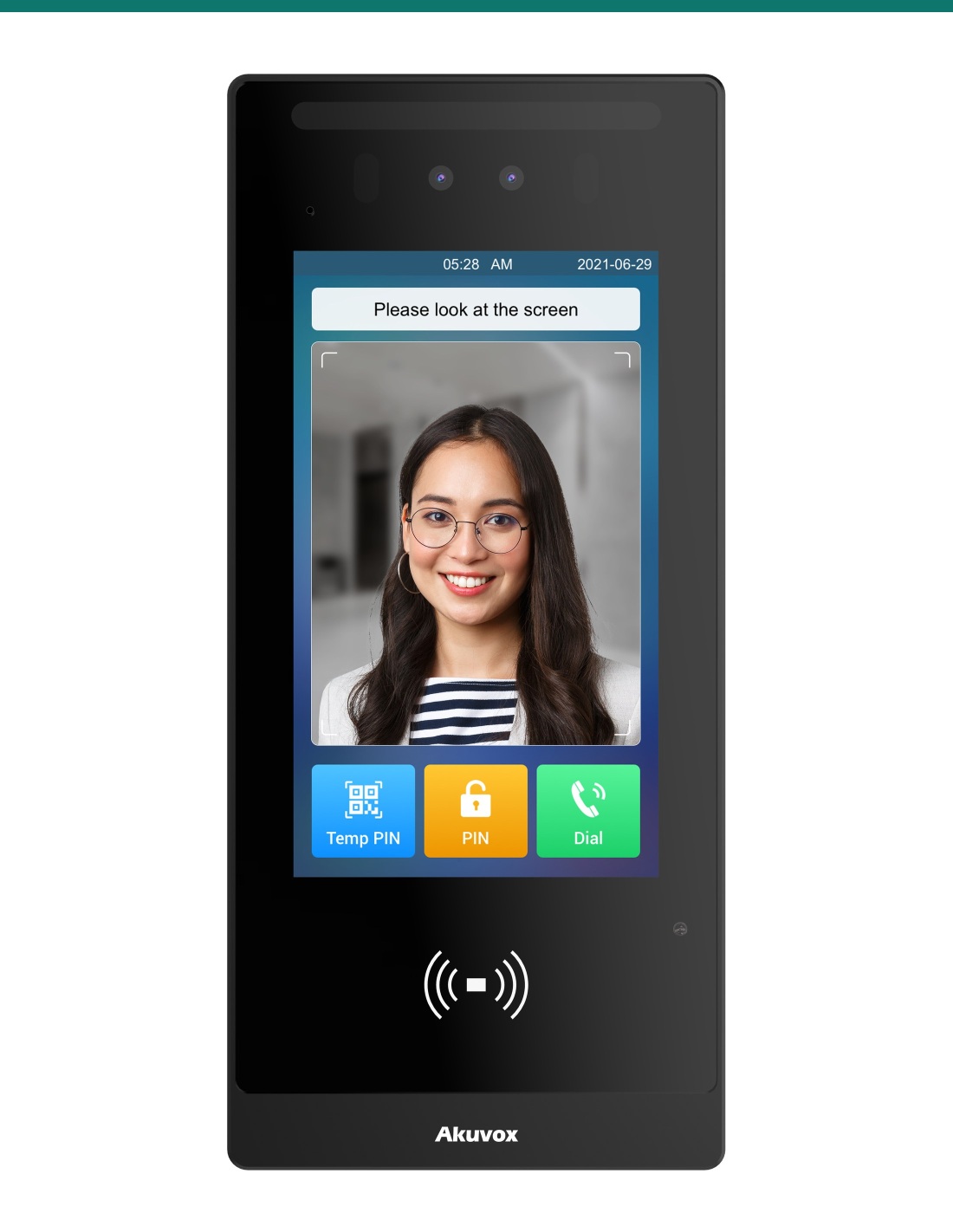
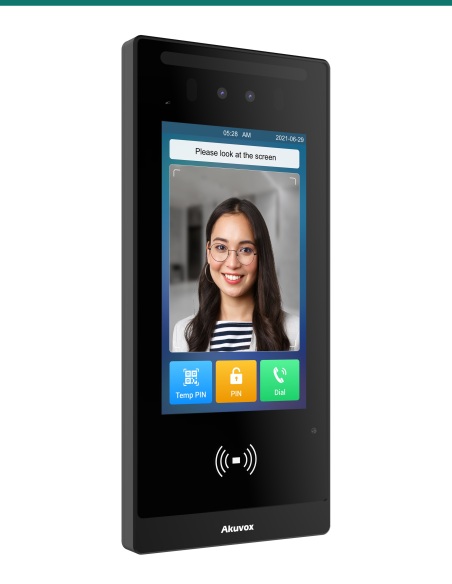
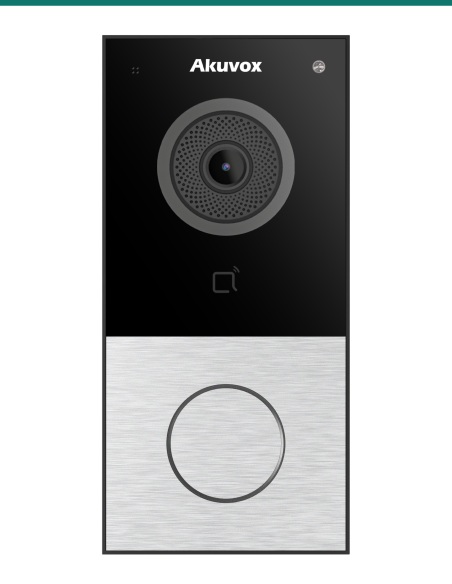
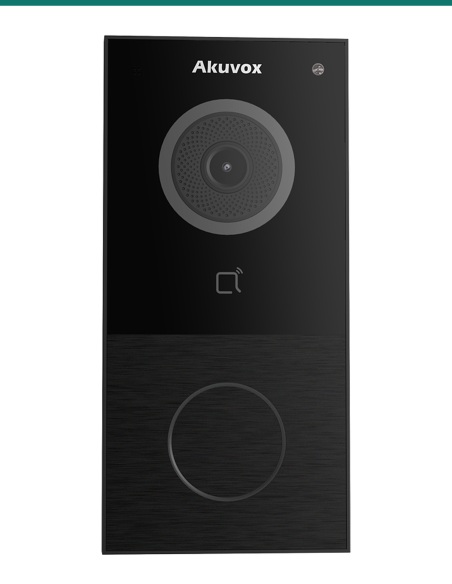
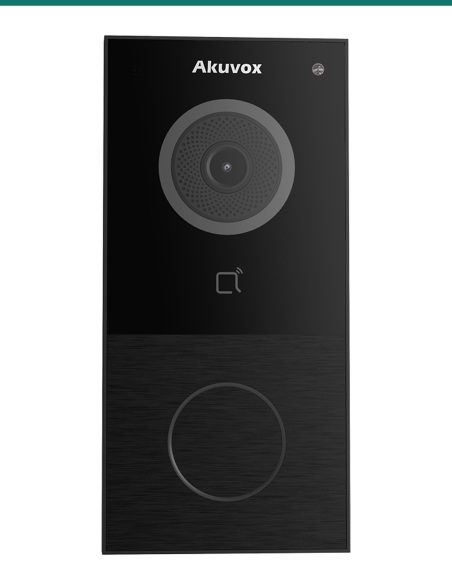
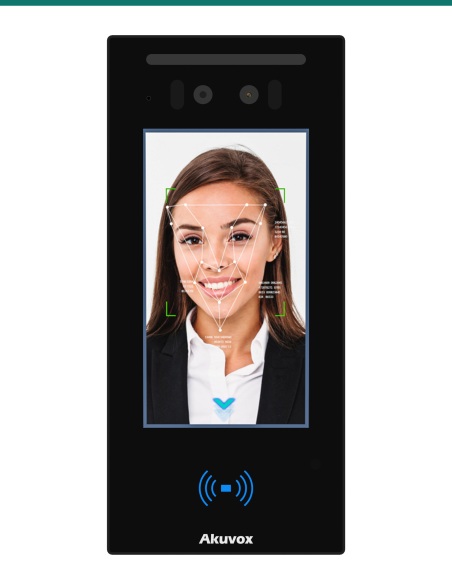
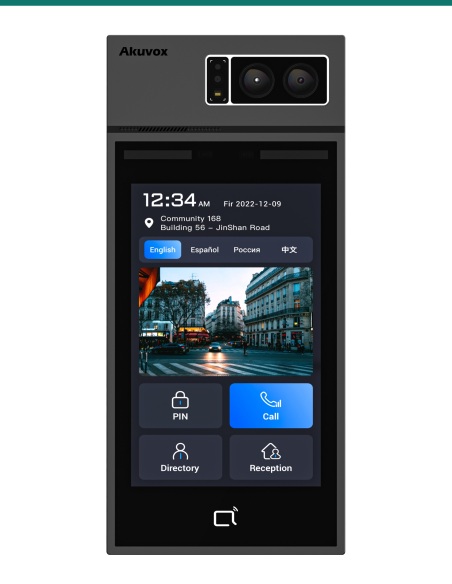
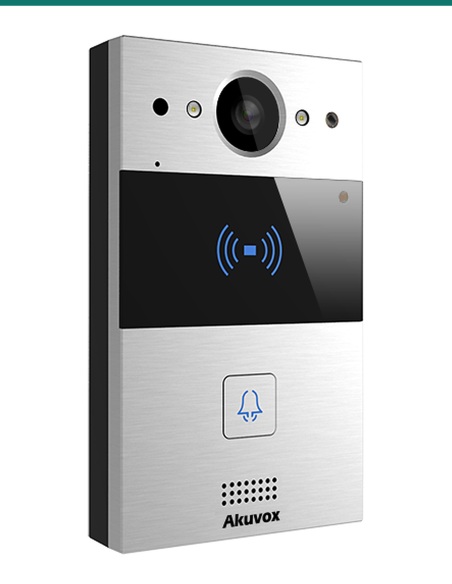
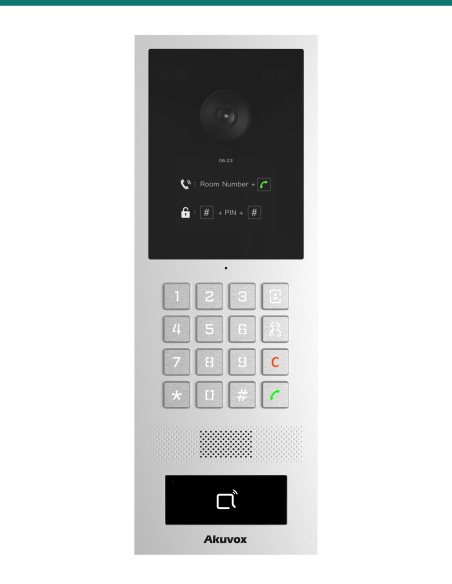
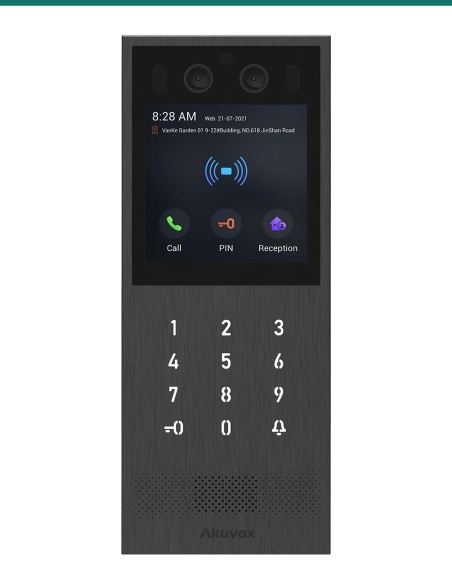
Akuvox SIP door phone with facial recognition — AK-E18C
SIP DOOR PHONE WITH FACIAL RECOGNITION
Akuvox E18C — SIP video intercom / access hardware.
- ✓Akuvox E18C OEM model
- ✓SIP-compatible residential & commercial use
- ✓Australian stock — Infront Technologies
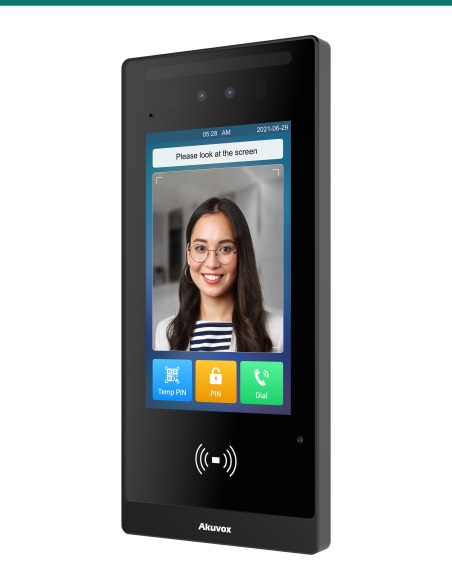
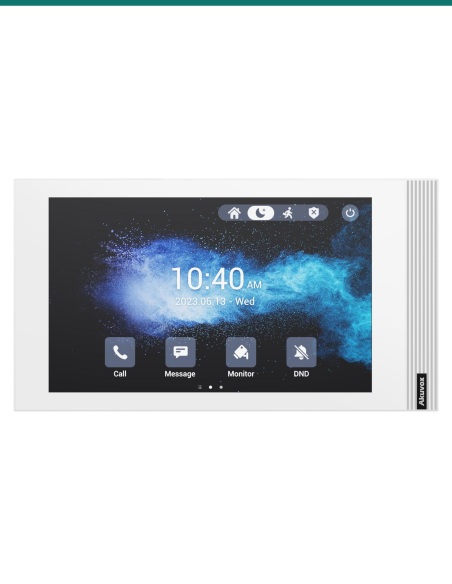
Akuvox AK-E18C SIP Door Phone
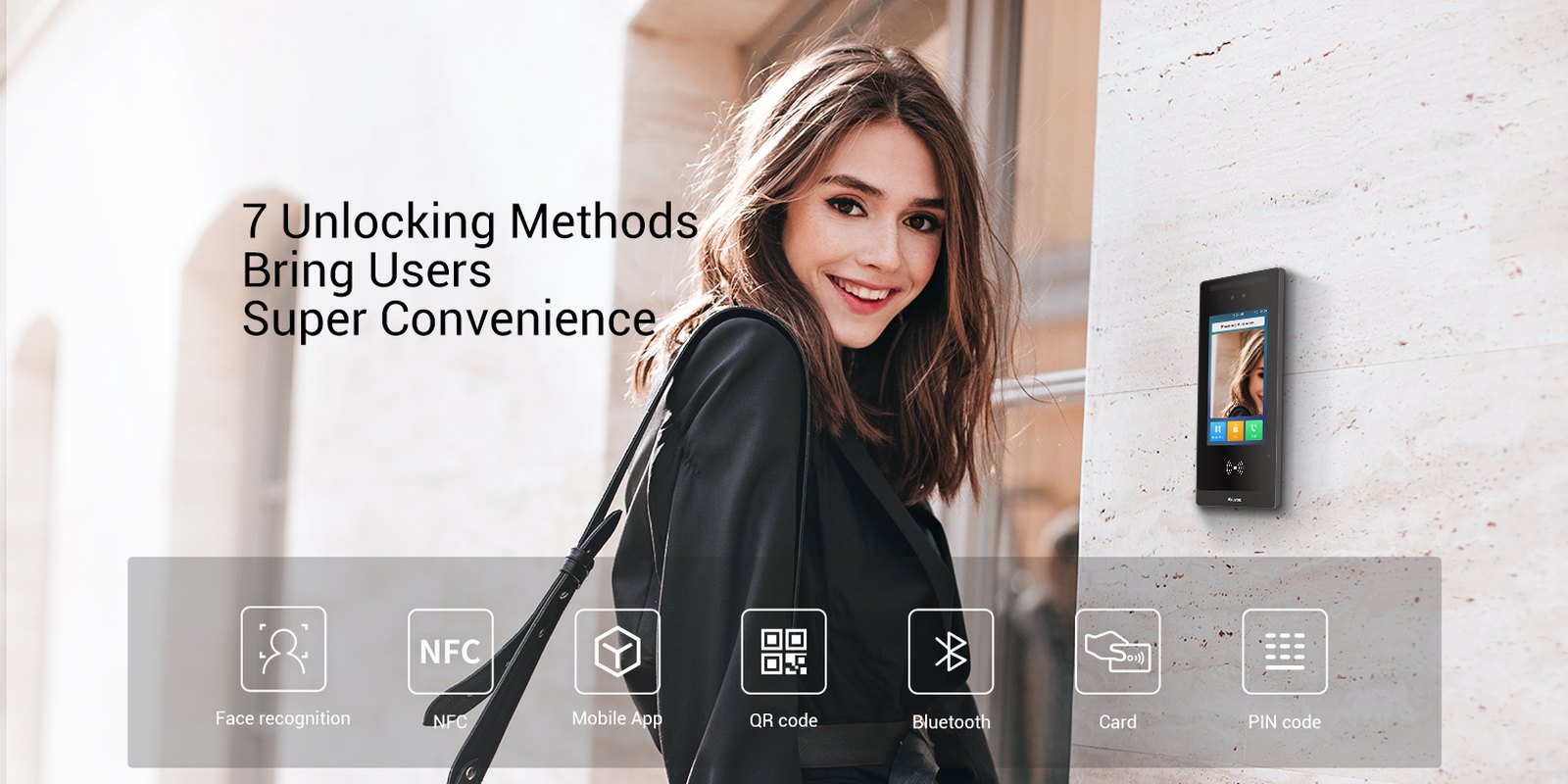
Facial recognition access with RFID, Bluetooth and PIN
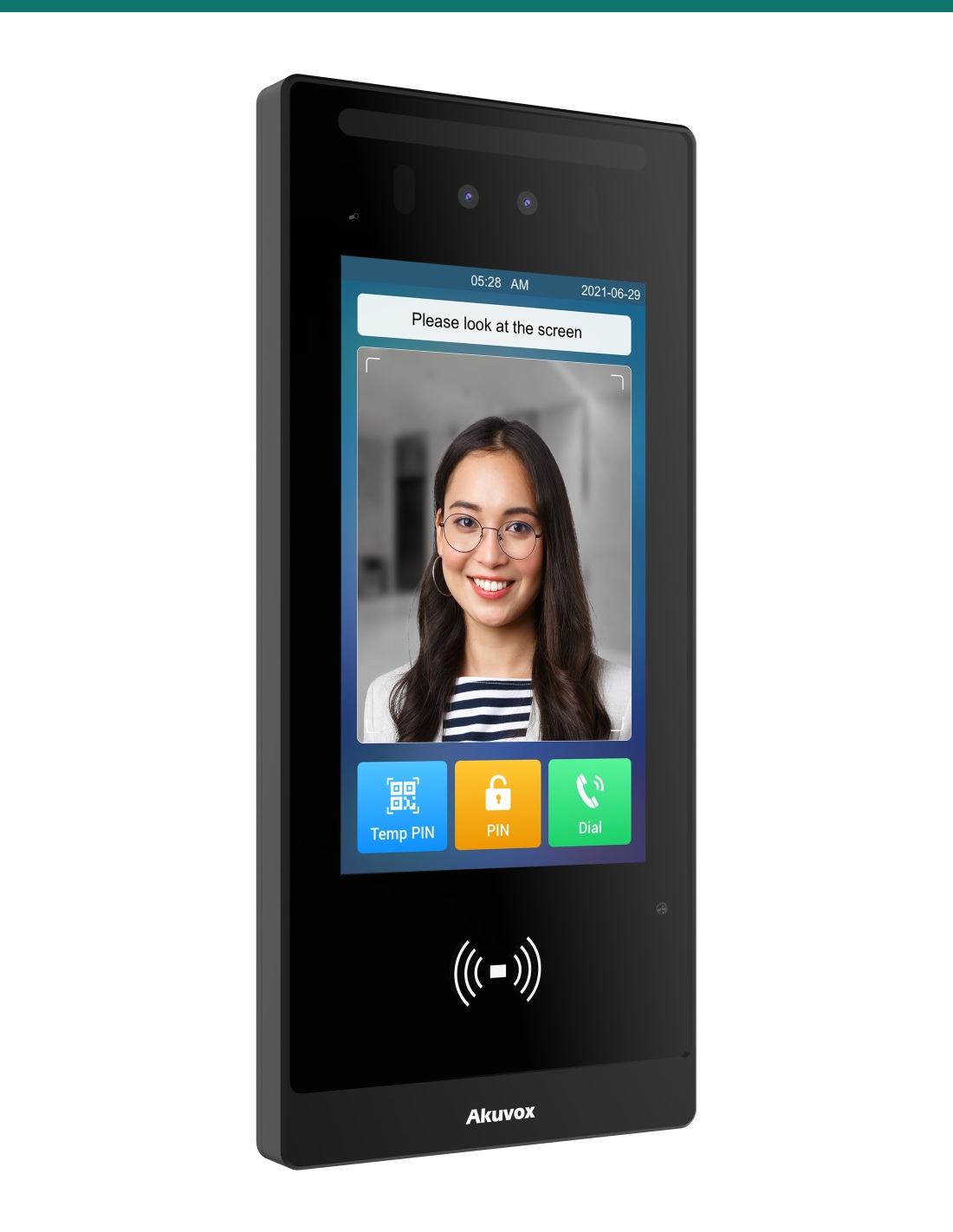
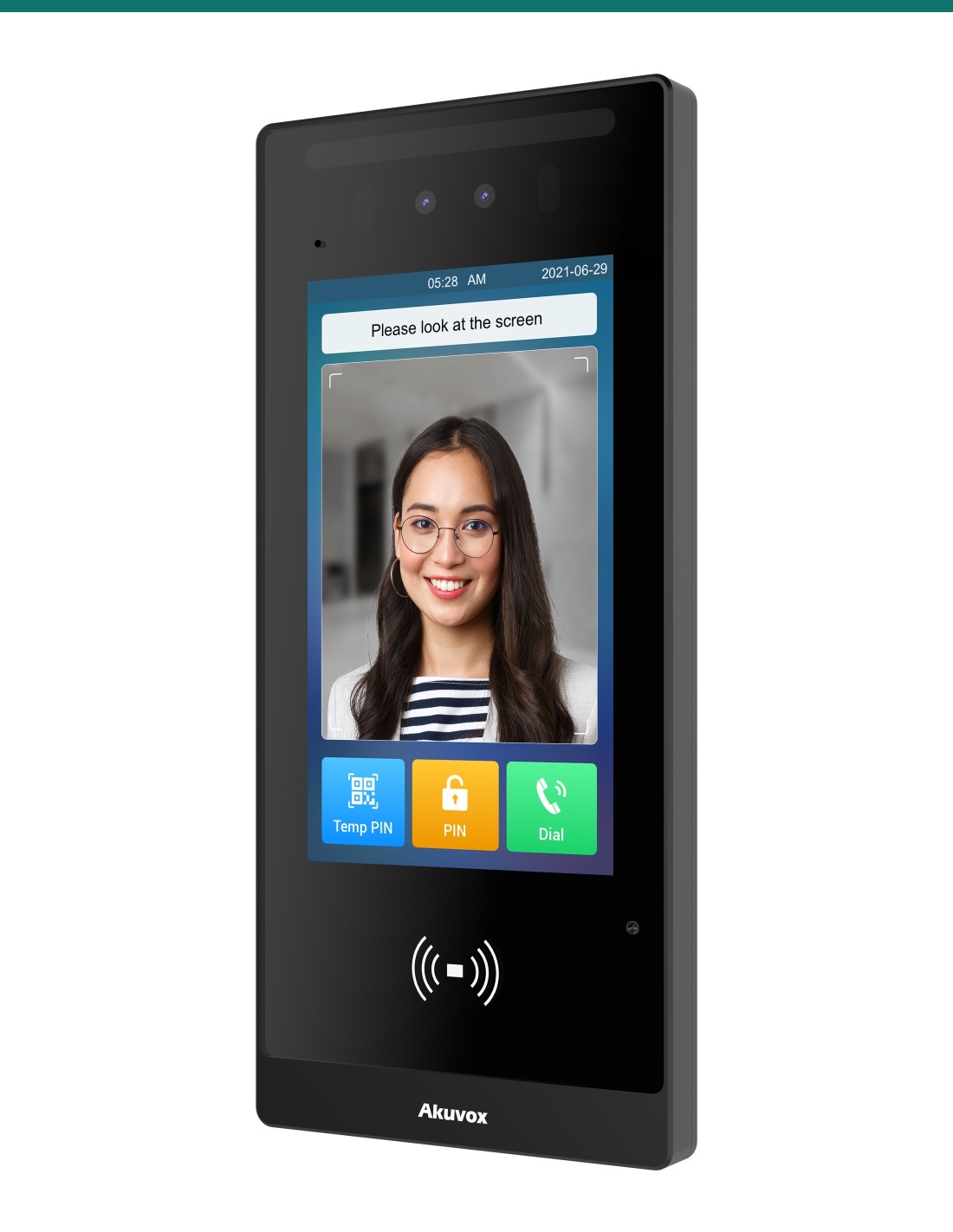
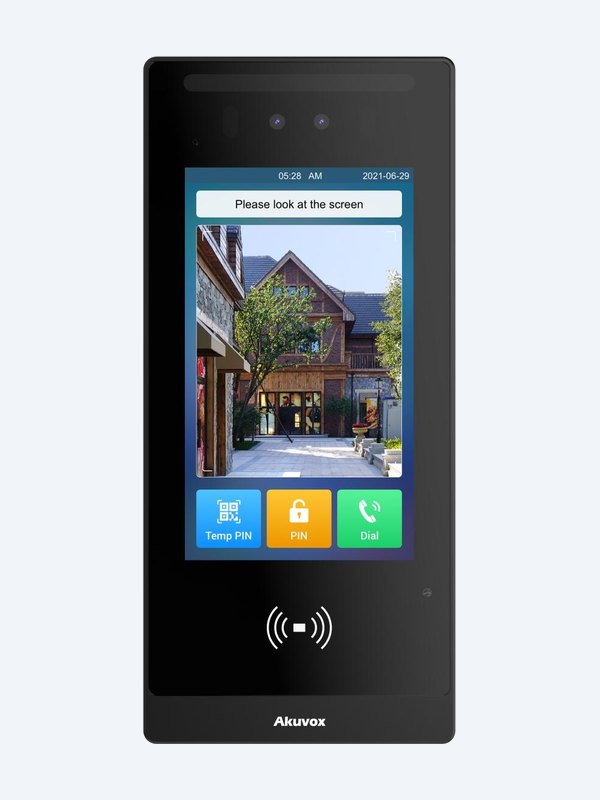
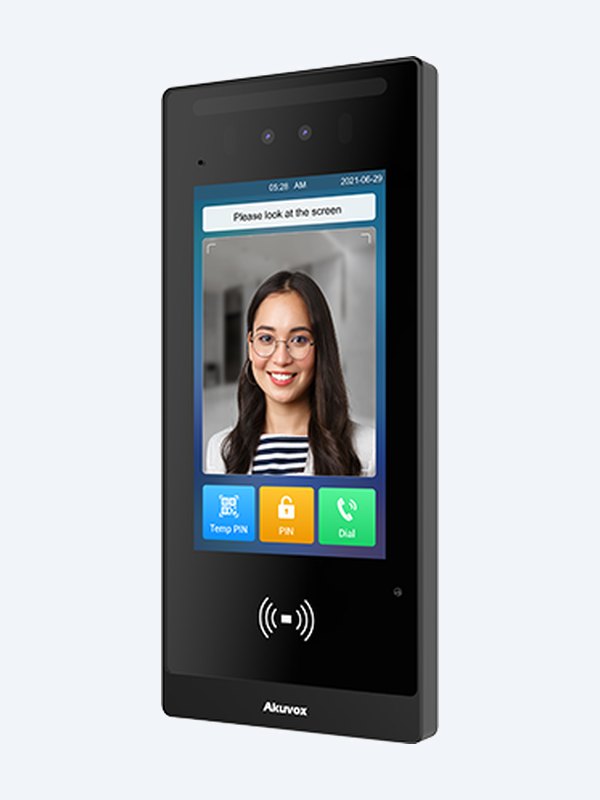
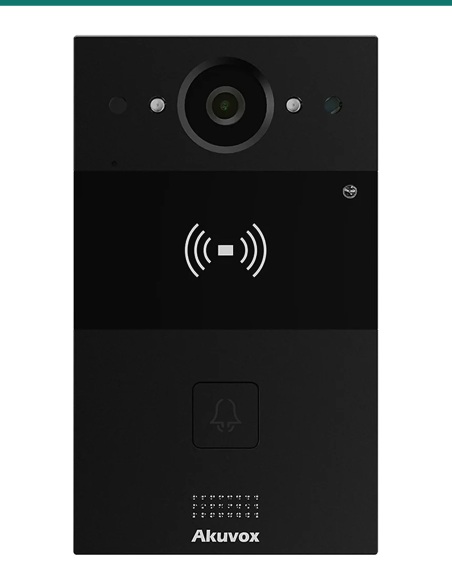
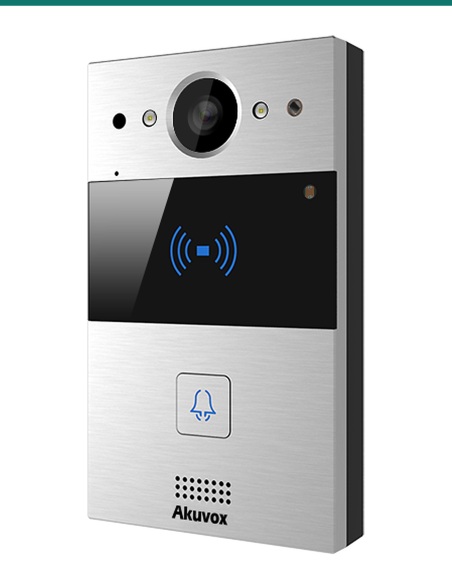
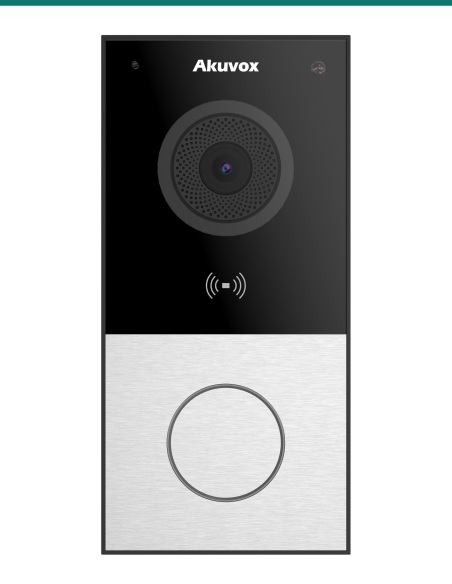
The Akuvox AK-E18C is a smart SIP-based door phone and access terminal designed for secure entry at apartments, offices, gated sites and managed buildings. It brings together face recognition, RFID credential support, Bluetooth unlocking, PIN access and IP intercom functionality in a single wall-mounted unit, giving installers a flexible front-end for both communication and controlled entry.
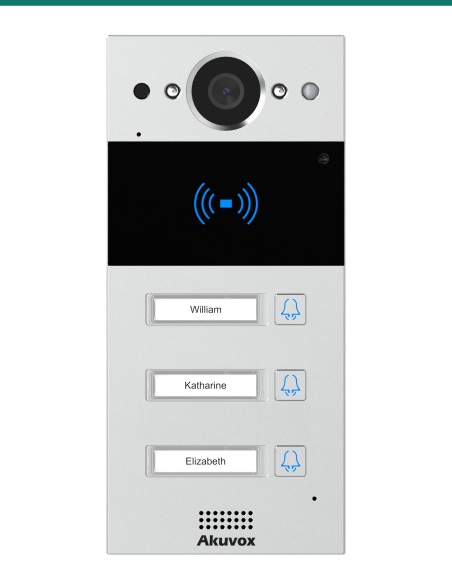
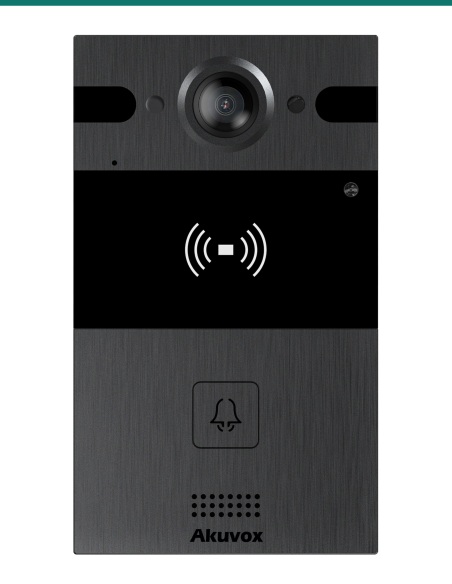
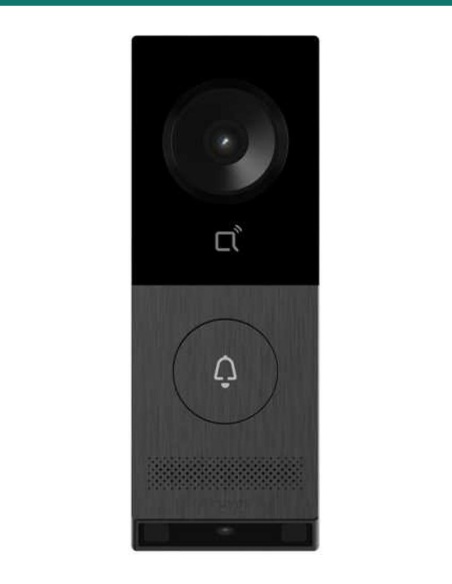
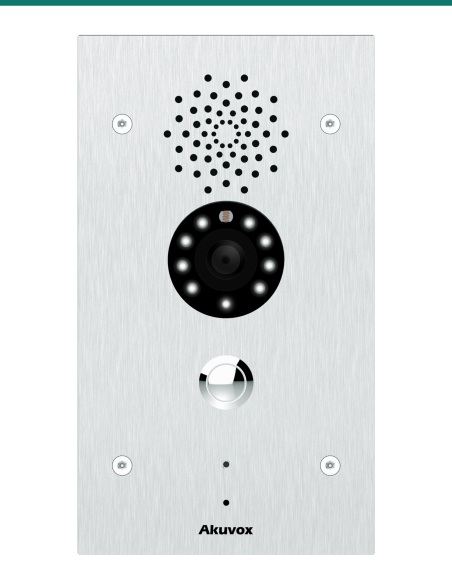
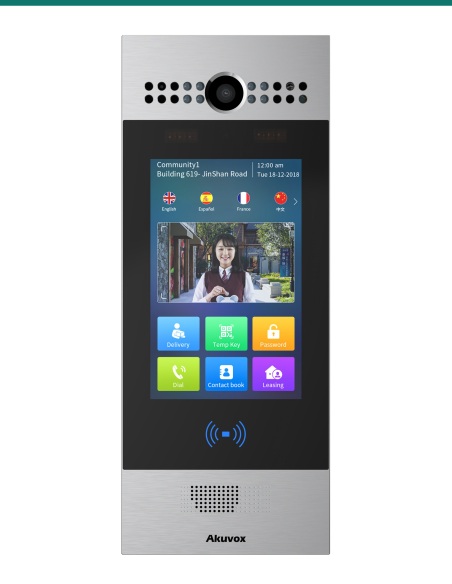
Product appearance and installed configuration may vary depending on firmware version, mounting method and site setup.
One entry panel, multiple authentication paths
For sites that need more than a simple call button, the AK-E18C gives residents, staff and approved visitors several practical ways to unlock a door. Facial recognition can speed up hands-free entry, RFID cards support traditional credential workflows, Bluetooth adds mobile convenience, and PIN entry provides a fallback method where cards or phones are not used. Because the unit also operates as a SIP intercom, it can fit into VoIP-based door communication systems rather than remaining an isolated access device.
For Australian integrators and installers, that means a neater deployment at the door: one IP endpoint for call handling, one visible reader/interface for users, and one platform component that can be incorporated into wider apartment, office or gated access projects. Infront Technologies Australia can support product selection and supply for intercom and access control deployments where SIP integration and modern credential options are required.
Face recognition at the door, backed by conventional credentials
The defining feature of the AK-E18C is facial recognition unlock. In practical terms, this lets a site use contact-minimised access at the entry point while still keeping familiar fallback options available. For multi-user environments, that matters: users do not all behave the same way, and access control systems are easier to adopt when one panel can support fast biometric identification alongside card-present and code-based workflows.
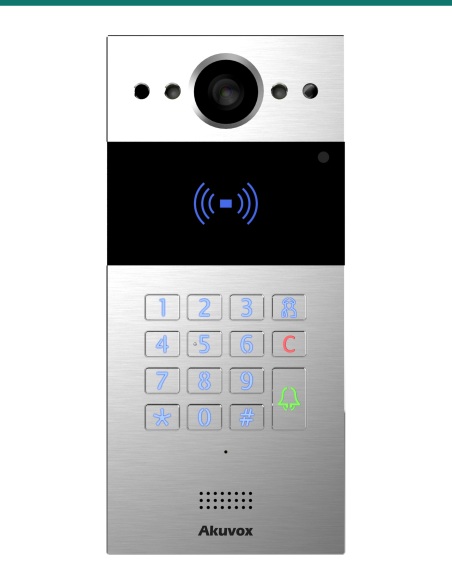
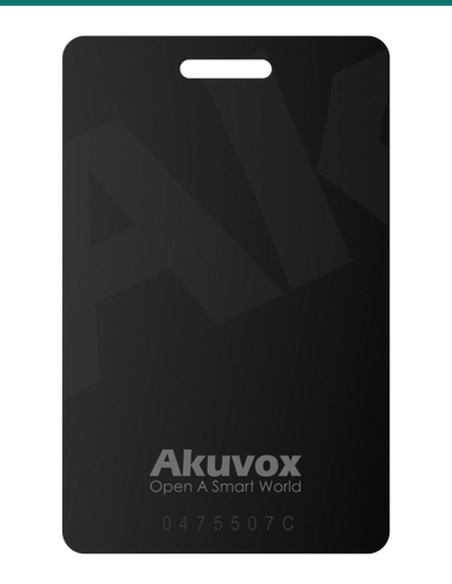
Akuvox also lists RFID card access, Bluetooth unlocking and PIN entry, so the unit can serve a broader credential mix without requiring separate readers mounted beside the intercom. This is useful in apartment lobbies, small commercial tenancies, side gates, managed offices and common-area doors where aesthetics, wall space and wiring discipline all count. Instead of forcing a single unlock method, the AK-E18C is positioned as a unified access point that can accommodate varying user permissions and operating preferences.
SIP-based intercom operation for networked door entry systems
Beyond access credentials, the AK-E18C is also a SIP door phone. That means it is designed to operate within IP intercom environments that use SIP for call setup and communication, allowing the door station to be treated more like a network endpoint than a standalone analogue visitor panel. For integrators already working with SIP-capable indoor monitors, PBX environments or VoIP-oriented building systems, this can simplify architecture and reduce reliance on proprietary voice pathways.
In real installations, SIP support is relevant where a user needs to call through from the entrance to an internal station, desk, apartment monitor or other authorised endpoint before granting access. It also helps standardise deployments across mixed-use buildings where intercom traffic and access events need to fit into a broader IP framework. The result is a front-door device that handles both visitor communication and controlled entry rather than splitting those functions across multiple housings.
Built for modern entrances where access control and intercom overlap
The AK-E18C makes sense where a site wants one visible interface at the doorway rather than separate call panels, keypad modules and external credential readers. By combining smart entry functions with SIP communication, the unit is well suited to entrances where visitors need to call in, staff need repeatable day-to-day access, and tenants or residents expect a more convenient unlock experience than carrying only physical keys.
For installers, that can reduce device clutter at the wall and help create cleaner project scopes for small to mid-sized IP access deployments. It is especially relevant at pedestrian gates, main lobby entries, tenancy doors, internal secured zones and mixed-use sites where user groups differ. The ability to support biometric, card, mobile and PIN access from the same front-end gives system designers more room to balance convenience, security policy and user onboarding without changing the visible hardware at the door.
How it works on site
A typical deployment follows a straightforward sequence: identify the user, establish communication if needed, validate the unlock request and release the door through the connected access system.
User presents credentials
The visitor or authorised user interacts with the panel using facial recognition, an RFID card, Bluetooth on a supported mobile workflow, or a PIN code.
SIP call path engages
If entry requires approval, the door station can initiate SIP-based communication to the relevant indoor monitor, reception point or authorised endpoint.
Access rule is checked
The selected credential or remote release request is validated according to the programmed permissions, user records and site access logic.
Door unlocks
Once authorised, the connected lock or door release circuit is triggered, completing the entry event through the integrated access/intercom workflow.
At a glance
Jargon, decoded
Session Initiation Protocol, commonly used to establish voice or intercom calls over IP networks.
A biometric method that identifies a user by comparing facial features against enrolled templates.
Radio-frequency identification; in access control, usually a card or tag presented to a reader for entry.
Door release initiated via a compatible mobile device using short-range wireless communication.
A programmed personal identification number used as a keypad or code-based authentication method.
Any approved form of authentication used to request entry, such as a face template, card, phone or code.
The signal sent to an electric strike, lock or controller to momentarily unlock the secured door.
An intercom system that sends audio, control and related traffic across an Ethernet or TCP/IP network.
The process of adding an authorised user and their credential data into the system before access is allowed.
The rules that decide who can open a door, by which method, and at what times or conditions.
Dimensions
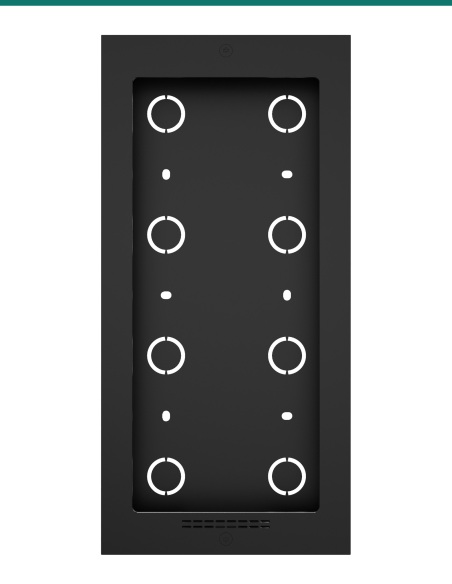
Published dimensions were not provided in the supplied product context, so final cut-out, backbox, surface projection and mounting height should be confirmed from the official Akuvox installation documentation before rough-in or façade penetration works begin.
This is particularly important where the panel is being fitted to masonry piers, narrow gate posts, rendered façades or retrofit intercom positions with limited cable cavity depth.
Pairings
Indoor SIP stations
Pair with compatible Akuvox or SIP-capable indoor monitors where occupants need to answer door calls and trigger remote release.
Electric locks and strikes
Integrate with appropriately specified electric strikes, magnetic locks or controlled door hardware matched to the site’s egress and compliance requirements.
Managed IP switching
Use with a stable LAN infrastructure and suitable switching to support SIP communication, device management and any linked building endpoints.
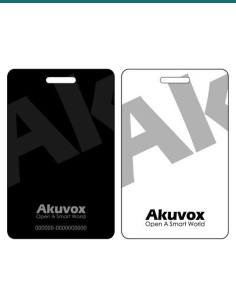
RFID cards and user provisioning
Best deployed with a planned credential issue process covering card assignment, face enrollment, mobile access permissions and PIN management.
FAQ
Can the AK-E18C be used as both an intercom and an access device?
Yes. The supplied product information identifies it as a SIP door phone for communication and an access control device supporting facial recognition, RFID, Bluetooth and PIN-based unlocking.
What unlock methods are supported?
Verified methods from the provided context are facial recognition, RFID card access, Bluetooth unlock support and PIN code entry.
Is this suitable for apartment and office entry points?
Yes, those are strong fit scenarios. A SIP door station with multiple credential options is particularly useful for apartments, offices, managed buildings and gated pedestrian access points.
Does Bluetooth replace RFID or PIN access?
No. Bluetooth is an additional supported unlock method, not a replacement. The value of the AK-E18C is that several authentication methods can coexist on one door station.
Why is SIP important on a door phone?
SIP allows the door station to integrate into IP intercom or VoIP-oriented systems, making it easier to connect calls from the entrance to compatible internal endpoints over the network.
Should installers confirm wiring and mounting before purchase?
Absolutely. While the product role and access methods are clear, site design should still confirm power, network topology, lock interface method, mounting conditions and any compliance obligations before installation.
Installer note: confirm door hardware compatibility, local egress requirements, power/network provision and biometric/privacy obligations before commissioning facial recognition or lock release functions.
- AI
- We will add a note at the bottom of the message form to inform you that you can email us at [email protected] to raise objections at any time.
- Cat
- We will add a note at the bottom of the message form to inform you that you can email us at [email protected] to submit a request to modify/withdraw your consent at any time.
- Signal-to-Noise Ratio
- You have the right to know the situation of your business contact information that we collect and the way we process it.
- Provide
- We will provide specific data information and processing methods in the form of data records.
- Access
- We will add a note at the bottom of the message form to inform you that you can email us at [email protected] to submit requests for access/correction and/or erasure at any time.