- New
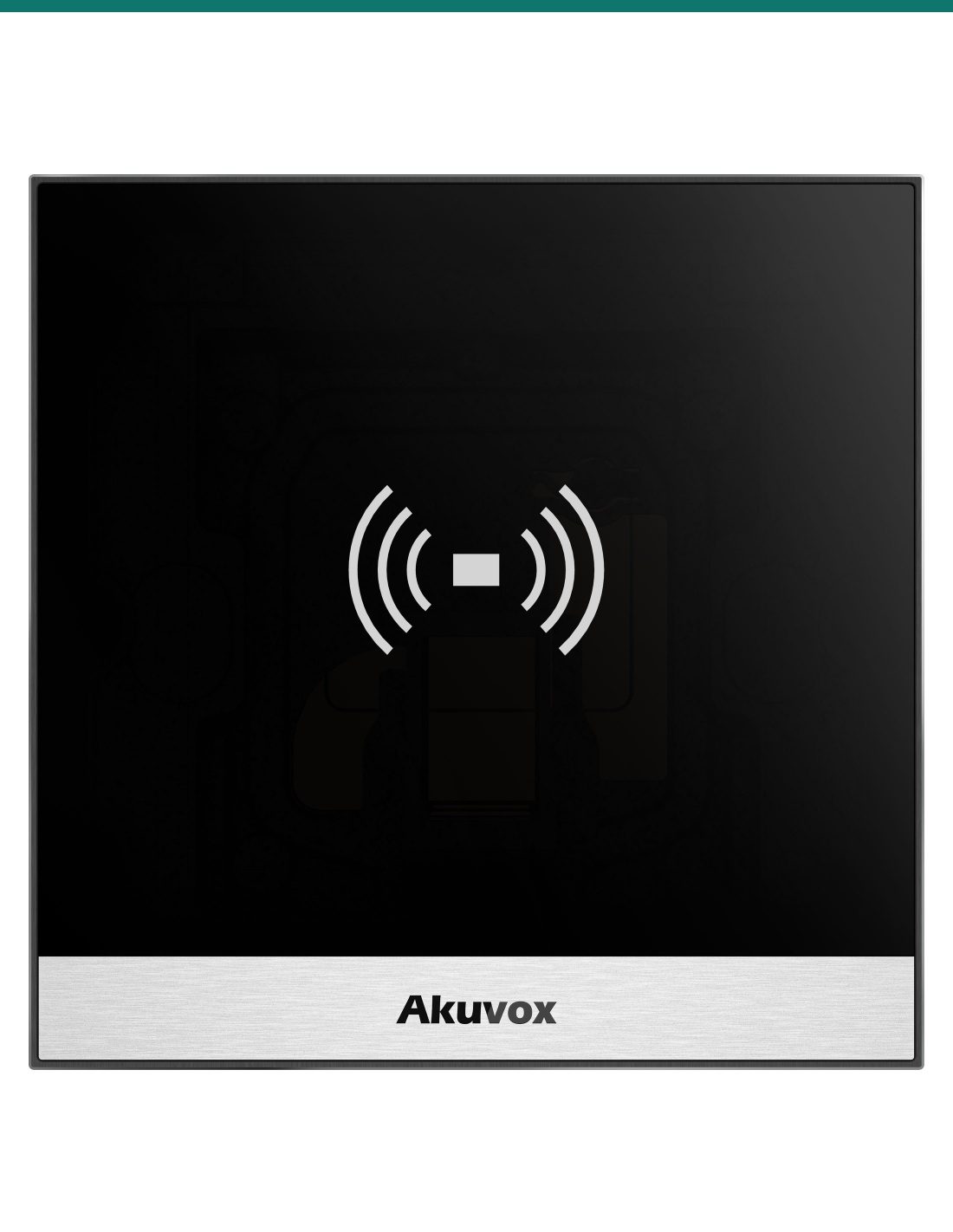
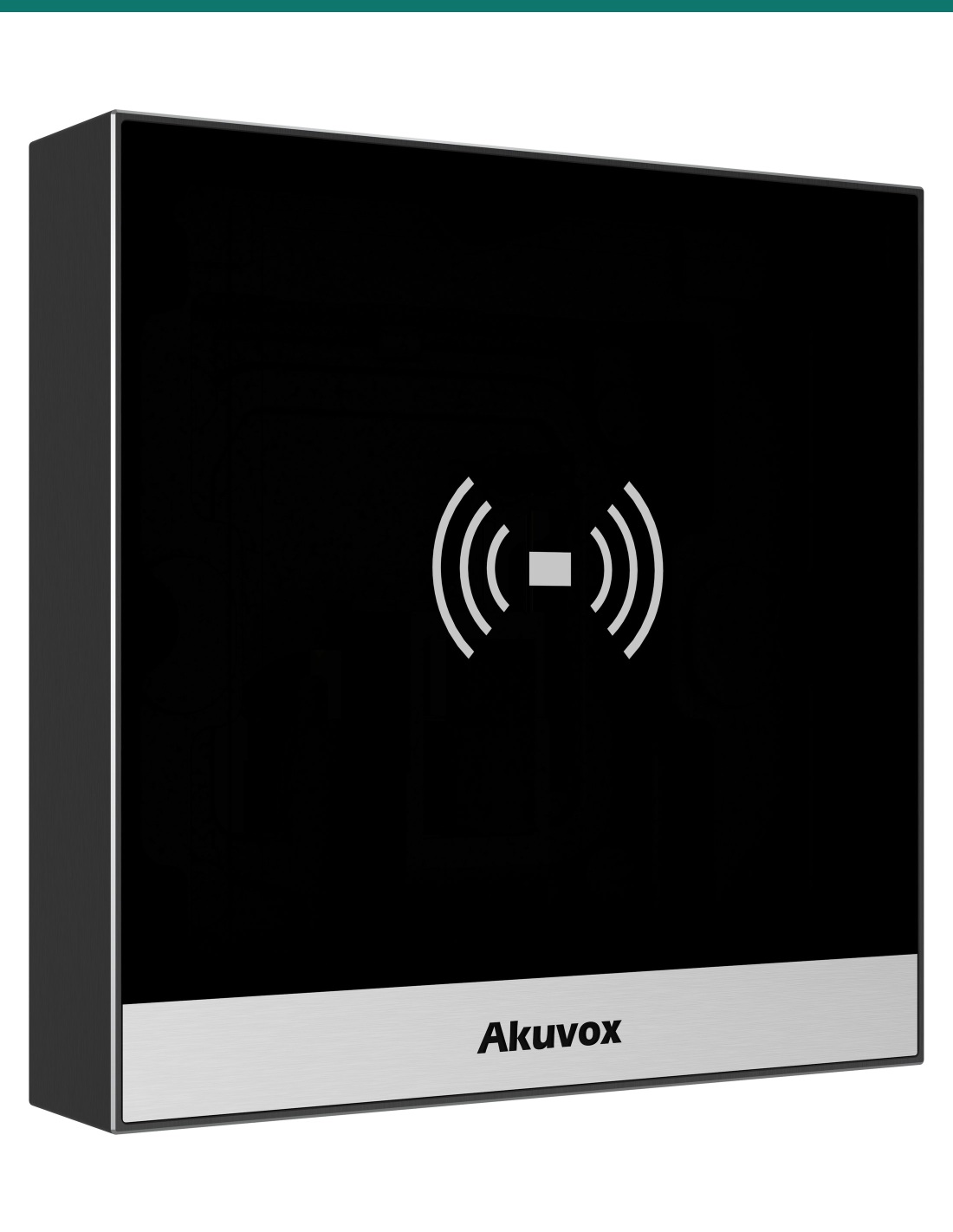
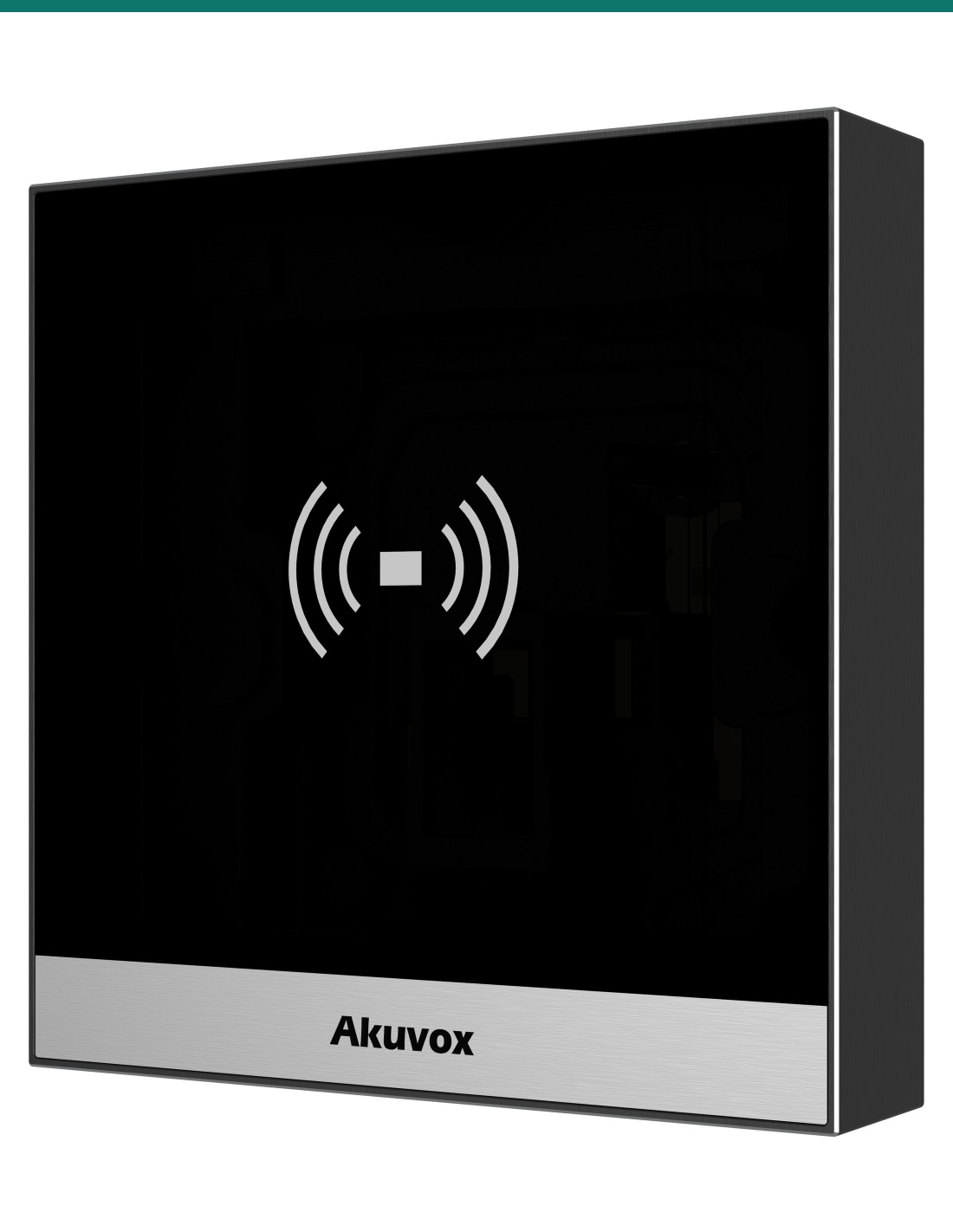
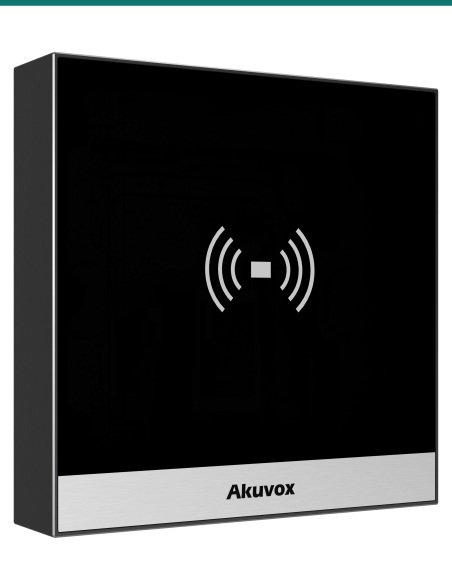
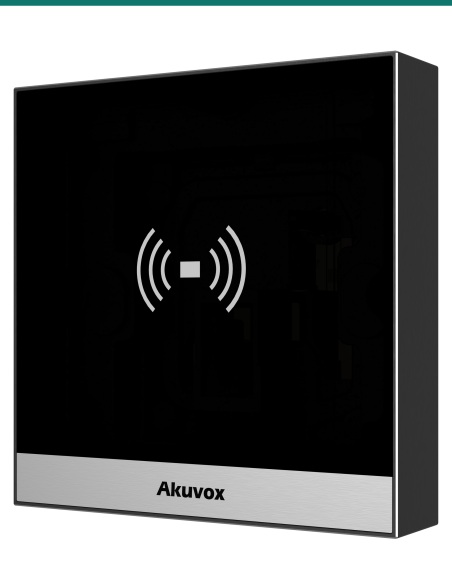
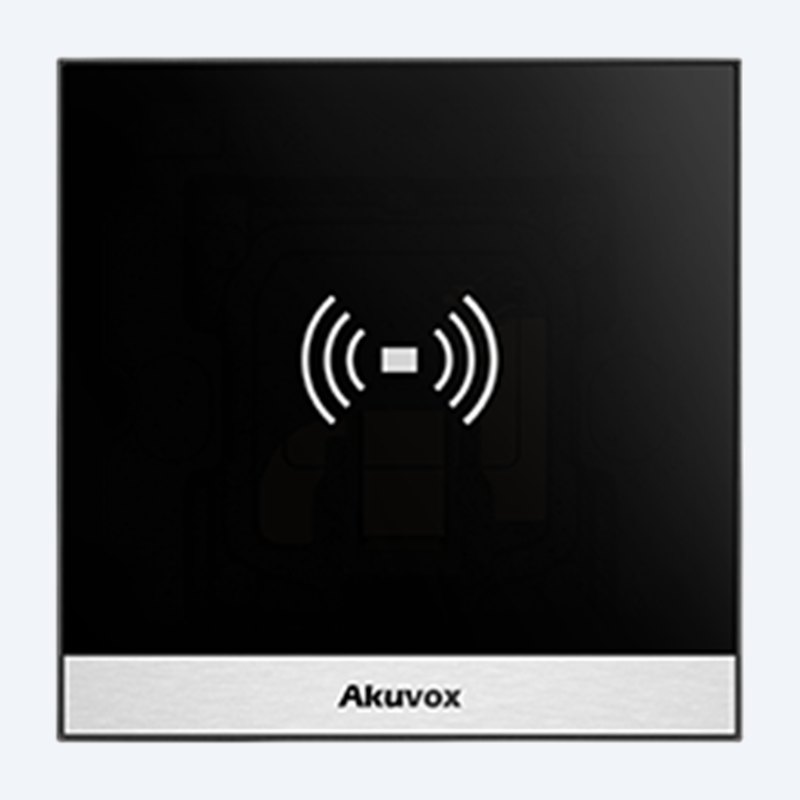
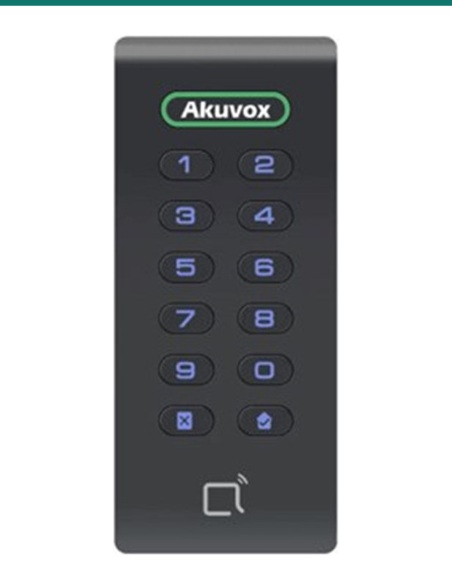
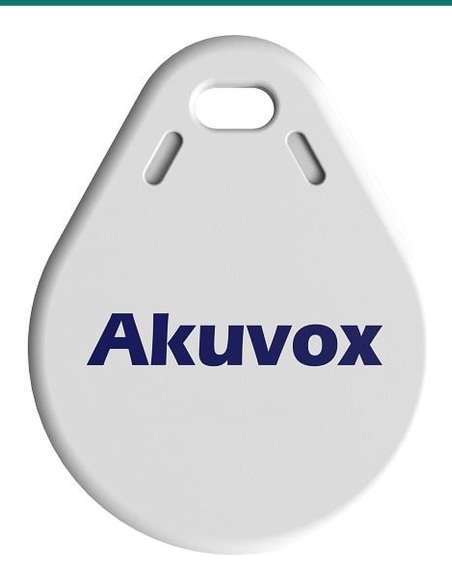
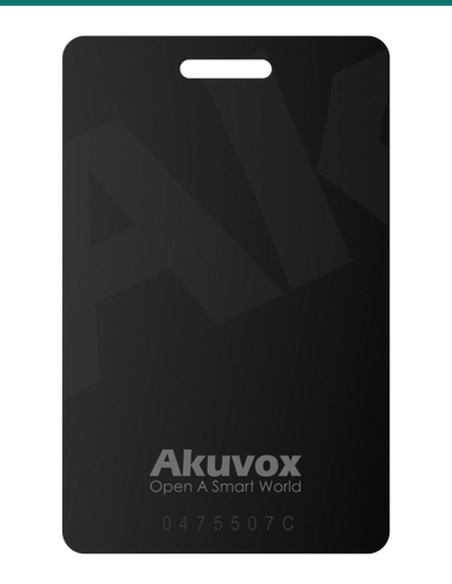
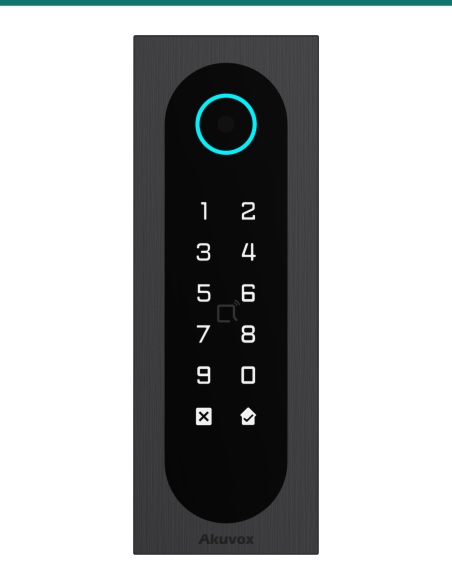
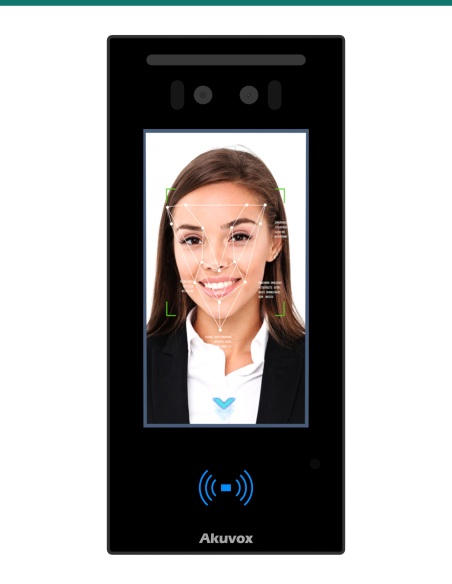
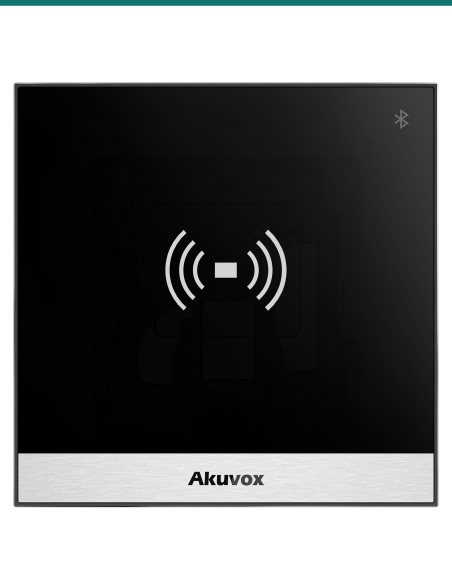
Akuvox AK-A01 RFID Access Terminal
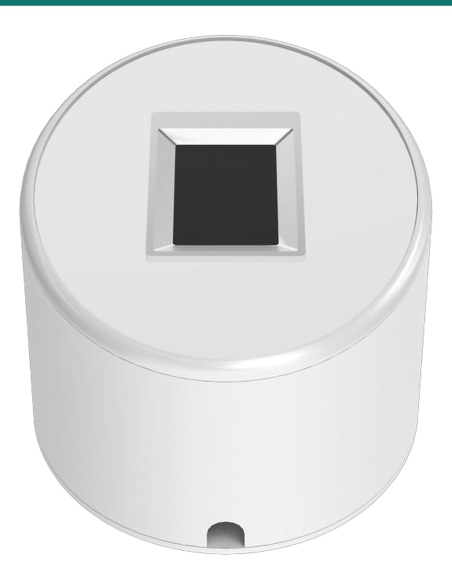
Reader unit for door entry integration
The Akuvox AK-A01 is an RFID access control terminal designed for door entry applications where credential-based access needs to be added at the perimeter. Source-verified details confirm the model designation, Akuvox branding, RFID reader format and intended use as an access terminal for entry systems. Where the manufacturer specification is not publicly supplied, this page stays conservative and focuses on the confirmed role of the unit within an access control deployment.
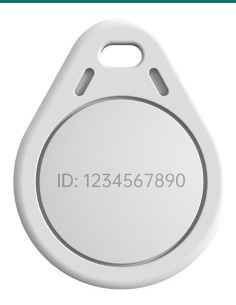
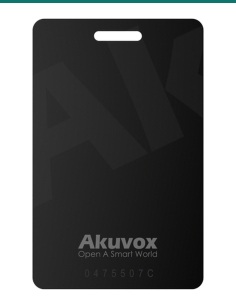
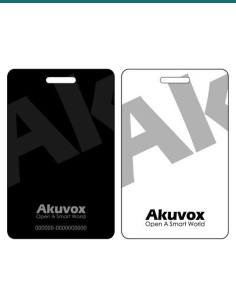
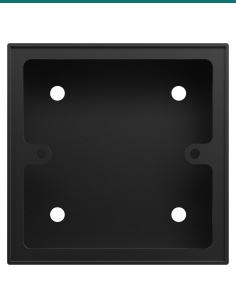
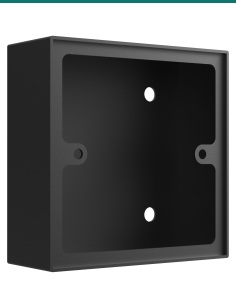
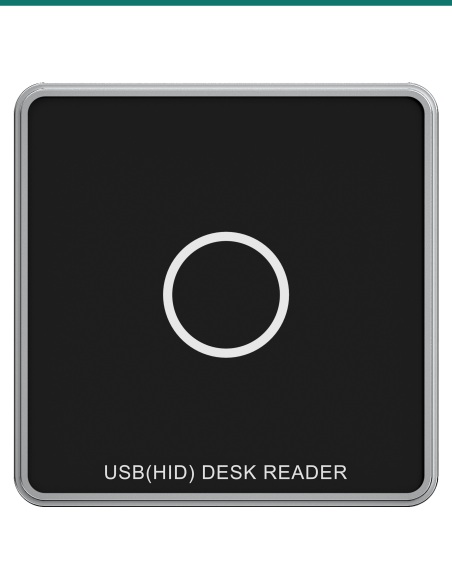
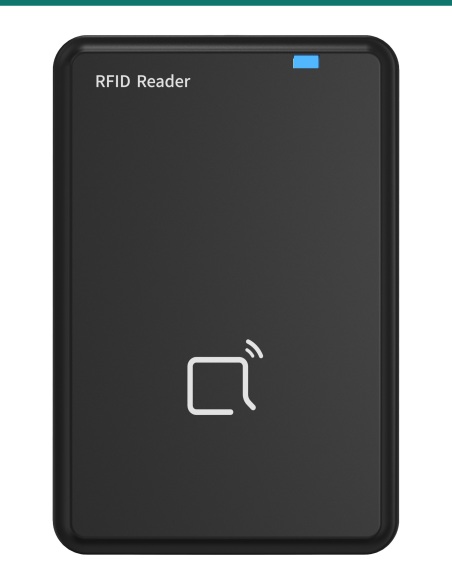
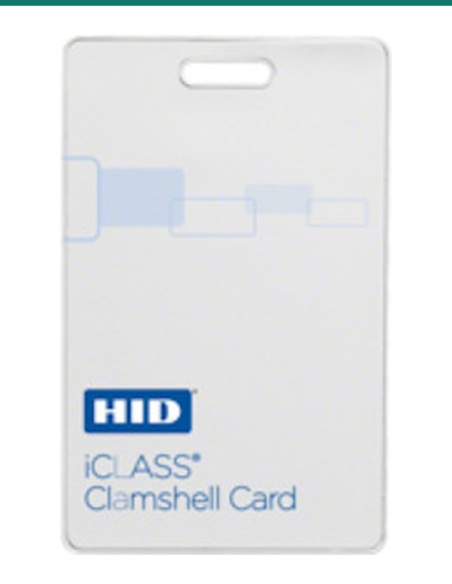
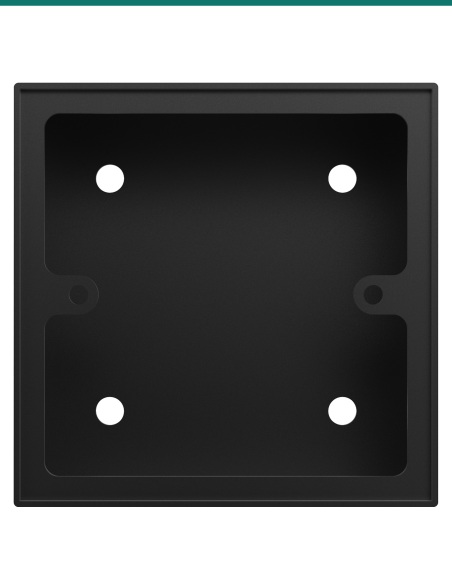
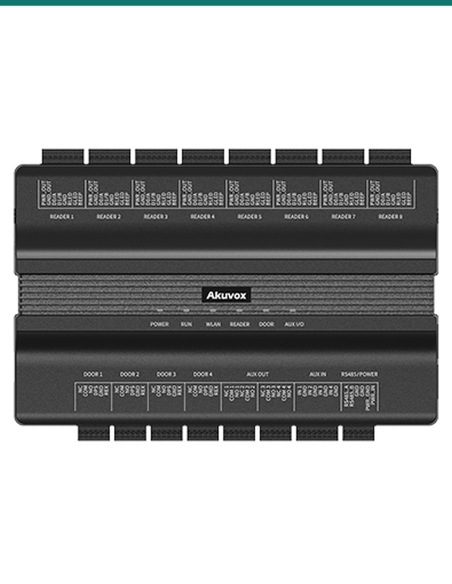
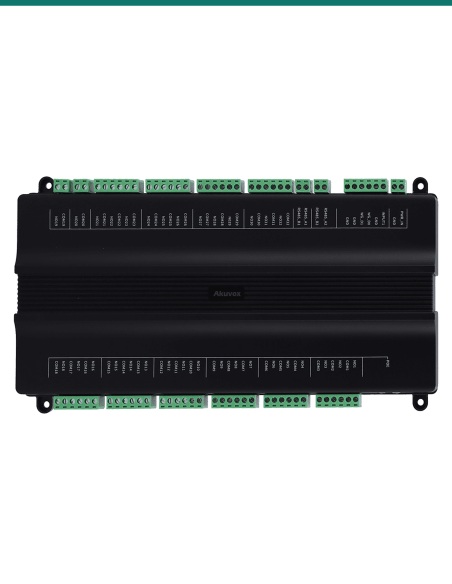
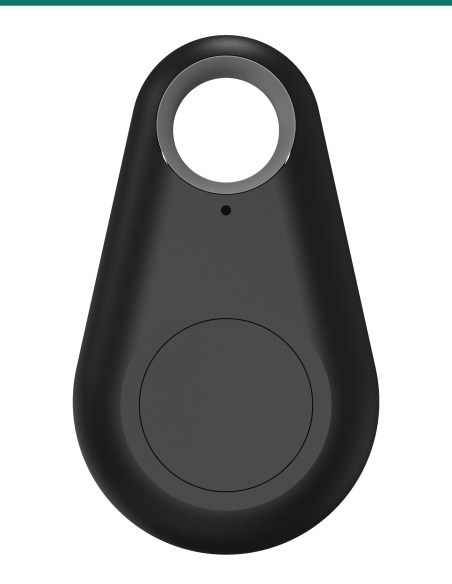
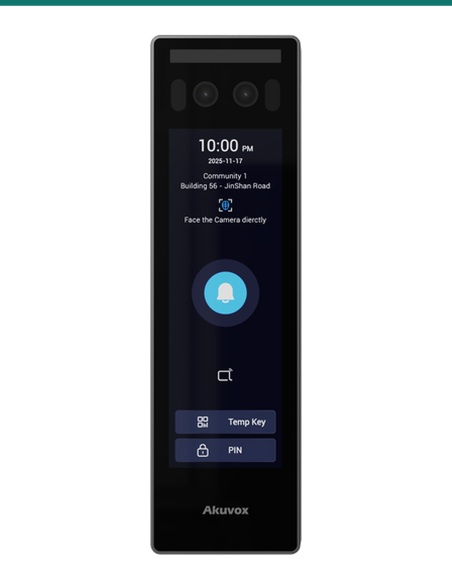
Product shot may differ from supplied revision or regional packaging.
Purpose-built credential reading for controlled entry points
In practical installations, the AK-A01 suits door stations, gates, pedestrian entries and tenancy access points where users present RFID credentials to trigger an access workflow. As a reader-format access terminal, it fits the category of hardware used to identify authorised users at the door edge before an access control system, intercom logic or door controller processes the request.
For Australian integrators, Infront Technologies Australia can assist with product matching around Akuvox door entry ecosystems, helping determine suitability alongside indoor monitors, SIP intercom stations, locking hardware and control architecture when a project requires a compatible RFID touchpoint rather than a standalone, assumption-filled reader specification.
RFID identification at the door edge
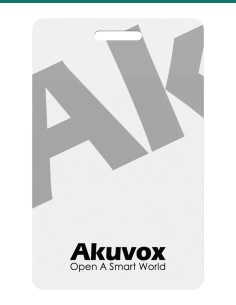
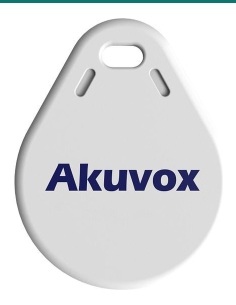
The primary confirmed function of the AK-A01 is RFID-based access presentation. In system terms, that means the terminal sits at the user interaction point, allowing a card, fob or compatible RFID credential to be presented before a downstream permission decision is executed by the connected access environment. This makes it relevant to apartment entries, office tenancies, internal secure doors and managed shared facilities.
Because publicly verified electrical, credential-frequency and interface details were not supplied in the source data, the sensible specification position is to treat the AK-A01 as a dedicated Akuvox reader unit for door entry systems rather than overstate unsupported functions. For installers, that distinction matters: reader role, ecosystem compatibility and mounting intent should be confirmed before controller, power and lock hardware are finalised.
Intended for broader door entry architecture
The product context explicitly places the AK-A01 inside a door entry application. That is significant because reader hardware in this category is rarely chosen in isolation; it is typically selected for interoperability with intercom stations, indoor answering devices, access permissions, exit hardware and lock release logic. In Akuvox deployments, the value is usually in how the reader participates in the wider entry workflow rather than acting as a generic standalone device.
For project planning, this means the decision points are not just around the reader itself. Installers should confirm whether the site requires tenancy call capability, SIP-based integration, relay control, audit expectations, user database handling and the exact credential standard expected on the job. The AK-A01 is best viewed as a terminal component within a controlled-entry design path, not as a one-line replacement for every RFID reader on the market.
Useful when specification discipline matters
A common issue in access projects is substituting a reader based on appearance alone, then discovering late-stage mismatches around credential technology, system enrolment, wiring topology or enclosure suitability. The AK-A01 should therefore be specified from verified Akuvox documentation or system design advice, especially where the project includes apartment intercom, managed tenancy access or mixed credential populations.
Infront’s recommendation for trade buyers is straightforward: use the confirmed facts here as the starting point, then validate the remaining engineering details against the target Akuvox system bill of materials. That approach keeps the installation compliant with site expectations and avoids relying on guessed current draw, relay behaviour or card-format support that has not been substantiated by source material.
How it works in an entry workflow
The exact control logic depends on the host Akuvox configuration, but the reader-terminal role follows a consistent field pattern.
Present credential
A user presents an RFID credential at the AK-A01 reader position.
Identity is checked
The connected system evaluates whether that credential is recognised and permitted.
Access event is actioned
On approval, the entry workflow can trigger lock release or a related authorised action.
Door remains managed
The access point continues to operate under the rules of the broader Akuvox or host entry system.
At a glance
Only source-verified details are listed below. Unconfirmed items are intentionally excluded rather than guessed.
Jargon, decoded
Useful access-control terminology for specifying reader hardware and entry systems.
Dimensions
No verified dimensional drawing or enclosure size was available in the supplied source information for the AK-A01.
If wall-box fit, surface footprint or weather position is critical to the project, confirm the latest Akuvox installation documentation before cut-out, conduit placement or façade drilling begins.
Pairings to consider
Selection should be based on the final Akuvox topology and the access outcome required at the site.
Akuvox door stations
For sites combining visitor communication with credential-based resident or staff entry.
Akuvox indoor monitors
Useful where the access point forms part of an apartment, office or reception-based door entry workflow.
Electric strikes and maglocks
Confirm the release method and door hardware requirements in line with the host control design.
System-side access components
Controllers, power arrangements and credential management elements should be selected around verified Akuvox compatibility.
FAQ
Is the AK-A01 a complete standalone access controller?
The source-verified information identifies it as an RFID access control terminal / reader unit for door entry systems. It does not confirm standalone controller capability, so that should not be assumed without manufacturer documentation.
What credential type does it use?
RFID is confirmed. The exact RFID standard, frequency or card-family support was not supplied in the available source data and should be verified for the intended deployment.
Can it be used with any access system?
That cannot be stated from the available data. For procurement and installation, treat the AK-A01 as an Akuvox reader terminal and confirm interoperability before substitution into non-Akuvox environments.
Do dimensions, wiring or ingress ratings appear in the source?
No verified values for dimensions, environmental rating, power requirement or wiring interface were available in the supplied information for this listing.
Where is this unit typically installed?
At controlled doors, gates or building entry points where users need to present an RFID credential as part of a managed access workflow.
What should an installer confirm before ordering?
Confirm credential compatibility, host-system support, intended mounting position, electrical requirements, lock-release strategy and whether the project expects a reader-only device or a more feature-rich access endpoint.
Electrical interface, environmental suitability, credential standard and installation method should be confirmed against current Akuvox documentation before deployment in security-sensitive or code-regulated applications.
- AI
- We will add a note at the bottom of the message form to inform you that you can email us at [email protected] to raise objections at any time.
- Cat
- We will add a note at the bottom of the message form to inform you that you can email us at [email protected] to submit a request to modify/withdraw your consent at any time.
- Signal-to-Noise Ratio
- You have the right to know the situation of your business contact information that we collect and the way we process it.
- Provide
- We will provide specific data information and processing methods in the form of data records.
- Access
- We will add a note at the bottom of the message form to inform you that you can email us at [email protected] to submit requests for access/correction and/or erasure at any time.