
Guides
What is SIP? A Plain-English Guide to SIP Intercoms
New to intercoms? Start here: what SIP is, how a call works, and how people use it every day.
One language for every door, screen and phone.
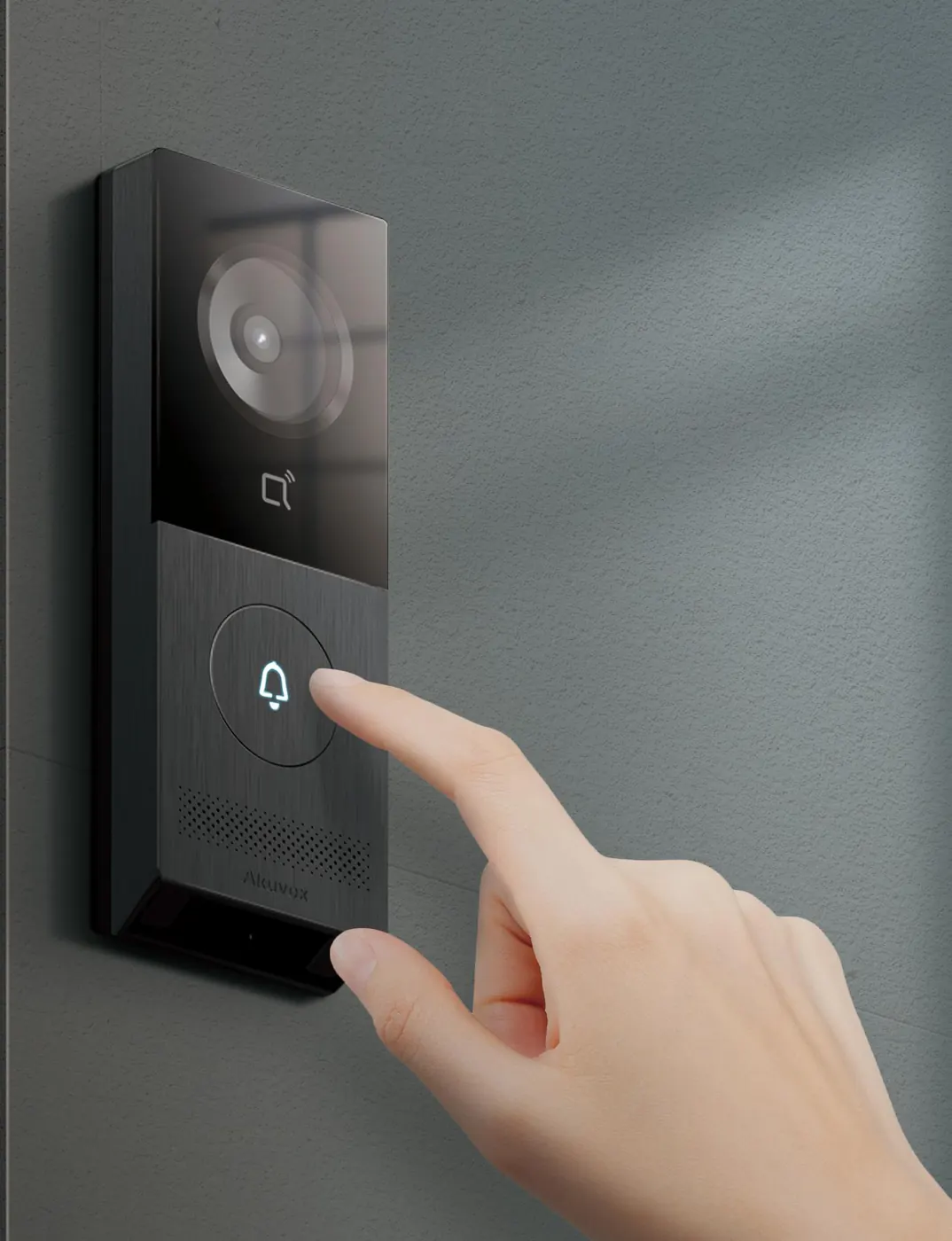
SIP is the common language modern intercoms use to make calls. Because it’s an open standard, your front door can ring an indoor screen, a desk phone, a mobile app or a security guard’s station, whichever brand made them.
SIP in one sentence
SIP (Session Initiation Protocol) is a set of rules that lets one device call another over a computer network: it starts the call, rings, connects the voice and video, then hangs up.
You already use it without knowing. Most modern office phones, many business phone systems and a lot of VoIP calls run on SIP. An Akuvox door phone simply joins that world: it’s a phone that lives on your front wall and happens to have a camera, a button and a door release.
Think of email
You can email a Gmail address from an Outlook account because both follow the same email rules. SIP does the same for calls: any SIP device can call any other SIP device.
Every device gets an address
Your gate might be gate@home and the kitchen screen 101@home. Press the button at the gate and it simply calls 101, just like dialling an extension.
Opening the door is part of the call
While you’re talking, you tap Unlock (or press a key on a phone). The door phone hears that command and clicks its relay, which releases the lock or starts the gate.
A closed system is a private conversation between two boxes. A SIP system is a phone network that anything SIP-capable can join.
What is a SIP server, and do I need one?
Open the settings of almost any SIP door unit and you’ll see boxes for SIP Server, Port, Username and Password. This is where most people get stuck. Here is the plain answer.
A SIP server is a switchboard
Think of a hotel reception desk. You don’t need to know which room your friend is in or where it is. You ring reception, ask for room 101, and they put you through.
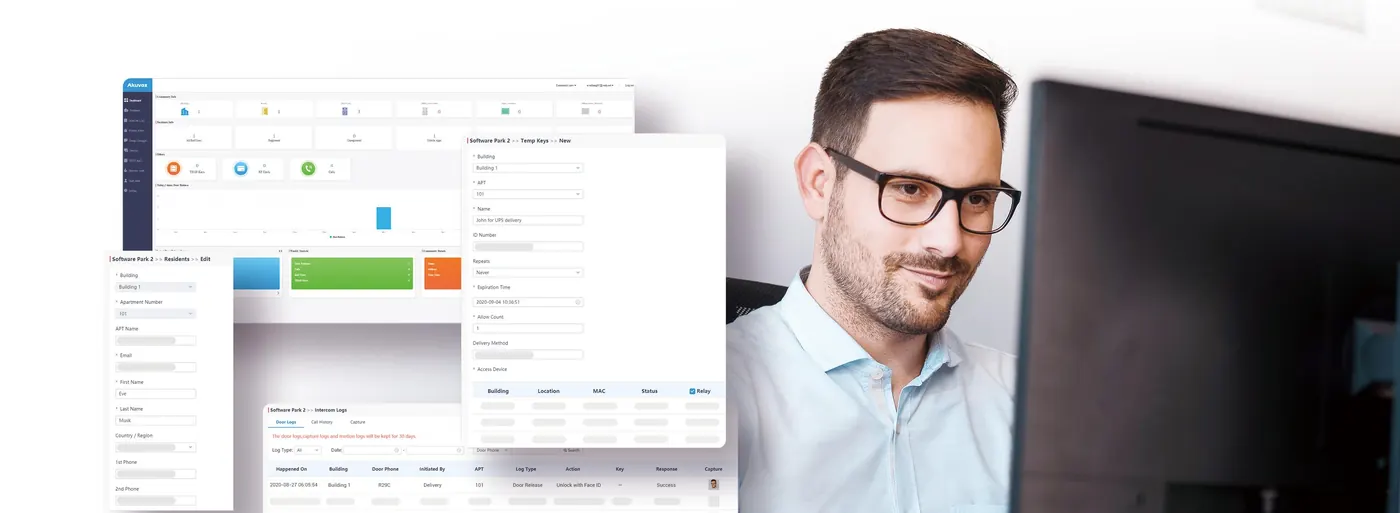
A SIP server does the same job for intercoms and phones. Each device signs in to it with a username and password, just like signing in to email. The server then knows that “101 is the kitchen screen” and where to find it. When the front door dials 101, the server rings the right screen, or several at once.
You may also hear it called a PBX, a phone system, a registrar or a SIP proxy. For our purposes they all mean the switchboard.
Swipe sideways to see the whole switchboard →
No. Your door unit and indoor screen are the phones, not the switchboard. The SIP Server box in their settings is optional. It’s there in case you want to plug the intercom into a switchboard you already have or rent.
It calls it directly by its network address, for example 192.168.1.50. It’s like knowing a friend’s street address: you don’t need the phone book. Give the screen a fixed (static) IP address so it never moves.
Nothing. For a normal house, leave the SIP account switched off and set the call button to the screen’s IP address. Only fill it in if you’re connecting to a phone system.
Those settings boxes, decoded
Swipe sideways to read every field →
Typical layout. The exact wording differs between models and firmware versions.
What should I put in the box? Pick your situation
“I just want the door to ring the screens in my house.”
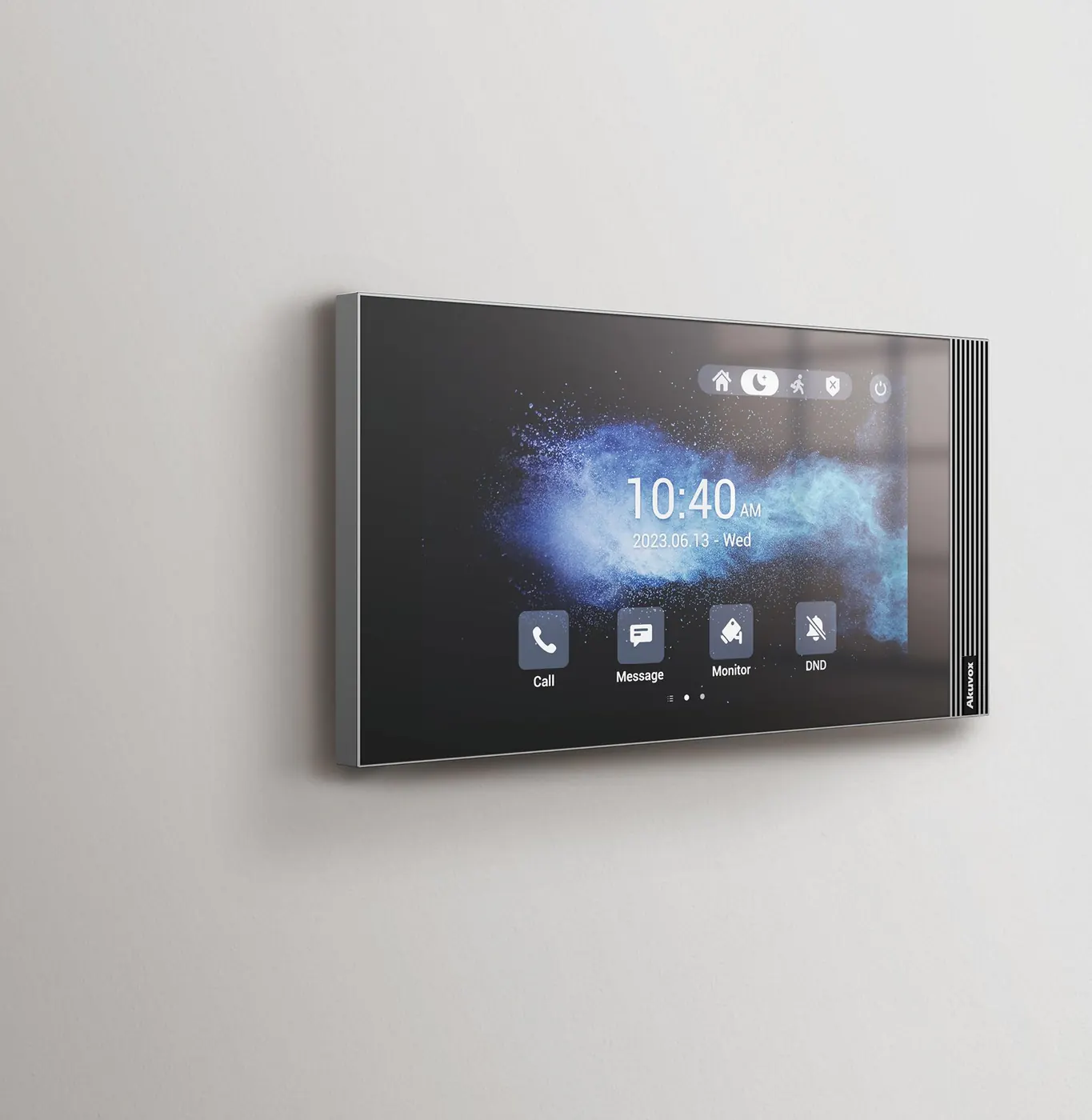
Leave it empty. Use direct calling: the door rings each screen by its IP address. Nothing to run and nothing to pay, and it keeps working if the internet drops.
Who manages it: nobody. There is no server.
“I want to answer on my phone when I’m out.”
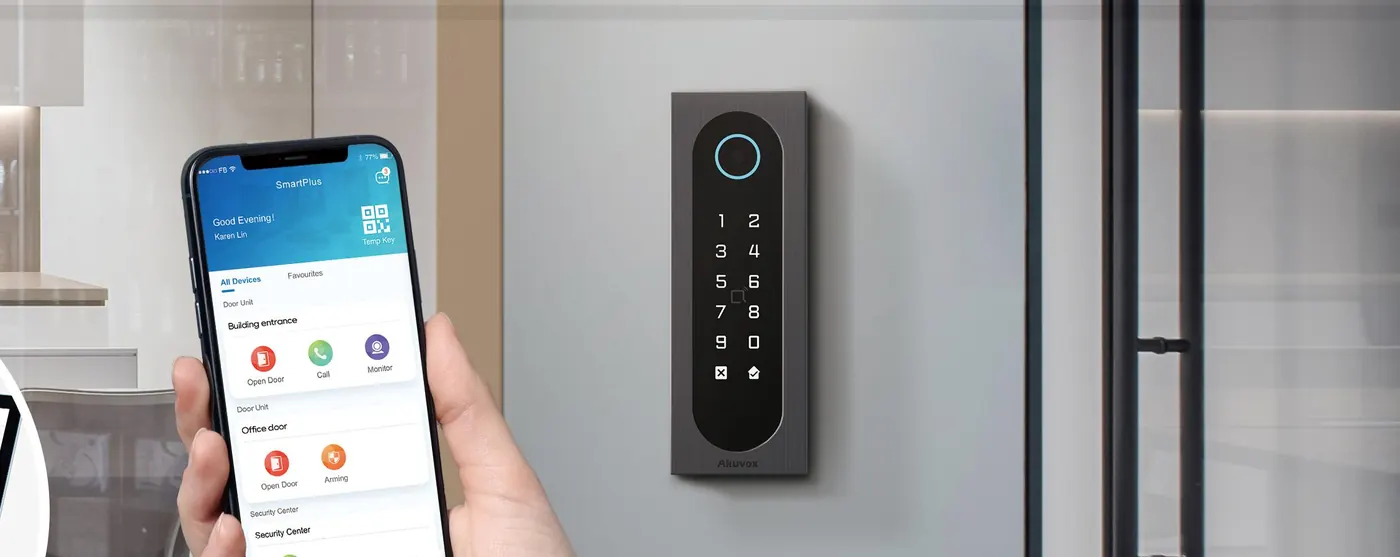
Use Akuvox SmartPlus. You don’t type a server address. You link the device to SmartPlus and Akuvox’s cloud signs it in for you, then rings your app anywhere. Screens at home can still be called directly as well.
Who manages it: Akuvox runs the cloud servers. Your installer or building manager sets up your account.

“Our office already has a phone system.”
Ask for an extension. Your phone administrator or provider creates one for the door (say, extension 100) and gives you the server address, username and password to type in. Reception can then answer the door on their desk phone.
Who manages it: your IT person, installer or phone provider.

“I’m fitting out a building or estate.”
Use SmartPlus or an on-site phone system. With dozens of apartments, a switchboard keeps everyone’s numbers, app logins, cards and PINs in one place, so access can be changed without visiting the site.
Who manages it: the building manager, with the installer looking after the hardware.
What can I use as a SIP server?
If you do need a switchboard, these are the usual choices, from simplest to most hands-on.
No server (direct calling)
Door to screen by IP address. Built into the devices.
- Good for
- Houses, granny flats, small sites
- Runs it
- Nobody
- Cost
- Nothing extra
Akuvox SmartPlus cloud
Akuvox’s own hosted service. Adds the mobile app, remote unlock and building management.
- Good for
- Answering away from home, apartments, multi-site
- Runs it
- Akuvox, set up by your installer
- Cost
- Service plan; ask us for current options
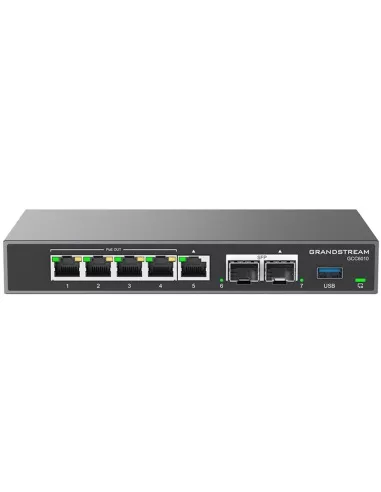
A phone-system box on site
A small appliance that is the switchboard, such as the Grandstream GCC6010, which is a router, firewall and IP phone system in one.
- Good for
- Offices, schools, farms with several buildings
- Runs it
- You, your installer or IT
- Cost
- One-off hardware
Phone-system software
Programs such as 3CX or FreePBX turn a PC, small server or virtual machine into a switchboard.
- Good for
- IT-savvy owners, businesses with servers
- Runs it
- You or your IT provider
- Cost
- Free to licensed, plus the computer
Hosted business phone system
Many business phone providers run the switchboard for you in the cloud. The door simply becomes another extension.
- Good for
- Businesses already on a hosted phone service
- Runs it
- Your phone provider
- Cost
- Usually a monthly fee per extension
Some home routers
A few home routers, such as some FRITZ!Box models, have a small phone system built in that IP phones and door units can sign in to.
- Good for
- Tech-minded home owners
- Runs it
- You
- Cost
- Already in the router, if supported
Akuvox has tested its intercoms with telephony platforms including Yeastar, BroadSoft, Elastix, aarenet, Epygi and CyberTwice. Not sure whether your system is compatible? Ask us and we’ll check before you buy.
| Your set-up | Where the “switchboard” lives | Who looks after it | Works without internet? |
|---|---|---|---|
| House, screens only | Nowhere: direct calling | Nobody | Yes |
| House plus mobile app | Akuvox SmartPlus cloud | Akuvox (account set up by your installer) | Screens yes, app no |
| Office with a phone system | Phone-system box or software on site | You, your installer or IT | Yes, inside the site |
| Office on hosted phones | Your phone provider’s cloud | Your phone provider | No |
| Apartments and estates | SmartPlus cloud or an on-site system | Building manager and installer | Depends on the design |
What actually happens when someone presses the button
Behind every visitor call is a short, polite conversation between two devices. Here it is in plain English, with the technical name underneath for anyone who wants it.
Swipe sideways to follow the call →
The whole exchange takes well under a second. Hang up, and the door phone is ready for the next visitor.
Three ways to connect a SIP intercom
The language is always SIP. What changes is who passes the calls around.
1. Direct, on your own network
The door phone calls the indoor screen by its network address. No server, no subscription, and it keeps working if the internet drops out.
Best for: houses, granny flats, small offices.
2. Through your phone system
The door phone becomes an extension on your business phone system (an IP PBX). Reception answers on a desk phone, calls divert to mobiles after hours, and staff can transfer a visitor like any other call.
Best for: offices, schools, clinics, warehouses.
3. Through the cloud
Akuvox SmartPlus carries the call to your phone wherever you are: at work, overseas or stuck in traffic. Building managers add and remove residents, cards and PINs from a web portal.
Best for: anyone who wants to answer from anywhere; apartments and multi-site managers.
You can mix them: a house can ring its own screen directly and the owners’ mobiles through the cloud at the same time.
What you need
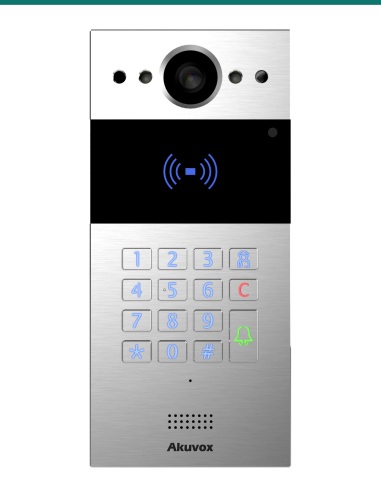
- A door stationThe outdoor unit with the camera, call button and often a keypad, card reader or face recognition.
- Something to answer withAn indoor screen, an audio handset, a desk or video phone, the mobile app, or several at once.
- A network to carry itUsually Cat6 cable to a PoE switch, which carries power and data on one cable. Wi-Fi, 4G or two existing wires also work.
- A lock to releaseAn electric strike, magnetic lock or gate motor, wired to the door phone’s relay.
- Optional extrasA phone system or the SmartPlus cloud for app calls, plus access readers, CCTV and lift control.
Why SIP beats a closed intercom
No lock-in
Because SIP is an open standard, you’re not trapped with one brand. Replace or add a single device later and the rest keeps working.
Answer anywhere
Indoor screen, desk phone, mobile app, even a smartwatch. Ring one device or ring them all at the same time.
Uses ordinary network gear
Standard data cable and PoE switches carry power, voice and video on one cable, the same gear IT installers fit every day.
Grows with you
Start with one door and one screen. Add the side gate, the garage, another building or a hundred apartments without starting again.
Talks to the rest of the building
Akuvox door phones also support ONVIF, so CCTV recorders can record them. They can link with alarm panels, lift control, smart locks and smart-home systems.
Clear, secure, supportable
HD video and wideband audio as standard. SIP itself supports encrypted calling (TLS and SRTP), and any network professional can look after it.
Who uses SIP intercoms?
Anyone who needs to see who’s there, talk to them and let them in, from a single house to a whole precinct.
- Homeowners & renovators
- Builders & developers
- Strata & property managers
- Offices, retail & warehouses
- Aged care & hospitals
- Schools & public spaces
- Installers & IT teams

Imagine it in your world
Eight everyday situations, and how SIP makes each one simple.
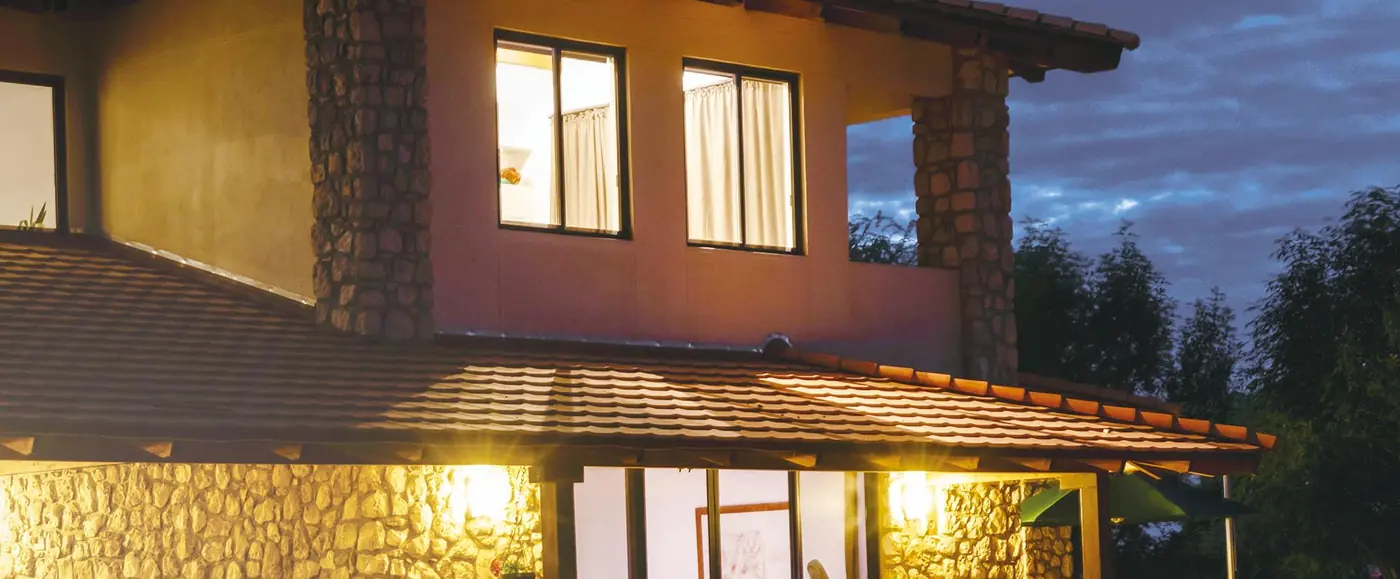
The courier at 11am
You’re at work when a parcel arrives. The doorbell rings the kitchen screen and your mobile together. You see the courier, ask them to leave it inside the side gate, tap Unlock, then watch the gate close behind them.
How SIP does it: one button press, several devices ringing, and the unlock command travels with the call.
The farm gate 800 metres away
Trenching cable down the driveway would cost a fortune. An LTE door phone at the gate makes its SIP call over 4G instead, so visitors reach the house screen or your mobile out in the paddock.
How SIP does it: SIP runs over any IP connection, so it works on a mobile data link as well as a cable.
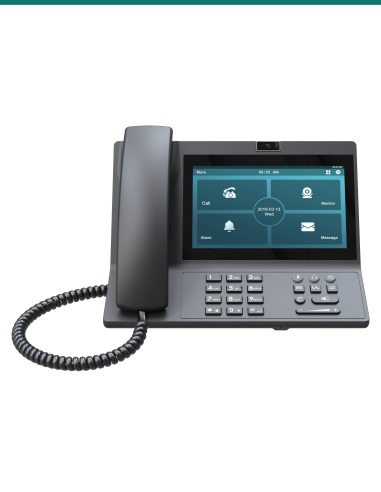
The front desk that’s never unattended
The entrance intercom is an extension on your phone system. Reception sees the visitor on a video desk phone and presses a key to open the door. After 5pm the same call rolls to the manager’s mobile.
How SIP does it: the door phone registers to your IP phone system like any other handset, so call rules, transfers and after-hours diversions just work.
The 40-unit apartment block
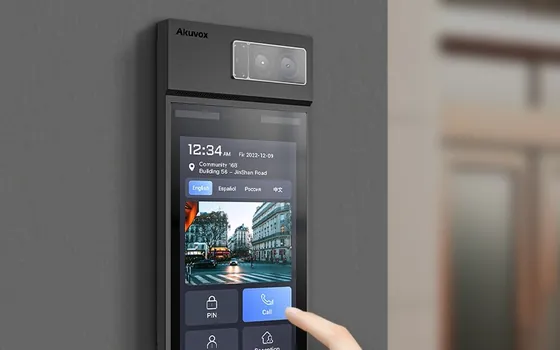
Residents walk in with their face, phone or card. Visitors search the lobby directory and call the right apartment’s screen or app. When someone moves out, the building manager removes their access from a laptop with no site visit.
How SIP does it: each apartment is just another SIP address, and the cloud keeps every resident and credential in one place.

Mum, living on her own
A big-button phone with photo keys lets her call family with one press, and the red SOS key raises an alarm. A ceiling radar notices a fall without a camera in the room. When the carer rings the gate, she answers from her chair.
How SIP does it: the phone, the door and the alert system all share one calling network, so help can reach her and she can reach help.

The car-park help point
A driver is stuck at the boom gate. They press the help point and the security desk answers, sees the plate on camera and lifts the gate. If the desk is busy, the call moves on to the patrol guard’s phone.
How SIP does it: help points are SIP phones in tough housings, so they ring any security phone or control room that speaks SIP.
The 1990s intercom that finally died
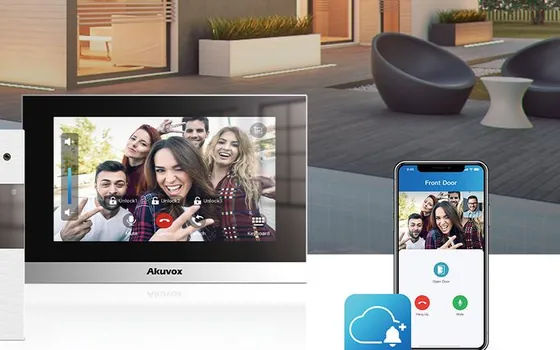
The old handset only had two wires running to it, and nobody wants to chase new cable through plastered walls. A 2-wire IP kit reuses those wires and turns them into a network link, so you get modern video, the app and SIP calling.
How SIP does it: an adaptor carries ordinary network traffic down the old pair, and SIP neither knows nor cares.
Hands full in the kitchen
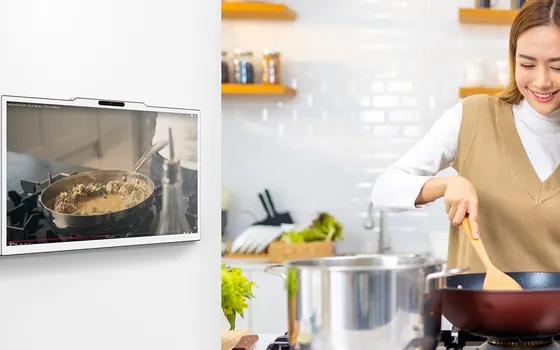
The doorbell rings while you’re cooking. You glance at your Apple Watch to see who it is, or ask Alexa to unlock the front door. Meanwhile the CCTV recorder has already saved the clip.
How SIP does it: because the intercom speaks open standards, it plugs into the apps, watches, speakers and recorders you already own.
The words you’ll hear
- SIP
- Session Initiation Protocol. The open rules for starting, running and ending calls over a network.
- SIP address or extension
- A device’s “phone number” on the system, such as 101 or gate@home.
- SIP server
- The switchboard that devices sign in to and that connects their calls. Also called a PBX, registrar or SIP proxy.
- Register (sign in)
- A device logging in to the SIP server with its username and password so the server knows where to ring it.
- Static IP address
- A network address that never changes. Give indoor screens one so the door can always find them for direct calls.
- IP PBX or phone system
- The switchboard that passes calls between extensions and out to real phone numbers. It can be a box on site or hosted in the cloud.
- Direct IP call
- Two devices calling each other by network address with no server in between. Ideal for a single house.
- PoE (Power over Ethernet)
- Power and data on the same network cable, so the door phone needs no separate power pack.
- RTP
- The stream that carries the actual voice and video once SIP has connected the call.
- Relay
- A switch inside the door phone that releases an electric lock or triggers a gate motor.
- DTMF
- The tones a phone keypad makes. Pressing a key (such as #) during a call can tell the door phone to open the lock.
- ONVIF
- The open standard for security cameras. It lets a CCTV recorder view and record the door phone’s camera.
- SmartPlus
- Akuvox’s cloud service and app for answering calls, opening doors and managing residents from anywhere.
Common questions
Do I need a SIP server for my house?
Usually not. A door unit can call indoor screens directly by their IP addresses, with no server at all. You only need a SIP server (or the SmartPlus cloud) if you want to connect to a business phone system or answer from a mobile app.
Is there a SIP server built into the intercom?
No. Door units and indoor screens are SIP phones, not switchboards. The SIP Server field in their settings is optional and only used when you connect them to a phone system or cloud service.
Who manages the SIP server?
Whoever provides it. With direct calling there is none to manage. With Akuvox SmartPlus, Akuvox runs the cloud and your installer or building manager sets up accounts. With an office phone system, your IT person, installer or phone provider looks after it.
What happens if the SIP server goes offline?
Calls that go through it stop until it’s back. That’s one reason houses usually use direct calling between the door and the screens: those calls don’t depend on a server or the internet.
Do I need the internet for a SIP intercom to work?
No. Calls between the door and screens inside the property run over your own network and keep working if the internet goes down. You only need the internet to answer on your mobile while you’re away, or to use cloud management.
Does it use my phone line or cost money per call?
No. Calls travel over your own network, so there are no call charges. Calls only go out to a real phone number if you connect the intercom to a phone system or VoIP service that can dial them.
Can I mix brands?
Yes, that’s the point of SIP. Any device or phone system that supports SIP can call an Akuvox door phone, and the door phone can call it. Brand-specific extras, such as face enrolment or the SmartPlus app, work best within the Akuvox family.
Will it work with my existing office phone system?
If your phone system supports SIP extensions (most modern IP and hosted phone systems do), the door phone can register as an extension. Akuvox works with phone platforms such as Yeastar, BroadSoft and Elastix.
Is a SIP intercom secure?
SIP supports encrypted call set-up (TLS) and encrypted voice and video (SRTP). Good practice is strong passwords, up-to-date firmware and keeping intercoms on their own network segment. We can help you set that up.
I only have two old wires to the intercom. Can I still go SIP?
Yes. Akuvox 2-wire IP systems reuse an existing pair of wires as a network link, so you can upgrade without new cabling.
How big can a system get?
From one door and one screen up to estates with multiple buildings, lobby panels, lifts and hundreds of apartments. You can start small and add devices over time.
Every Akuvox device here speaks SIP
Not sure what your site needs?
Tell us about your doors, gates and how you’d like to answer, and we’ll sketch a system that fits.