Category
Door Strikes & Magnetic Locks
Electric door strikes and magnetic locks
The lock is what actually keeps the door shut, so match it to the door and to how it must behave when the power fails.
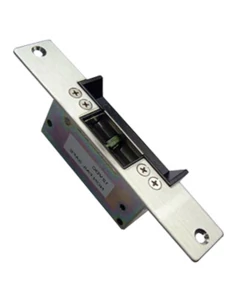
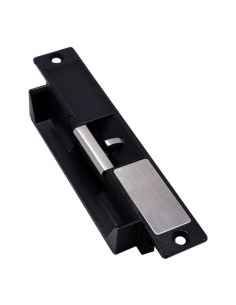
Electric strikes replace the strike plate in the frame and work with the door's existing latch. The mortise models (ACLOC100, ACLOC102, ACLOC104, ACLOC105) fit inside the frame and the ACLOC101 mounts on the surface. The monitored ACLOC102 and ACLOC105 report door and lock status back to the access controller.
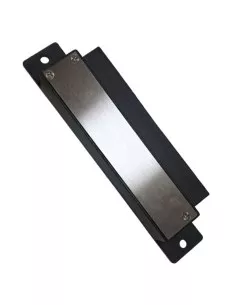
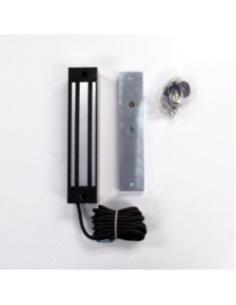
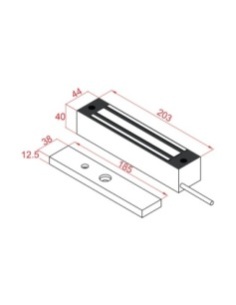
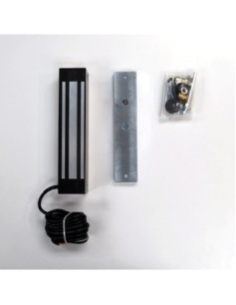
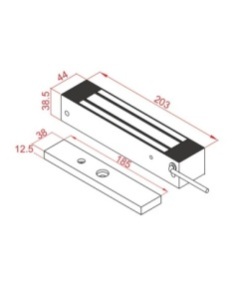
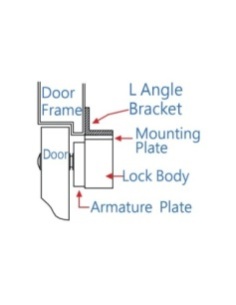
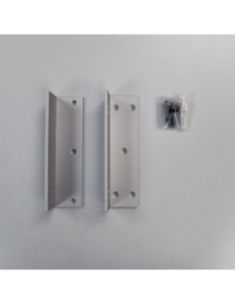
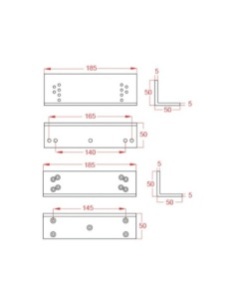
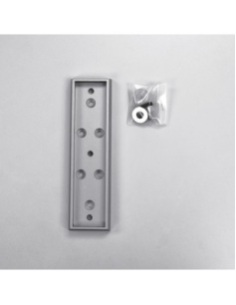
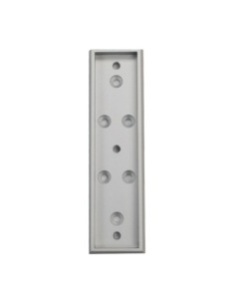
Magnetic locks hold the door shut with an electromagnet: the MAGLOC100S gives 272 kg holding force, and the MAGLOC-LZ100 L-Z brackets fit it to doors that open inwards.
- Fail-secure & fail-safe — choose how the door behaves without power
- Monitored strikes — door and lock sensors on the ACLOC102 and ACLOC105
- 272 kg maglock — surface-mount anodised aluminium
- 12 or 24 V — multi-voltage on selected models
- Electric strikes
- Magnetic locks
- Monitored options
- 12 / 24 V
Shop access control
Featured: ACLOC105 monitored mortise strike
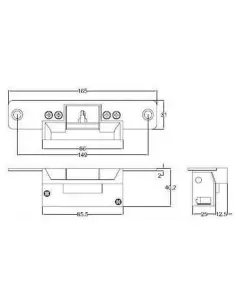
Stainless steel mortise strike that switches between fail-secure and fail-safe, runs on 12 or 24 VDC (280 / 140 mA) and has door, lock and keeper sensors so your controller knows the door is properly shut.
- 175 × 29 mm faceplate
- 12.7 mm door latch
- Door, lock and keeper sensors
Door Strikes & Magnetic Locks FAQ
Strike or maglock?
Use an electric strike when the door already has a lever set and latch: the door keeps working normally with a key. Use a magnetic lock for glass, aluminium or double doors, and where a fail-safe lock is needed on an exit path.
What power supply do I need?
Most strikes and maglocks run on 12 VDC. Check the current draw (for example 500 mA at 12 V for the MAGLOC100S) and allow some headroom on the supply.
The right lock for the door. Strikes and maglocks that suit how your door is built and how it must behave in an emergency.