1 / 4

Mortise Mount Door Strike Steel Faceplate Fail-Secure Mode - ACLOC100

SKU ACLOC100 In Stock - Ready to Ship
$41.95 inc GST

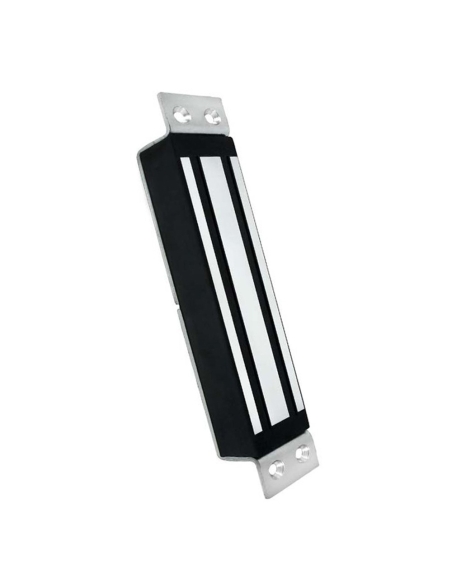
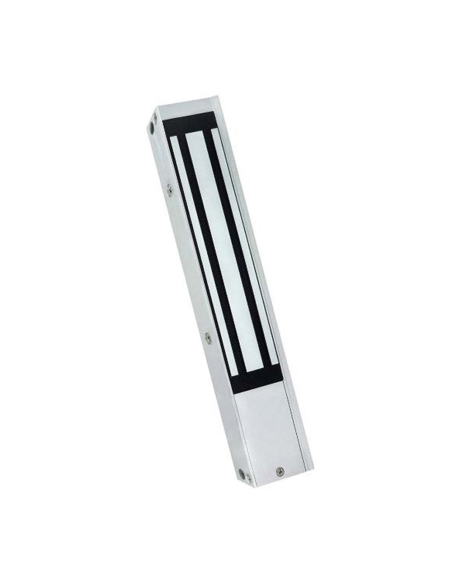
Watchguard ACLOC100: a fail-secure mortise electric door strike with a steel faceplate, running on 12 VDC at 400 mA.

  • ✓12 VDC at 400 mA
  • ✓Fail-secure: locked with no power
  • ✓9.5 mm door latch, 9.6 mm keeper depth
  • ✓Steel faceplate 160 × 25 × 3 mm
  • ✓For steel, aluminium or timber frames


Description

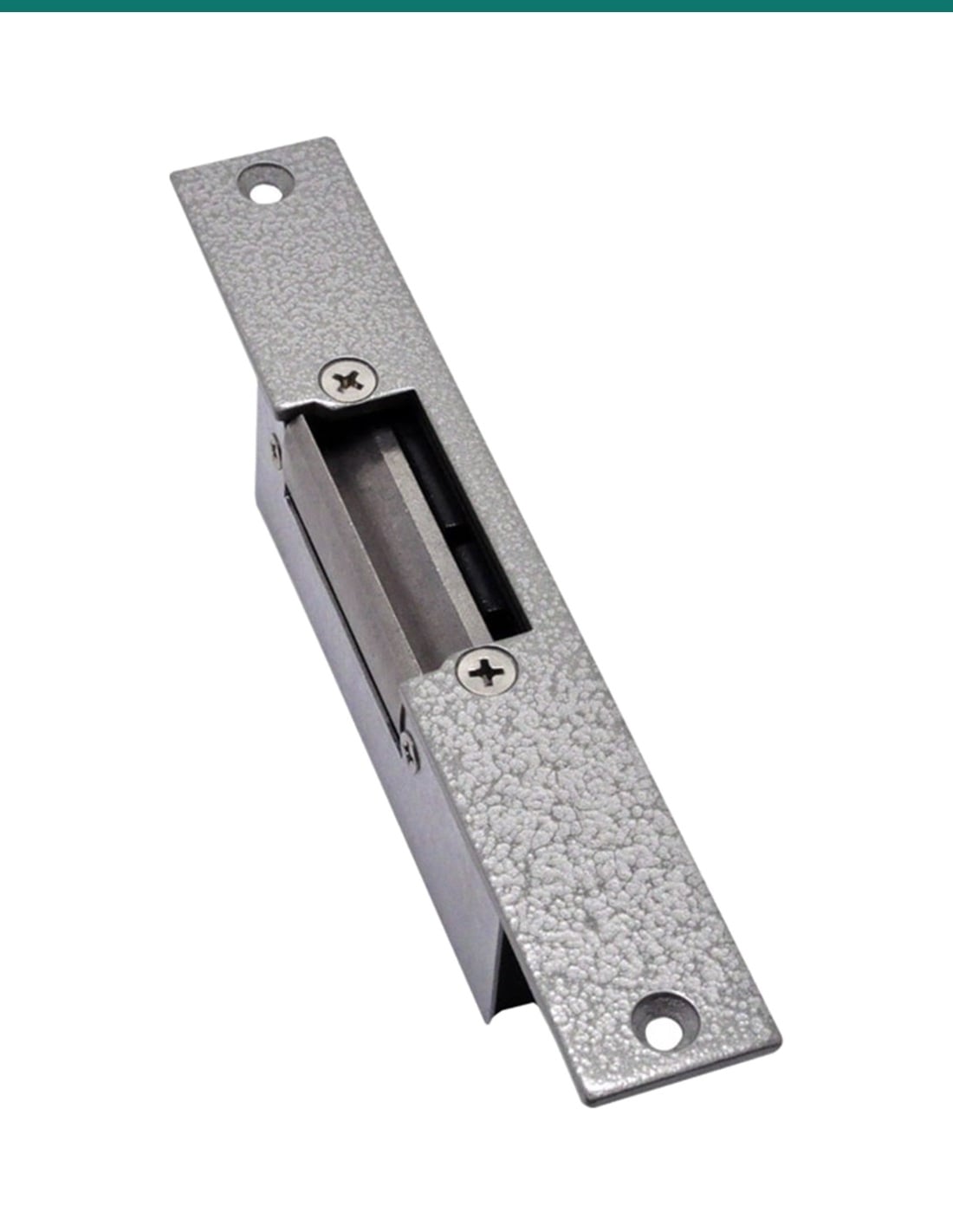
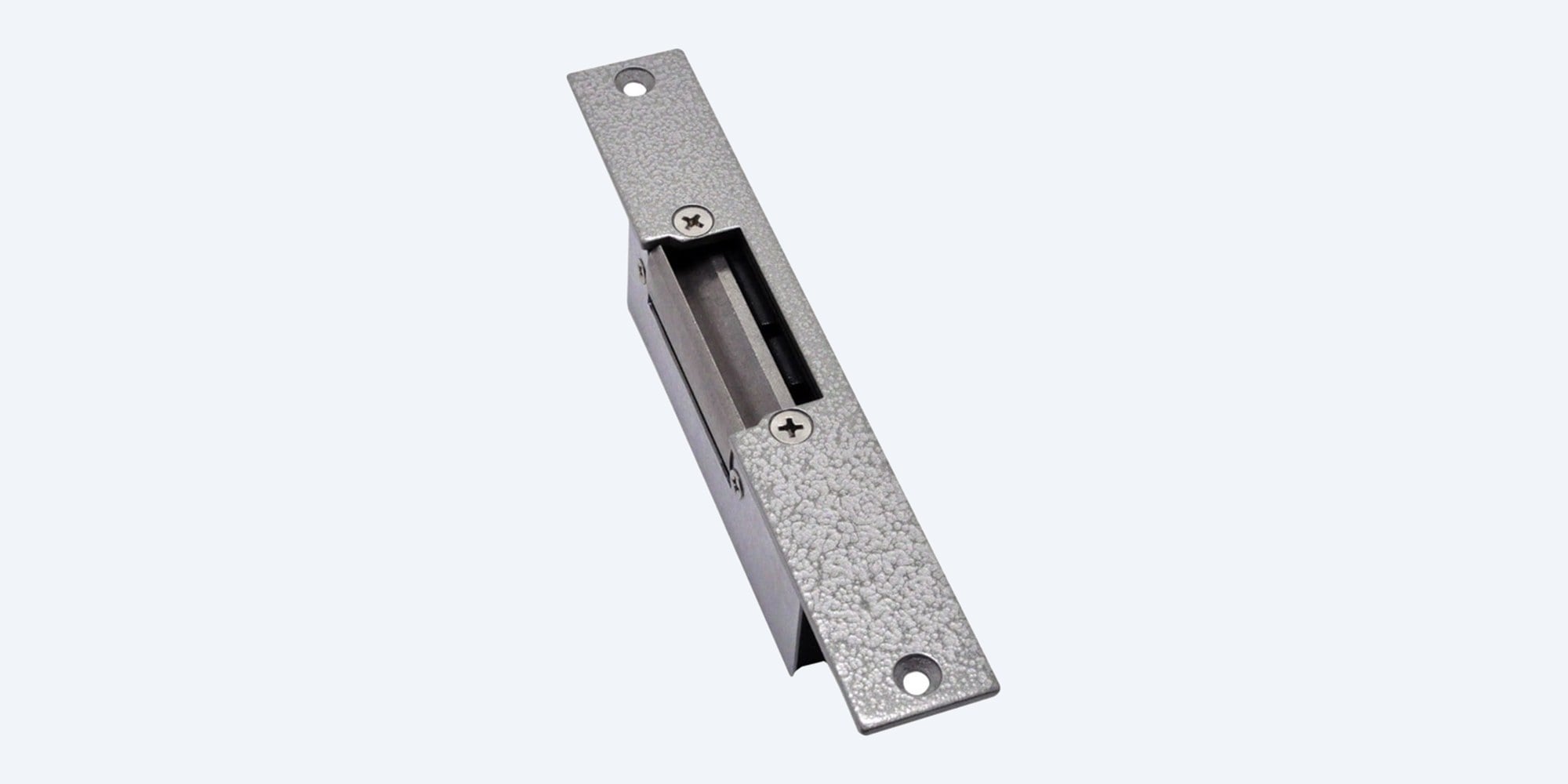
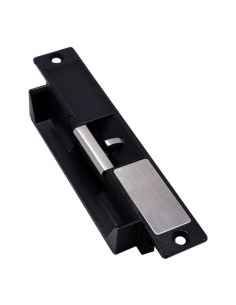
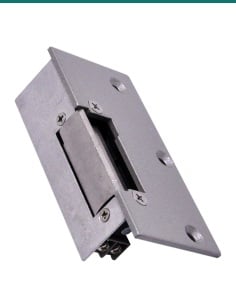
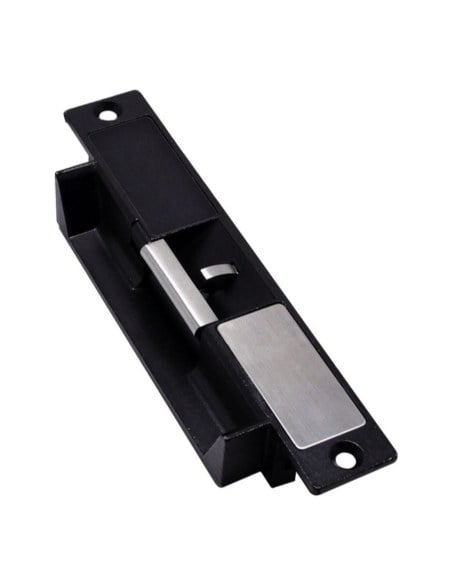
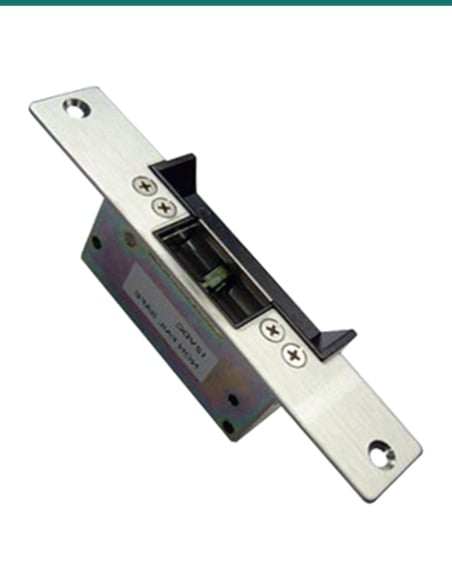
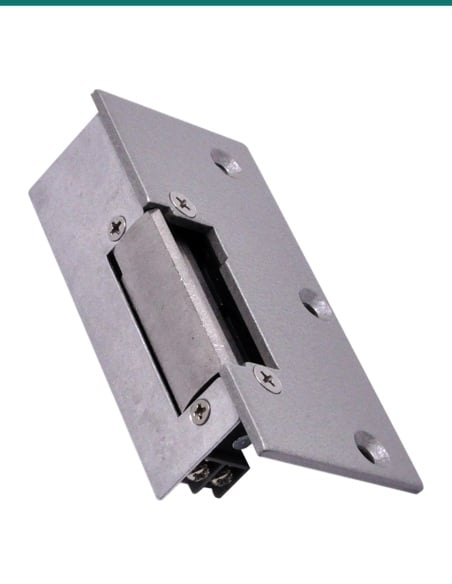
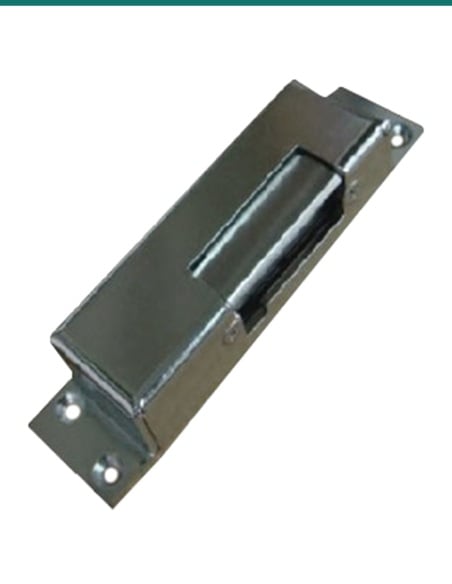
Watchguard ACLOC100 mortise electric door strike with its textured steel faceplate
Watchguard · VIP Vision access control · Door strike

A plain 12 VDC mortise strike.
Fail-secure, in a steel faceplate.

The Watchguard ACLOC100 is a mortise electric door strike for access control. It runs on 12 VDC at 400 mA and is fail-secure, so the door stays locked if the power goes off.

In one sentence: the Watchguard ACLOC100 is a fail-secure mortise electric door strike with a steel faceplate, drawing 400 mA at 12 VDC, for a 9.5 mm door latch with a 9.6 mm keeper depth and a 160 × 25 mm faceplate.

Door strike only. The reader, power supply and cable are separate.

This listing is one ACLOC100 strike. It needs something to switch it (a reader, controller or intercom relay), a 12 VDC supply and cable to the door frame.

In the box
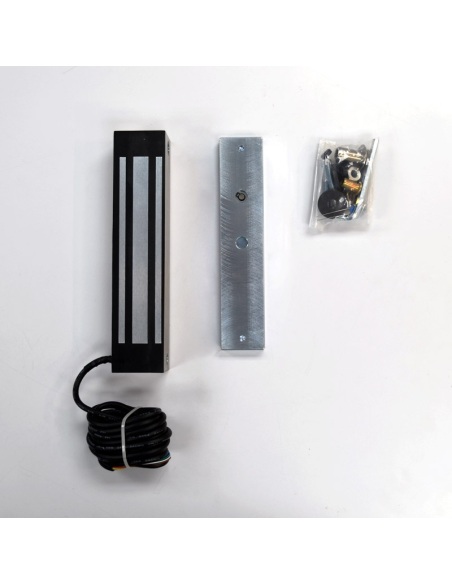
  • ACLOC100 mortise door strike
You also need
  • An access control reader, controller or intercom with a lock relay
  • A 12 VDC supply able to deliver 400 mA for the strike
  • Two-core cable from the controller to the frame
  • Fixing screws to suit your frame (confirm what is supplied with us)
  • An exit button if people leave through the door

Locked until it gets power.

The ACLOC100 is fail-secure: with no power the keeper is held shut and the door stays locked. When the reader, intercom or exit button switches 12 VDC to it, the keeper is free to swing and the door's latch can pass. It has no lock or door sensor; choose the ACLOC102 or ACLOC105 if you need those.

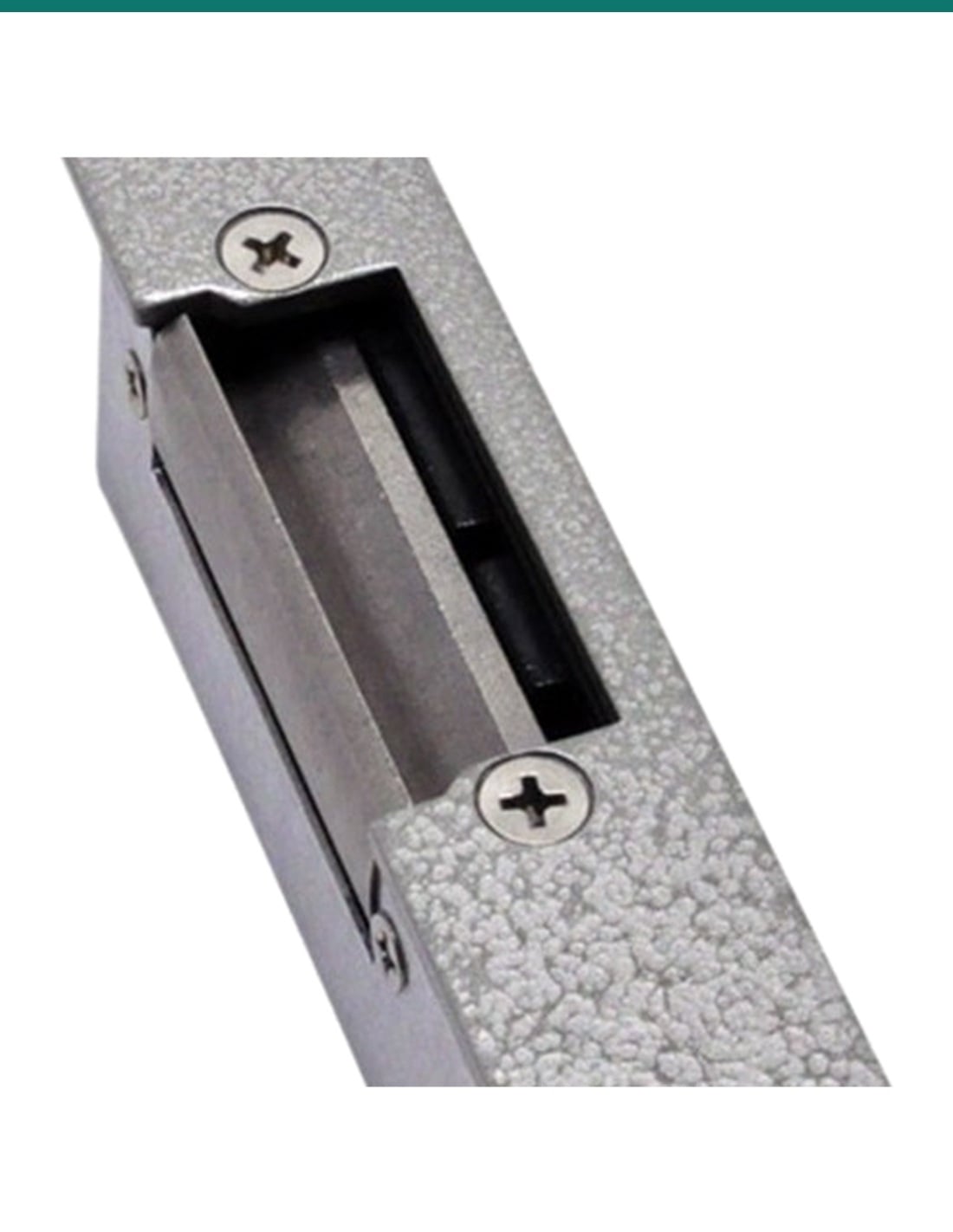
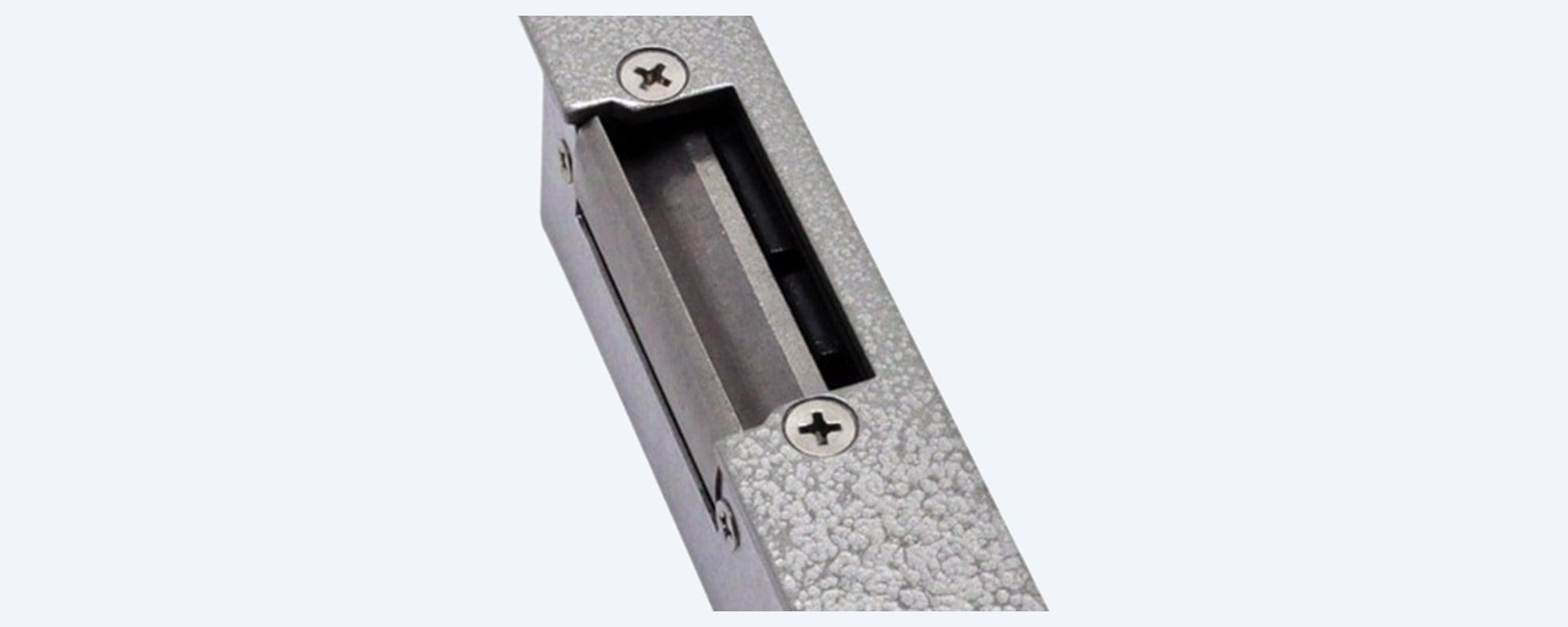
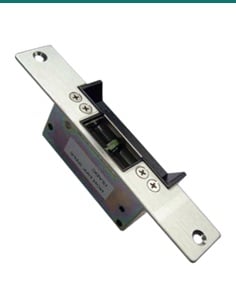
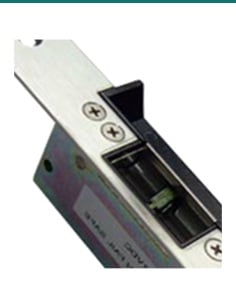
Close-up of the ACLOC100 keeper and the two screws holding the strike body to the faceplate
Keeper

9.5 mm latch, 9.6 mm keeper depth.

The keeper releases when the strike is powered, so the door's latch can pass. Watchguard rates it for a 9.5 mm door latch with a 9.6 mm keeper depth.

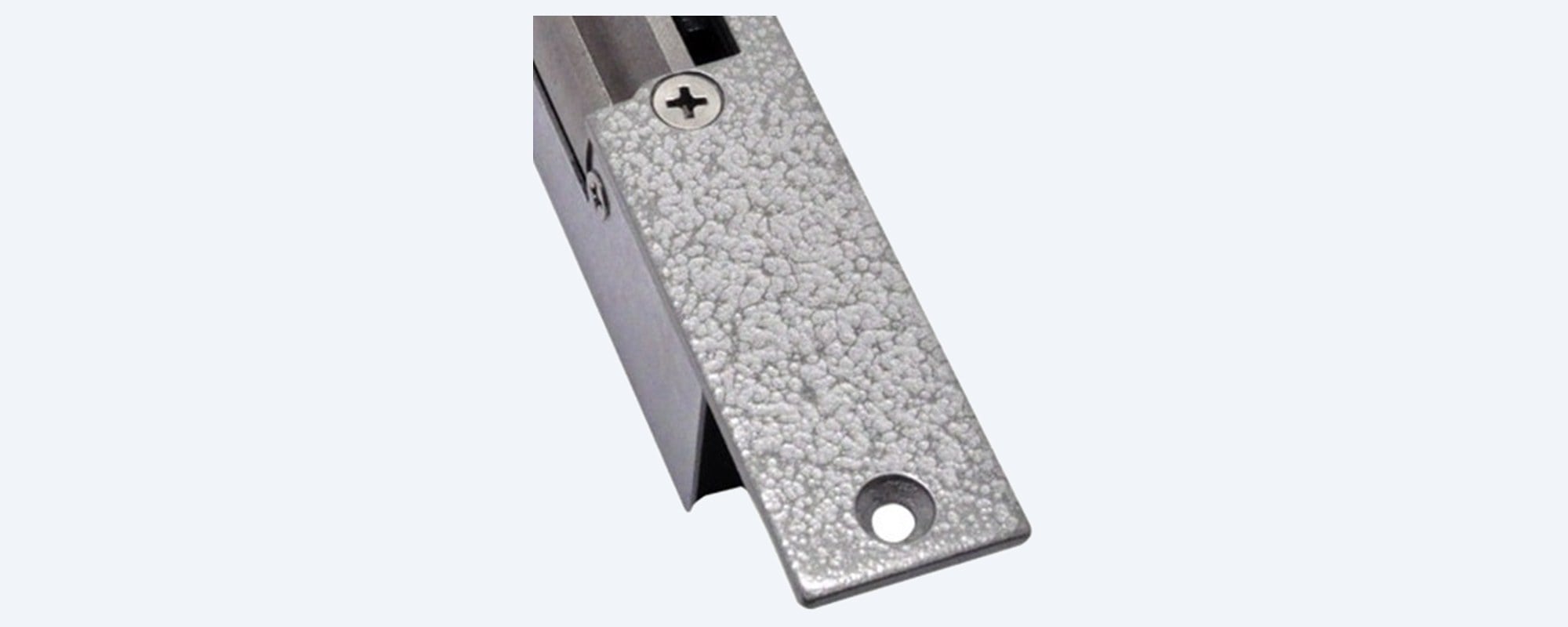
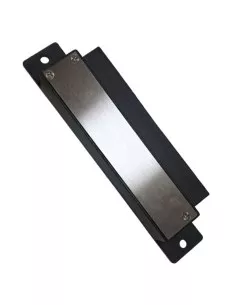
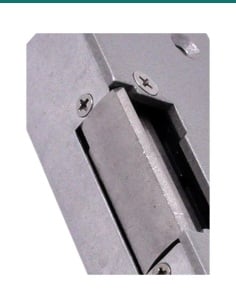
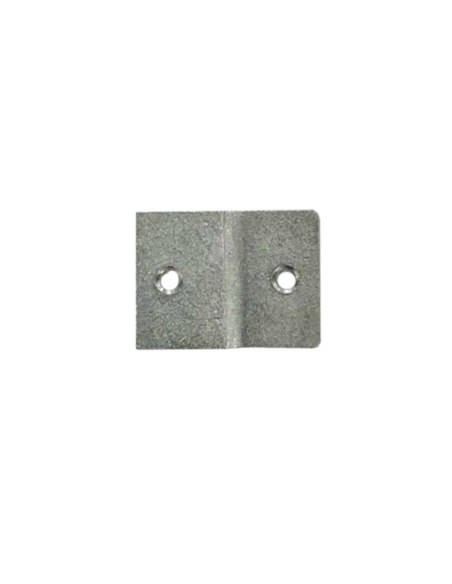
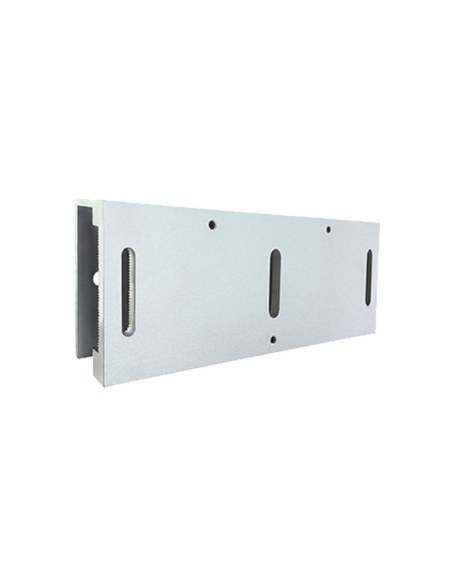
Lower end of the ACLOC100 textured steel faceplate with its fixing hole and the strike body behind

Faceplate

160 × 25 mm steel faceplate.

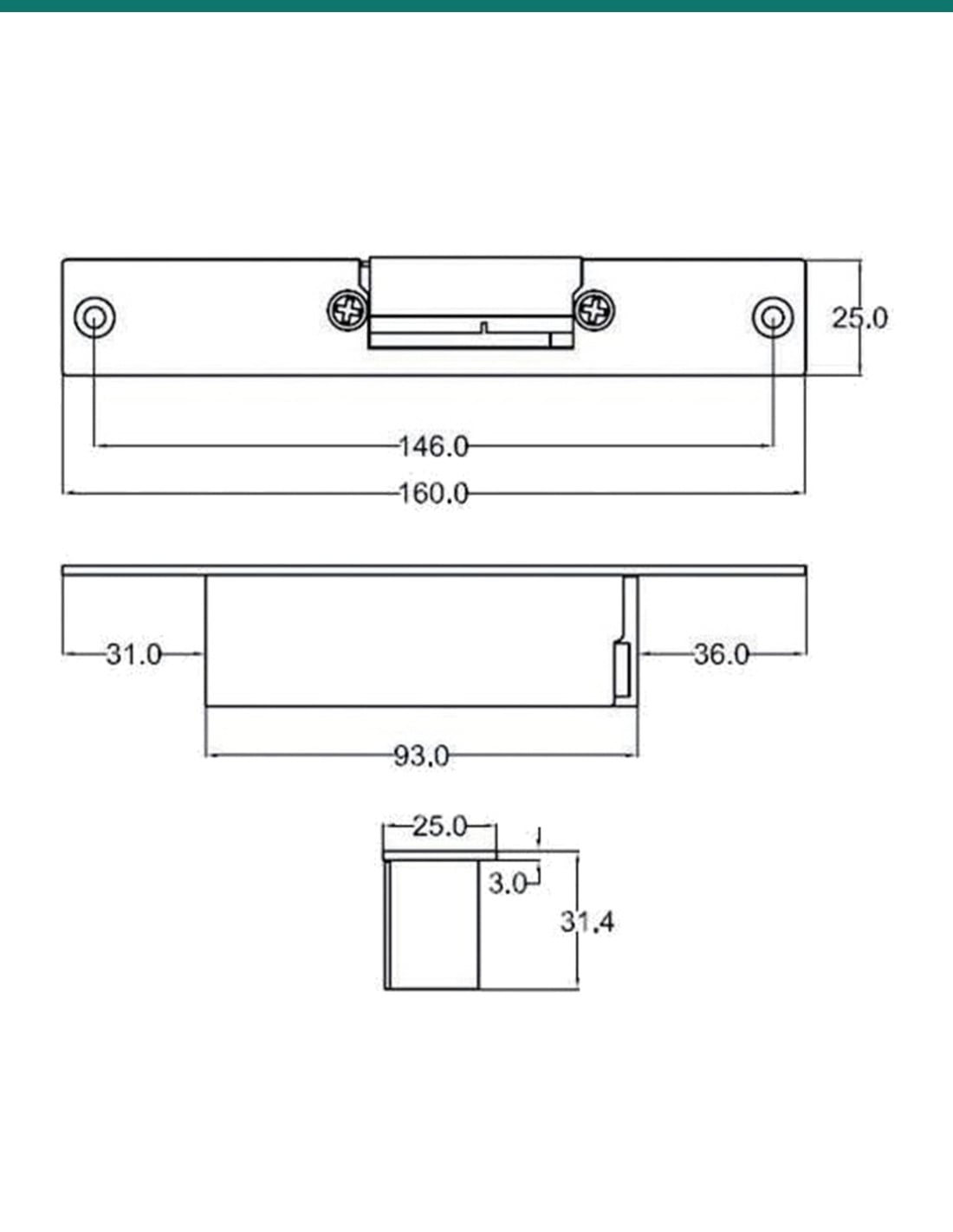
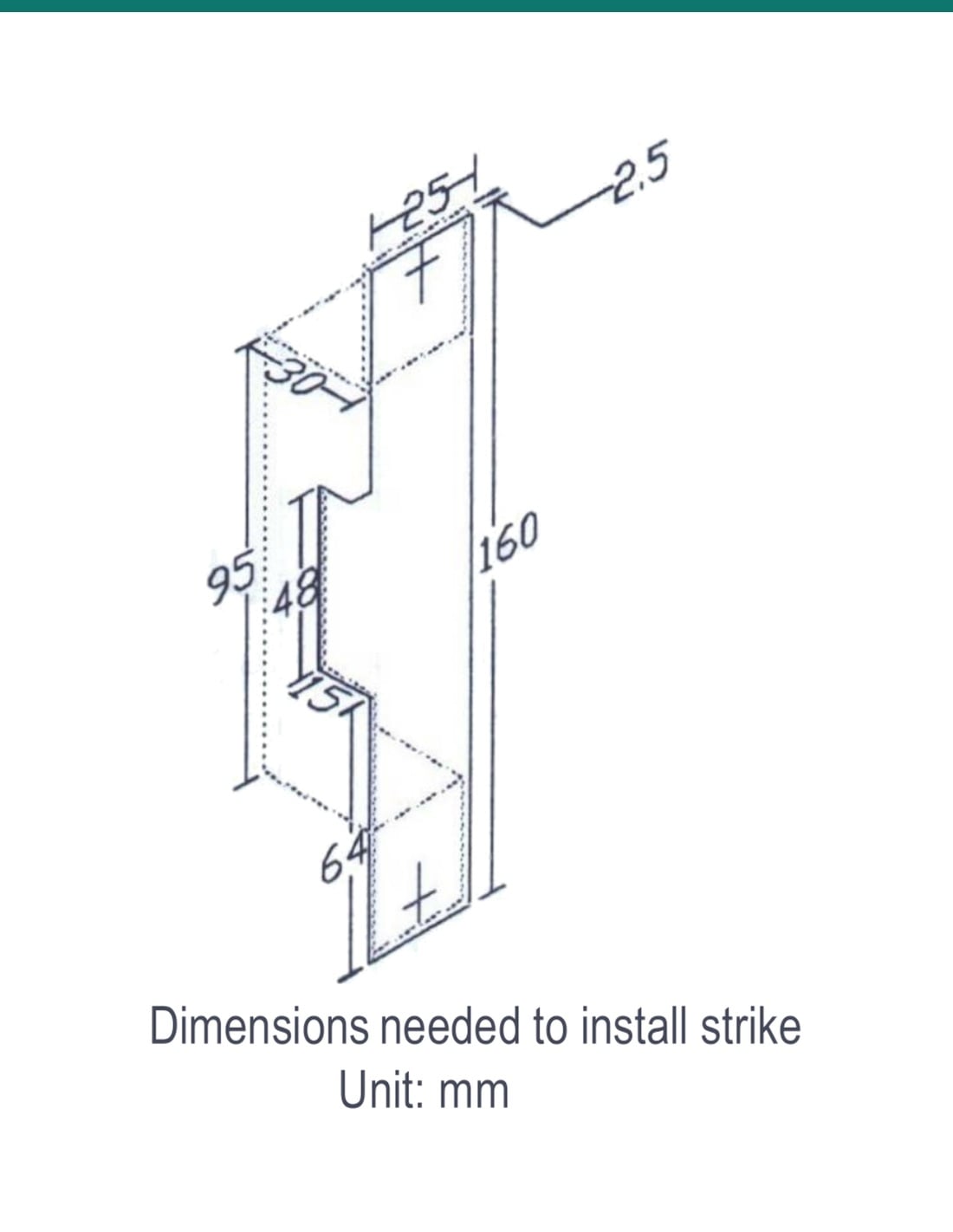
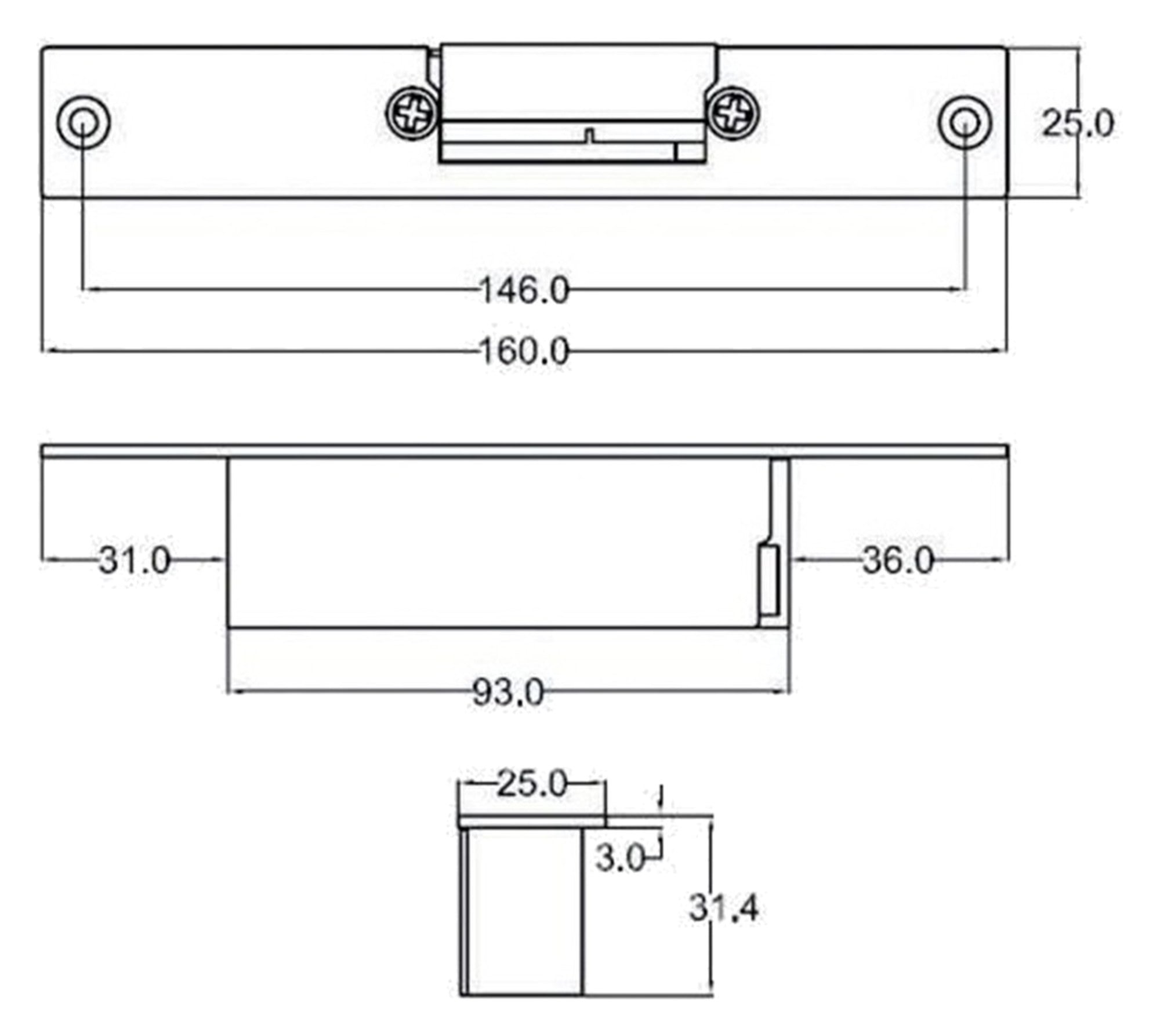
The strike body sits in a pocket cut into the frame and the 160 × 25 × 3 mm steel faceplate screws over it, with fixing holes 146 mm apart. Watchguard's installation sheet shows it fitted to steel, aluminium and timber door frames.

How it goes in

From frame cut to first swipe.

01

Mark the frame

Line the strike up with the door's latch and mark the cut-out and the two fixing holes, 146 mm apart, from Watchguard's installation drawing.

02

Cut the pocket

Cut the pocket for the 93 mm long strike body into the steel, aluminium or timber frame, deep enough for the body to sit flush.

03

Wire the power

Run two-core cable from the reader, controller or intercom relay and connect the 12 VDC lock output to the strike.

04

Fix and test

Screw the faceplate on, close the door and check it stays locked, then release it from the reader or exit button and check the latch passes freely.

Pair it with

What switches and powers it

Reader

Watchguard ACRDR100 reader

A standalone IP55 card reader made to drive electric locks directly, for fail-safe or fail-secure locks. It runs on 12 VDC.

Intercom

Akuvox E12S video doorbell

Its lock relay switches the strike's power supply, so visitors can be let in from the app or a card at the door.

Exit

Watchguard ACDSW100 exit button

A heavy duty release button with NO, NC and COM contacts for the inside of the door.

Power

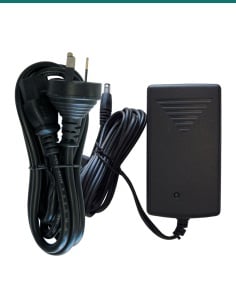
PS5000SM 12 VDC 5 A supply

A 12 VDC switched-mode supply with a 2.1 mm plug, with headroom for a reader plus the strike's 400 mA.

Where it is used

Where it is used

Office entries

Card or PIN entry on a staff door, released by the reader.

Shop back doors

Fail-secure, so the door stays locked through a power cut.

Gates and side doors

Released from an intercom relay when a visitor is let in.

Store rooms

Keep stock and equipment rooms to staff with a card.

Small business upgrades

Replace a key-only door with card entry on a 12 V reader.

Timber and metal frames

Fits steel, aluminium or timber frames per Watchguard's sheet.

ACLOC100 or ACLOC102

ACLOC100 (this strike)ACLOC102
TypeMortise mountMortise mount
Power12 VDC at 400 mA12 VDC at 260 mA
Lock modeFail-secureFail-secure or fail-safe
Lock status sensorNoYes
Door latch9.5 mm12.7 mm
Keeper depth9.6 mm12.7 mm
ConstructionSteelStainless steel
Faceplate160 × 25 × 3 mm165 × 31 × 2 mm
Overall size160 × 25 × 30.8 mm165 × 31 × 40.2 mm

Both are on Watchguard's electronic door strikes datasheet (March 2023).

Common questions

What voltage does the ACLOC100 need?

12 VDC. Watchguard rates it at 400 mA, so the reader's lock output or the power supply must be able to deliver that.

Is it fail-secure or fail-safe?

Fail-secure only. It stays locked when the power is off and releases when 12 VDC is applied. For a strike that can be set either way, see the ACLOC102 or ACLOC105.

Does it have a lock or door sensor?

No. It has no monitoring outputs. The ACLOC102 and ACLOC105 report the lock and door state.

What size is the faceplate?

160 × 25 × 3 mm in steel, with fixing holes 146 mm apart. The strike measures 160 × 25 × 30.8 mm overall.

What latch does it suit?

A 9.5 mm door latch. The keeper depth is 9.6 mm.

What frames can it go in?

Watchguard's installation sheet shows it fitted to steel, aluminium and timber door frames, with the cut-out dimensions for the pocket.

Is it surface mount?

No, it is a mortise strike: the body sits in a pocket cut into the frame. The ACLOC101 is the surface mount version with the same 12 VDC, fail-secure electrics.

Will it work with a standalone reader?

Yes. Readers such as the Watchguard ACRDR100 drive the lock output directly and work with fail-secure locks. Check the reader's lock output can supply 400 mA at 12 V.

Can an intercom open it?

Yes, through the intercom's lock relay. The relay switches the strike's 12 VDC supply, as on the Akuvox E12S.

What comes in the box?

The ACLOC100 strike. Watchguard doesn't list the other contents, so confirm the fixings with us if you need them.

Can it be used outdoors?

Watchguard publishes no weather rating for it. Fit it to a sheltered door, or ask us about your site.

Who should install it?

A security or access control installer. Fitting access control for others needs a security licence in most states, and concealed cabling should be run by a registered cabler.

Supported by InFront Technologies.

Need help matching the strike to your reader, intercom or power supply? Call 1300 736 970 or email [email protected]. The datasheet is on the Attachments tab.

Installation and safety

Low voltage only. 12 VDC. Never connect the strike to mains.

Exit doors. A fail-secure strike stays locked when power fails. On a door that is an exit path, check the building code and fire rules with a licensed installer first.

Licensing and cabling. Installing access control for others needs a security licence in most Australian states. Concealed cabling should be installed by a registered cabler.

What it does not do. No fail-safe mode, no lock or door sensor, and no power supply included. Watchguard publishes no weather rating.

Figures. From Watchguard's electronic door strikes datasheet (March 2023) and the ACLOC100 installation sheet and drawing.

Construction
Steel
Door Latch
9.5mm
Faceplate Dimensions
160 x 25 x 3mm
Keeper Depth
9.6 mm
Lock Configuration
Fail secure
Lock Status Sensor
No
Overall Dimensions
160 x 25 x 30.8mm
Power input
12VDC at 400mA
Type
Mortise Mount
INFRONTTECH Promotional Banner INFRONTTECH Promotional Banner INFRONTTECH Promotional Banner

Need help choosing?

Tell us about your property and we'll recommend the right cameras and recorder.

07 5609 4910

Sydney 02 8814 6008
[email protected]

Mon–Fri, 9am–5pm AEST

Saved to your wishlist Find it any time in your account. View list