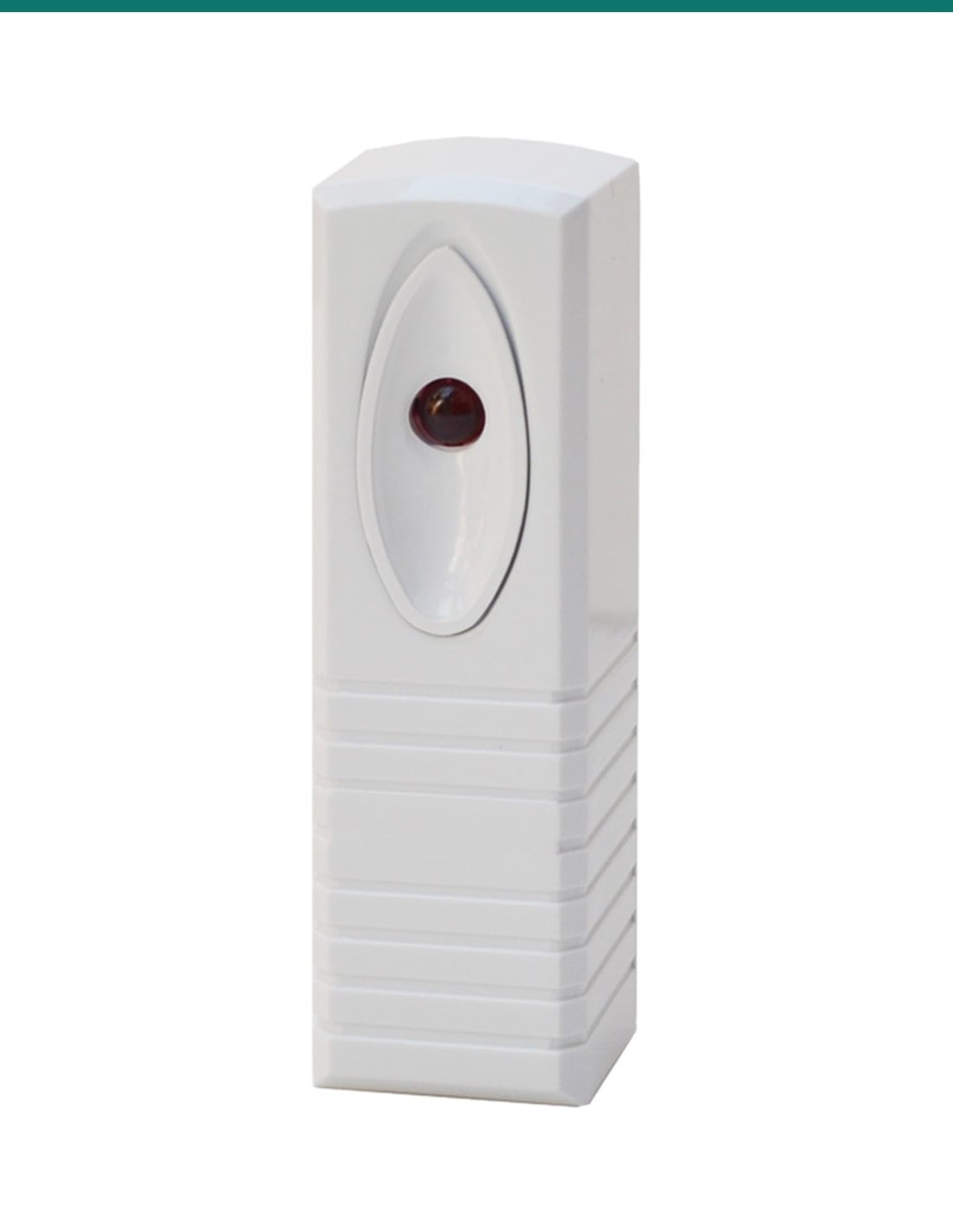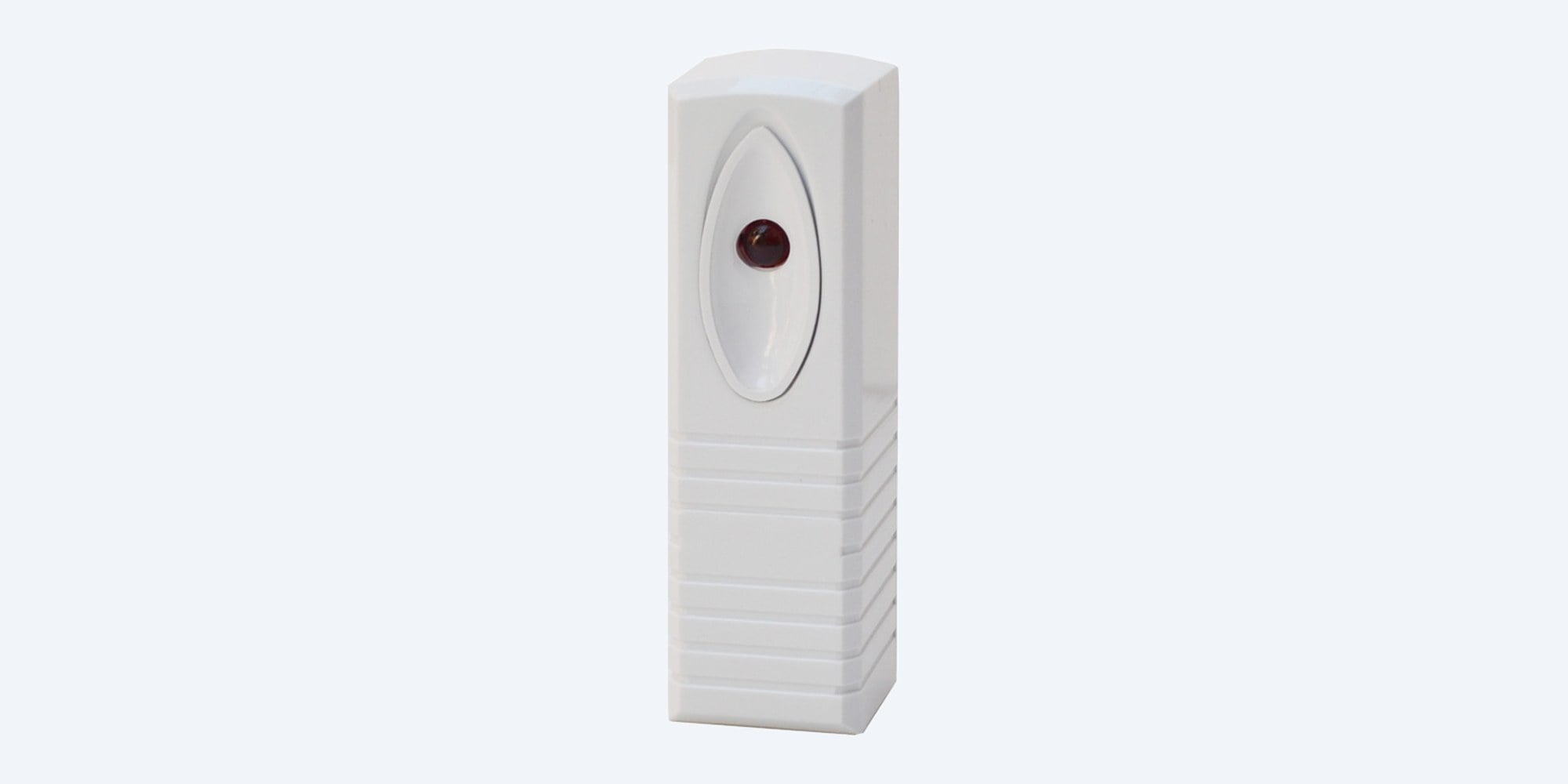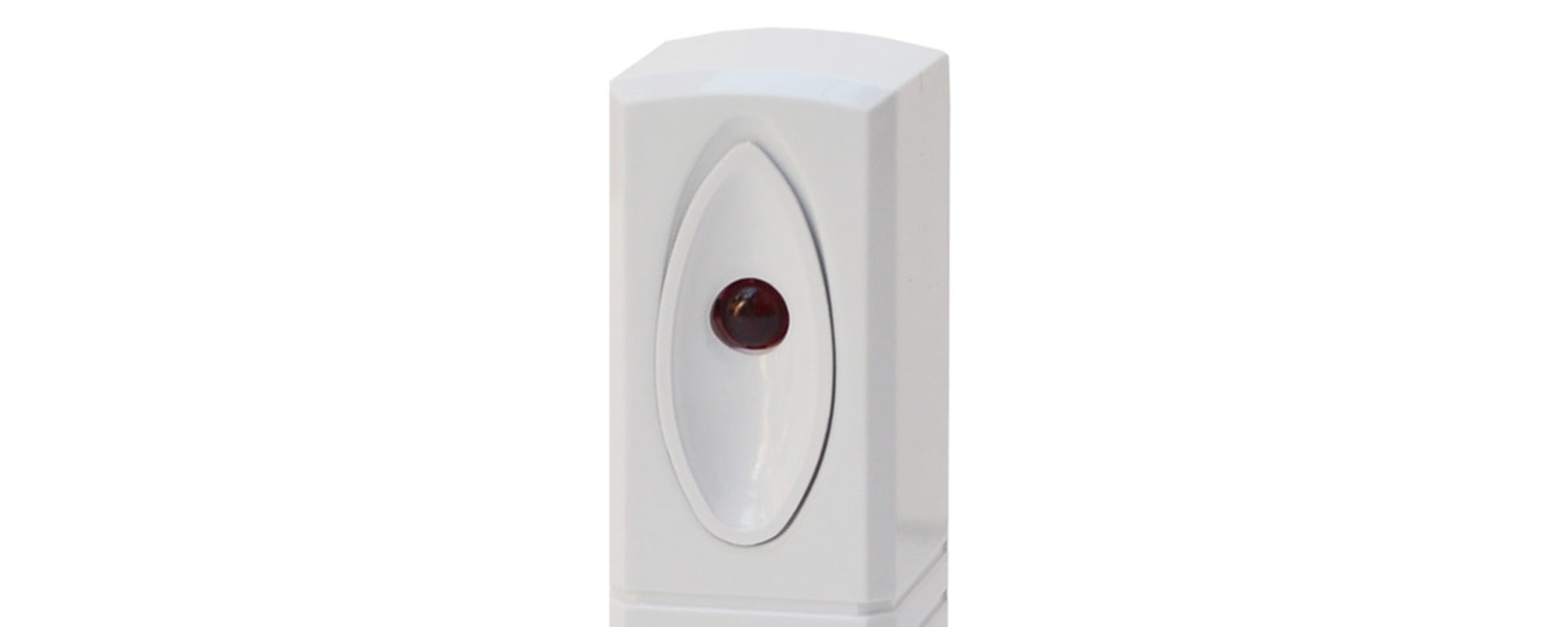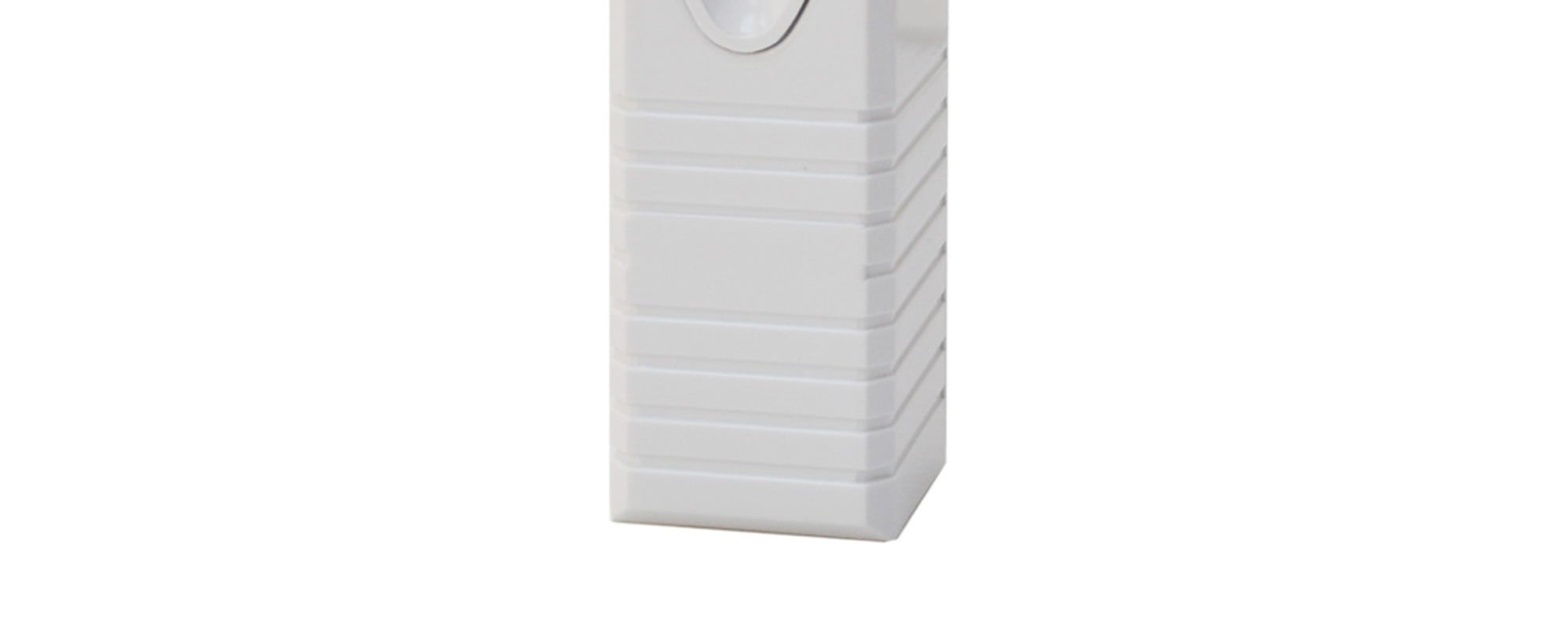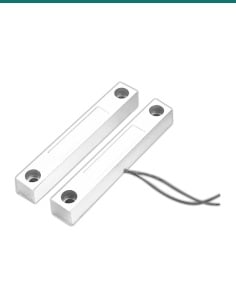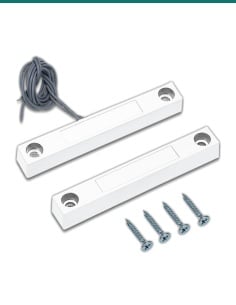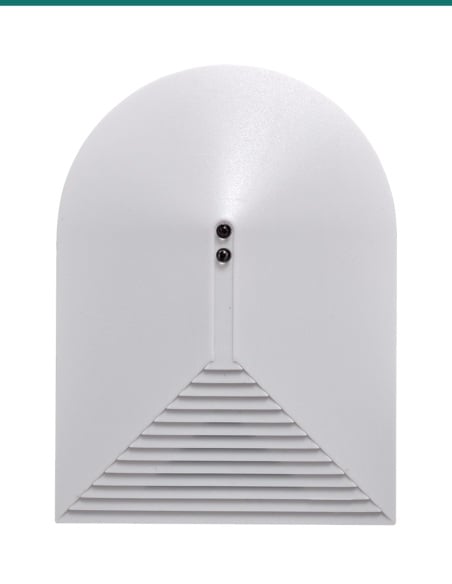
Watchguard SHOCKHW: a hardwired shock sensor that senses an attack on the window frame, door or surface it is fixed to.
- ✓Photo-electric vibration sensor, adjustable sensitivity
- ✓Alarm LED for setting up and testing
- ✓9 to 16 V DC, 11 mA at 12 V
- ✓NC alarm and NC tamper contacts, 0.1 A at 24 V
- ✓85 × 26 × 25 mm, surface mount
Description

Feels the attack.
On the window, door or ATM it's fixed to.
The Watchguard SHOCKHW is a hardwired shock sensor. Fixed to a window frame, door or machine, it senses the vibration of someone forcing or smashing it and opens its alarm contact.
In one sentence: the Watchguard SHOCKHW is a 9 to 16 V DC hardwired shock sensor, 85 × 26 × 25 mm, with adjustable sensitivity, an alarm LED and normally closed alarm and tamper contacts for wired alarm panels.
Sensor only. The alarm panel and cable are separate.
This listing is one SHOCKHW shock sensor. It takes 9 to 16 V DC from the alarm panel and connects to a zone input.
- SHOCKHW shock sensor
- A hardwired alarm panel with a free zone and a 12 V auxiliary supply
- Alarm cable with cores for power, the alarm contact and tamper
- Screws to suit the surface it is fixed to
It trips before the glass gives way.
A reed switch waits for the window to open. The SHOCKHW reacts to the blows and prying that come first, so the alarm can sound while the intruder is still outside. Sensitivity is adjustable to suit the surface and the site.

Front
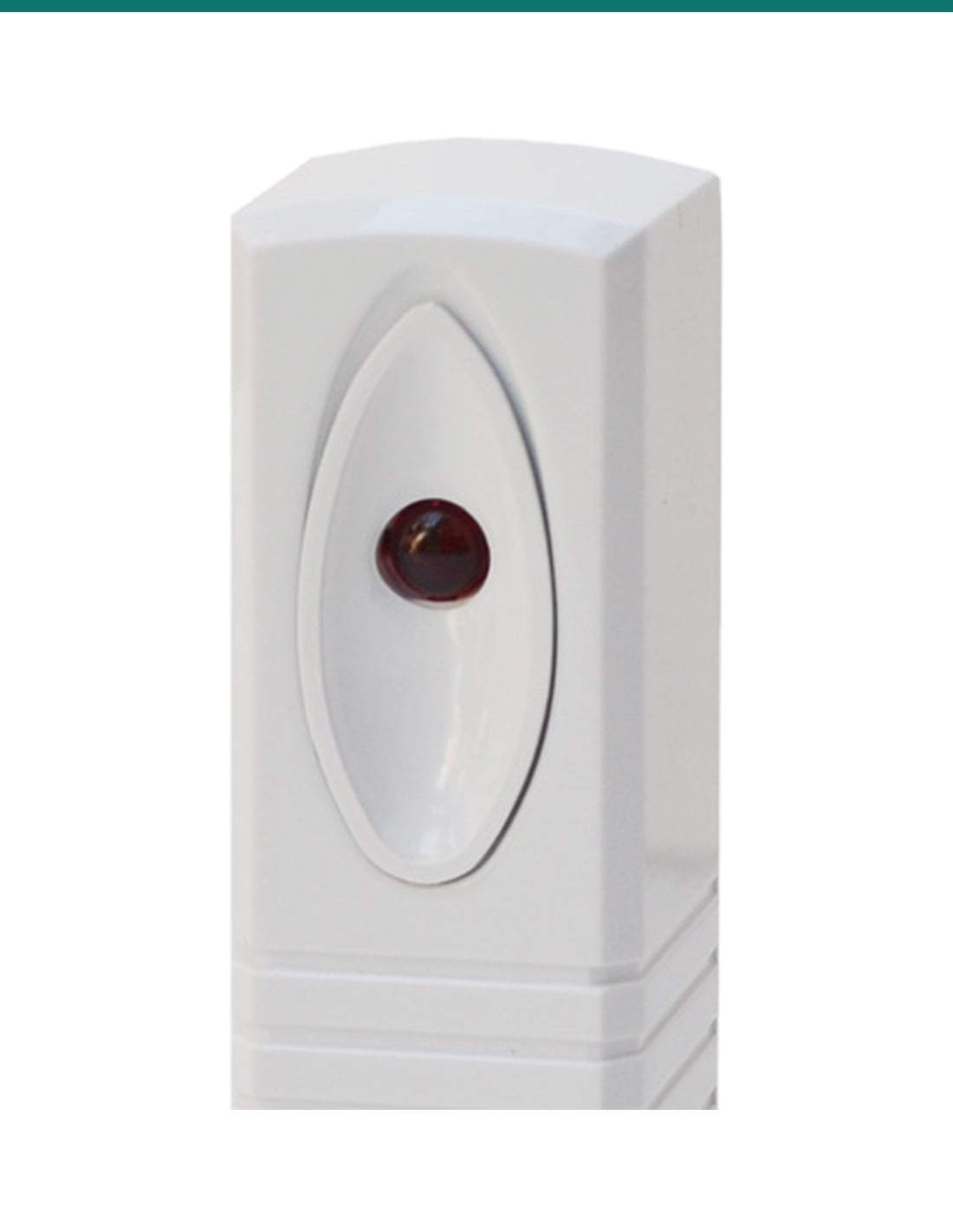
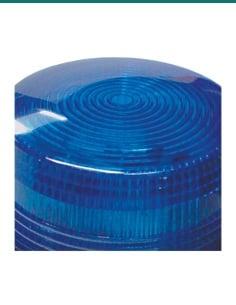
Alarm LED behind the window.
The red LED shows when the sensor has detected a shock, which makes setting the sensitivity a one-person job. Close-up from Watchguard's product photo.

Case
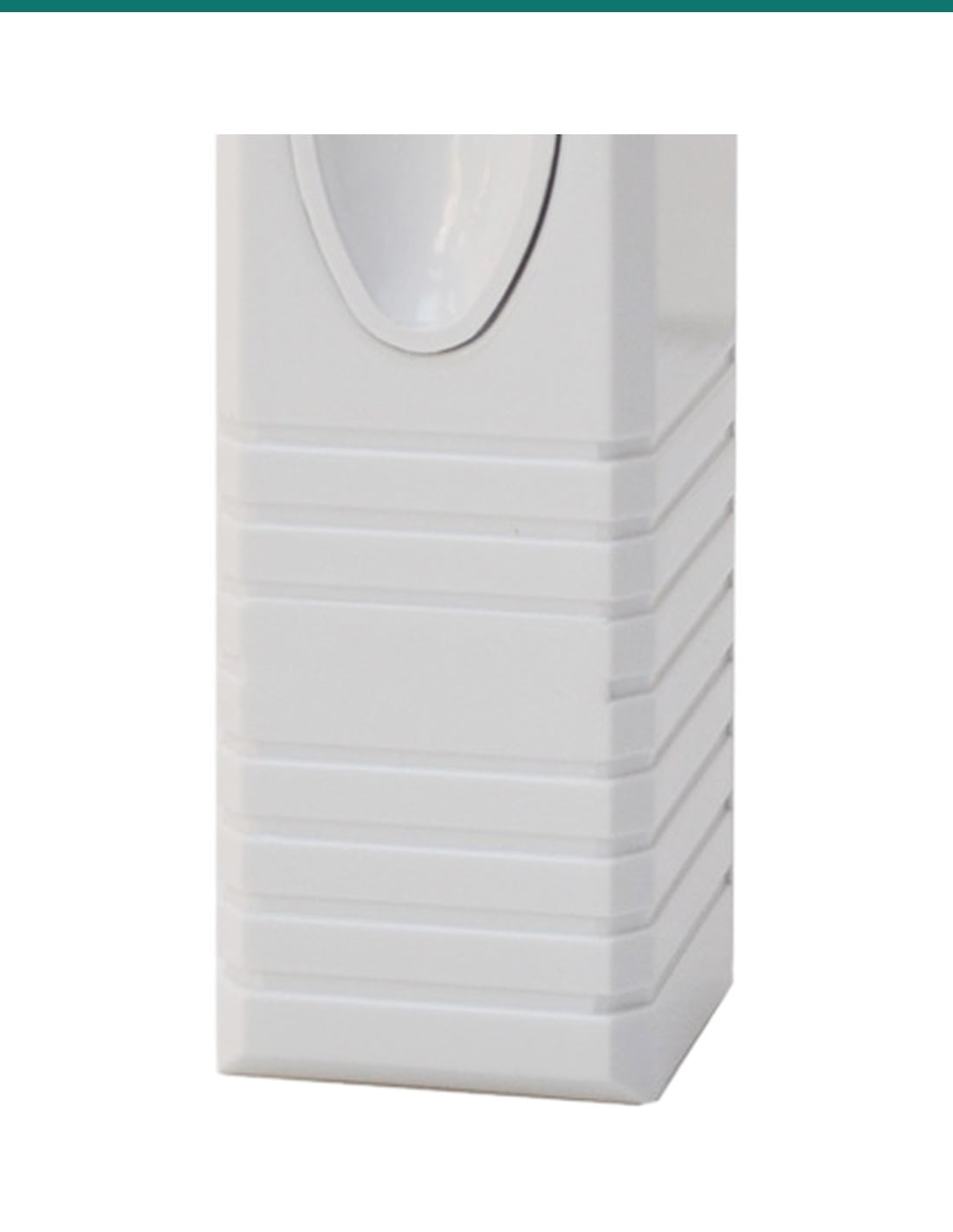
85 × 26 × 25 mm, surface mount.
The slim case screws to the frame or surface. Cable enters through a knockout at the bottom or the side, to the terminal block for 12 V, the alarm contact and tamper.
How it goes in
From frame to first test.
01
Open it up
Open the screw cover, loosen the screw and lift off the front cover. Punch out the knockout at the bottom or side for the cable.
02
Fix and wire
Screw the base to the window frame, door or surface to protect. Connect 12 V, the NC alarm contact and the NC tamper contact.
03
Set sensitivity
Set the sensitivity control, refit the cover, then power up and wait at least 2 minutes for the sensor to settle.
04
Test and lock
Test on the protected surface and watch the LED, adjusting until it trips at the right point. Then tighten the holding screw.
At a glance
SHOCKHW
Show specs
Type
Hardwired shock (vibration) sensor
Sensing
Photo-electric vibration sensor with microprocessor false alarm filtering
Sensitivity
Adjustable
Indicator
Alarm LED
Power
9 to 16 V DC
Current
11 mA at 12 V
Alarm contact
Normally closed dry contact, 0.1 A at 24 V
Tamper contact
Normally closed dry contact, 0.1 A at 24 V
Alarm time
2.2 s minimum
Warm-up
Under 2 minutes
Operating range
−20 °C to 50 °C (storage −20 °C to 60 °C)
Mounting
Surface; cable through a bottom or side knockout
Size
85 × 26 × 25 mm
Warranty
1 year
Pair it with
What it works with
Alarm panel
A hardwired panel zone
Any panel with wired zone inputs and a 12 V auxiliary supply, such as the Bosch Solution 3000 (ICP-SOL3-P).
Large glass
ALE-GBD glass break detector
Covers several panes from one ceiling or wall position, where fitting a shock sensor to each frame isn't practical.
Doors and windows
RSW-M1 reed switches
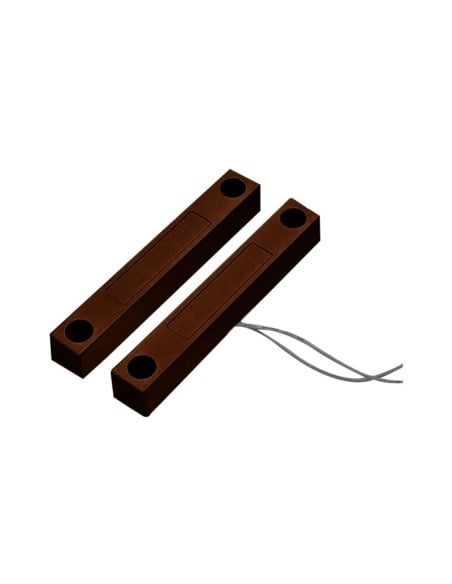
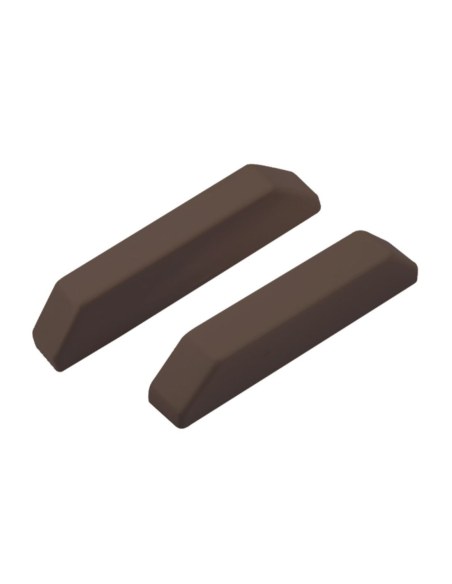
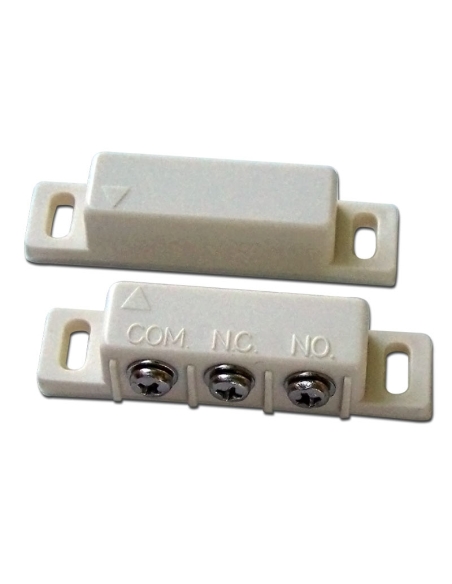
Watchguard's heavy duty reed switches (silver RSW-M1, white RSW-M1W, brown RSW-M1B) catch the door or window being opened.
Inside the room
ALH-PIRMW detector
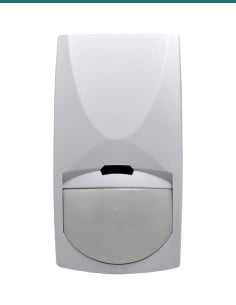
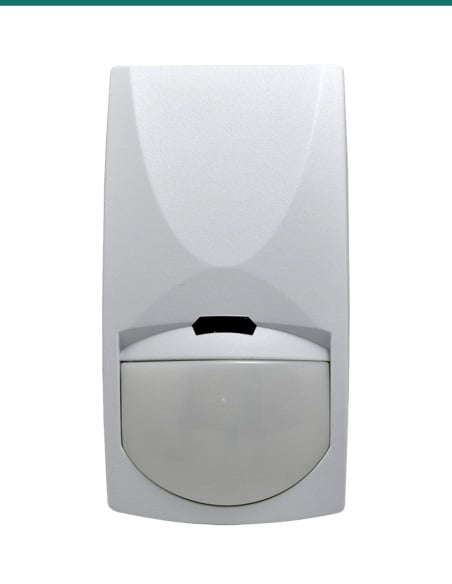
A Watchguard dual technology PIR and microwave detector covers anyone who does get inside.
Where it is used
Where it is used
Windows
On the frame of a window that could be forced or smashed.
Doors
Rear and side doors that might be jemmied or kicked.
ATMs
Senses an attack on the machine itself, as Watchguard's manual shows.
Shopfronts
Frames of street-facing glass on a wired shop alarm.
Sheds and garages
Windows and doors on outbuildings with a wired zone.
Offices
Ground-floor office windows and doors on a wired alarm.
SHOCKHW or ALE-GBD
| SHOCKHW (this sensor) | ALE-GBD | |
|---|---|---|
| How it detects | Vibration and shock on the surface it's fixed to | Sound and pressure of breaking glass |
| Where it mounts | On the window frame, door or surface itself | Ceiling or wall facing the glass |
| Power | 9 to 16 V DC | 12 V DC (7.5 to 15 V) |
| Current | 11 mA at 12 V | 5 mA standby, 80 mA alarm |
| Outputs | NC alarm, NC tamper | NC alarm relay, NC tamper |
| Operating range | −20 °C to 50 °C | −10 °C to 50 °C |
| Size | 85 × 26 × 25 mm | 90 × 66 × 25 mm |
Both are Watchguard hardwired glass protection detectors. Figures from each model's instruction manual.
Common questions
What does the SHOCKHW do?
It senses the vibration of an attack on whatever it is fixed to, such as a window frame, door or ATM, and opens its normally closed alarm contact so the panel zone trips.
Where should I mount it?
Directly on the frame, door or surface you want to protect. Watchguard's manual shows it on windows, doors and an ATM.
What power does it need?
9 to 16 V DC. It draws 11 mA at 12 V, normally from the alarm panel's auxiliary supply.
What outputs does it have?
A normally closed alarm contact and a normally closed tamper contact, both dry contacts rated 0.1 A at 24 V.
How long does the alarm signal last?
At least 2.2 seconds, long enough for the panel to register the zone.
How do I set the sensitivity?
Adjust the sensitivity control inside, refit the cover, power it up and wait at least 2 minutes. Test on the protected surface, watch the LED and adjust until it trips at the right point.
Why wait 2 minutes after power up?
The sensor needs up to 2 minutes to stabilise. Testing before then can give false results.
How does the cable get in?
Punch out the knockout at the bottom or the side of the case and feed the cable through to the terminal block.
Shock sensor or glass break detector?
A shock sensor goes on each frame or surface and reacts to blows and forcing. A glass break detector such as the ALE-GBD covers several panes from one spot by listening for breaking glass.
Can it go outdoors?
It works from −20 °C to 50 °C, but Watchguard doesn't publish a weather rating. Mount it indoors or where it is sheltered.
Will it tell me a door was opened?
No. It only senses shock and vibration. Add a reed switch such as the RSW-M1 to catch the door opening.
Can several sensors share one zone?
Yes. Normally closed contacts can be wired in series on one zone, which trips if any of them opens, but the panel can't tell you which one.
Supported by InFront Technologies.
Help choosing between shock and glass break detection: call 1300 736 970 or email [email protected]. The manual is on the Attachments tab.
Installation and safety
Low voltage only. Runs on 9 to 16 V DC from the alarm panel; its contacts are rated 0.1 A at 24 V. Never connect it to mains.
Licensing. Installing alarm systems for others needs a security licence in most Australian states. Check your state's rules.
Testing. Test with firm knocks on the frame, not by breaking glass.
What it does not do. It doesn't detect a door or window being opened and has no published weather rating.
Figures. From Watchguard's SHOCKHW manual and product information.
- Type
- Shock Sensor