There are no more items in your cart
In Stock - Ready to Ship


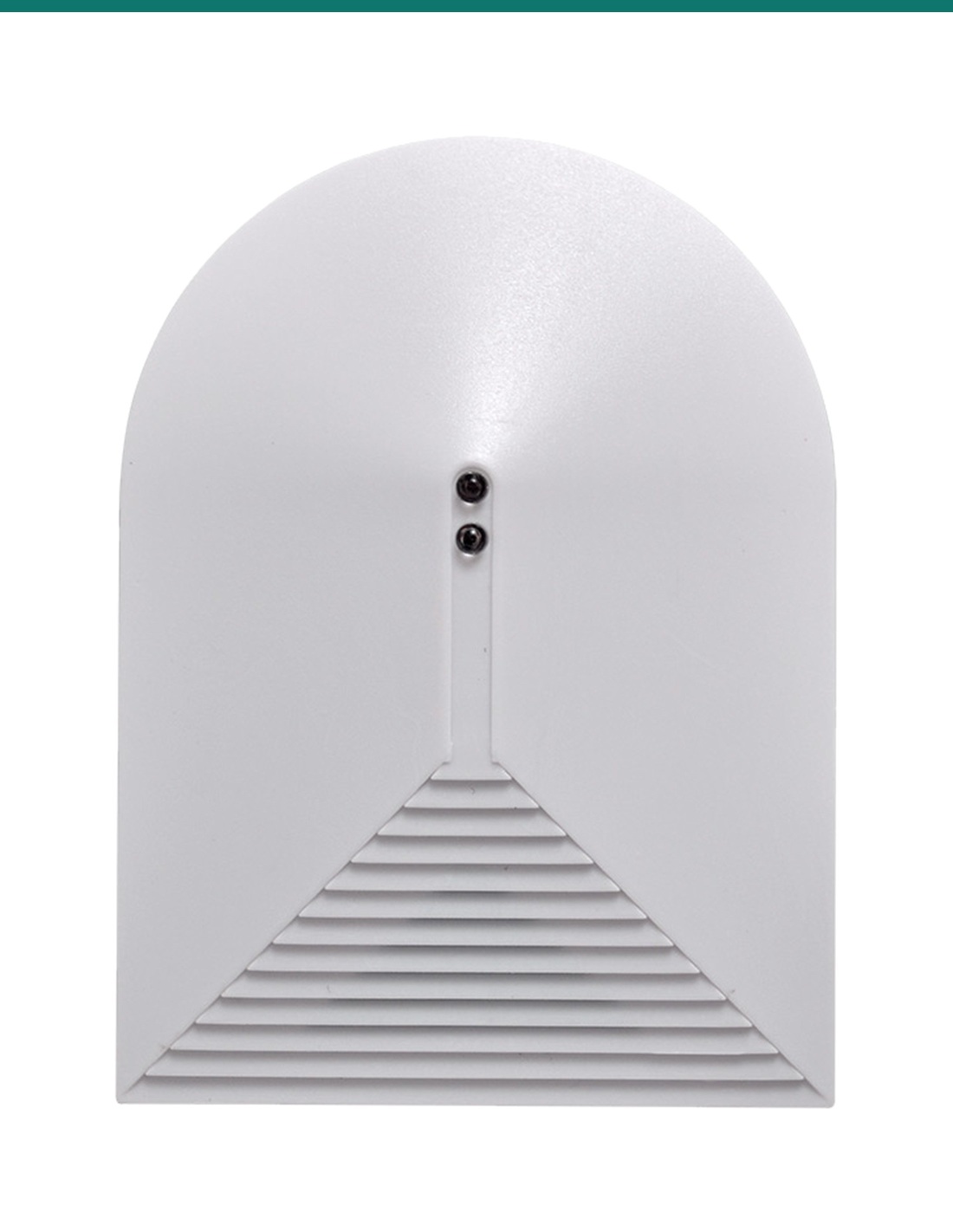
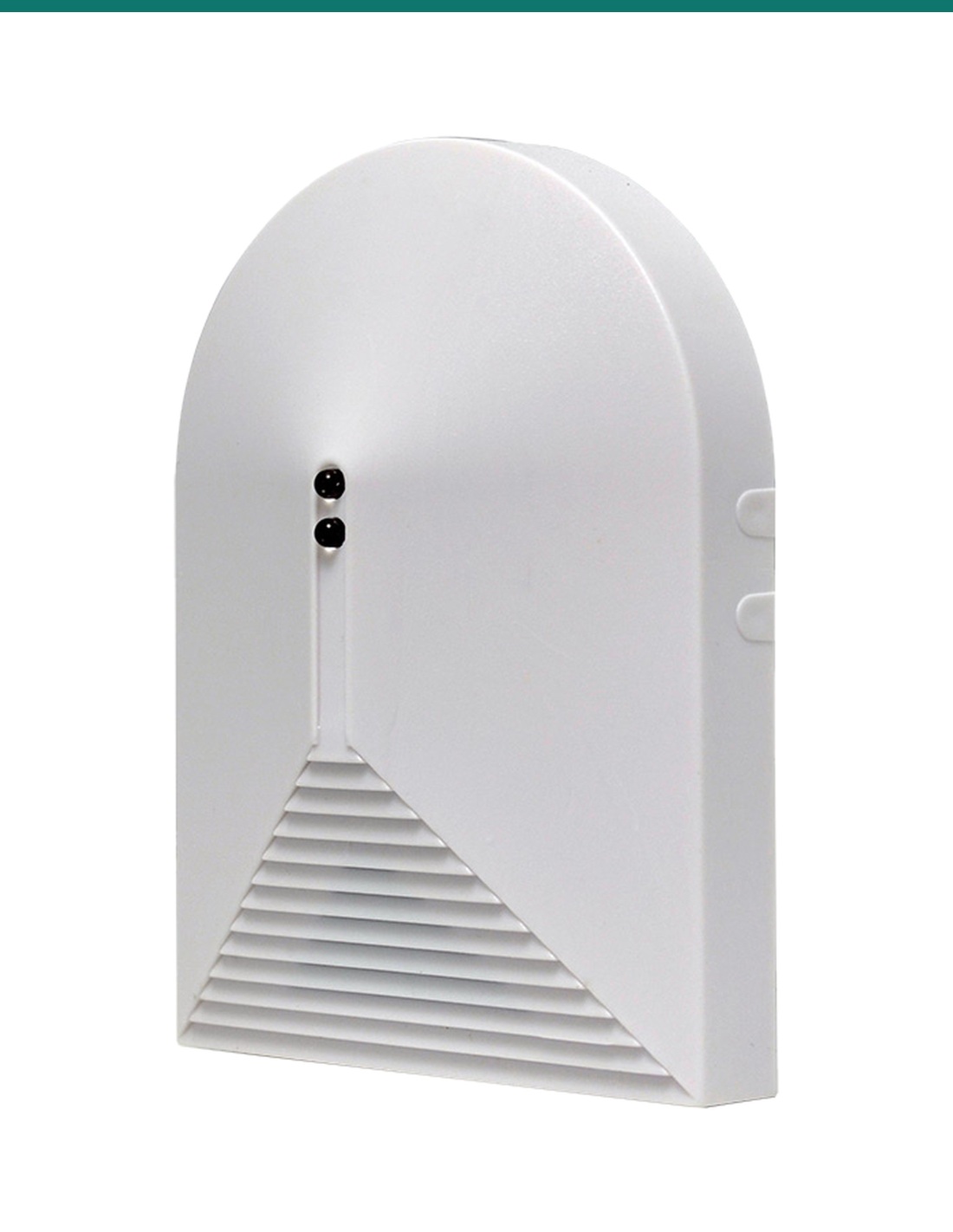
Watchguard ALE-GBD: a hardwired acoustic glass break detector for plate, tempered and laminated glass, with a normally closed alarm relay and tamper output.
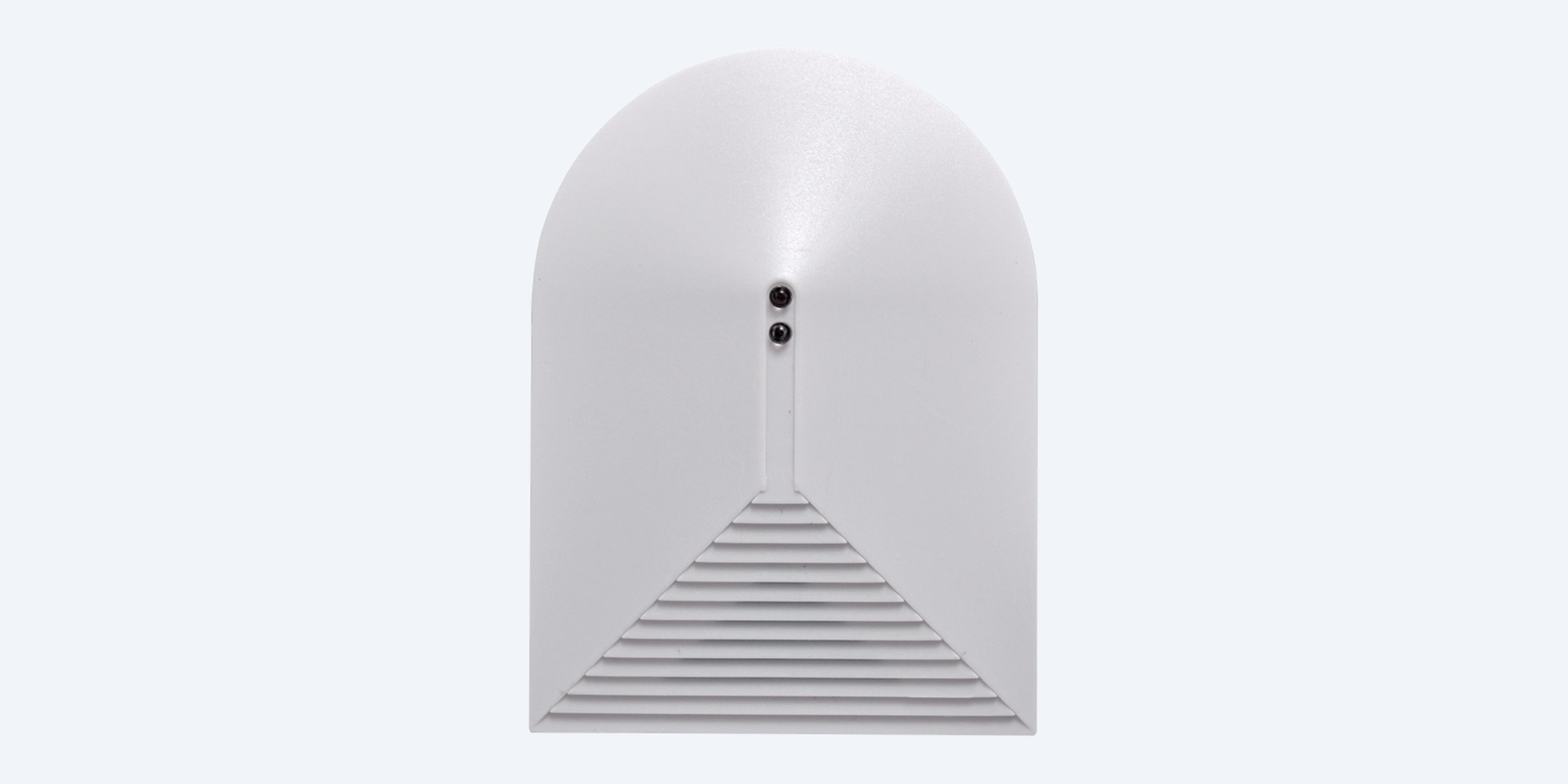
The Watchguard ALE-GBD is a hardwired acoustic glass break detector. It analyses the sound and the pressure pulse of breaking glass, and trips its alarm relay while the intruder is still outside.
In one sentence: the Watchguard ALE-GBD is a 12 V DC hardwired glass break detector that uses 7 frequency sound and infra-sound impact analysis to protect plate, tempered and laminated glass, with a normally closed alarm relay and tamper output.
Detector only. The alarm panel and cable are separate.
This listing is one ALE-GBD detector. It needs 12 V DC from the alarm panel and a zone input for its alarm relay.
Door and window contacts only trip when something opens. A broken window doesn't open anything. The ALE-GBD listens for the break itself, so the alarm sounds before an intruder is inside and before a motion detector would see them.

Case
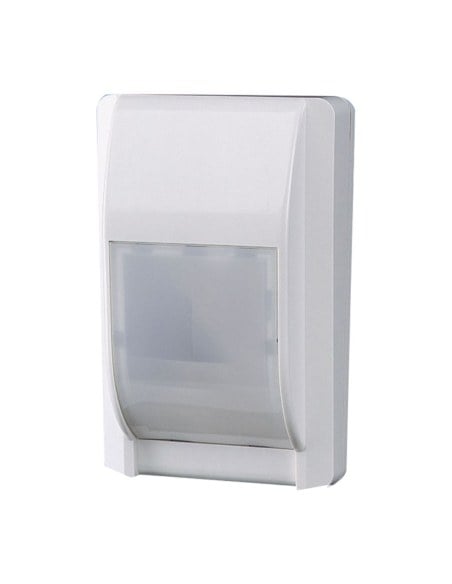
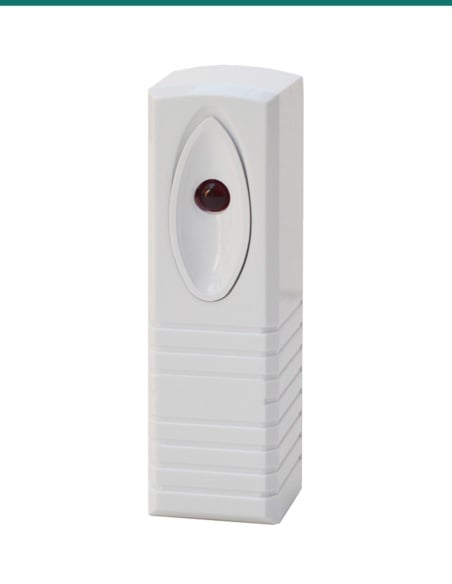
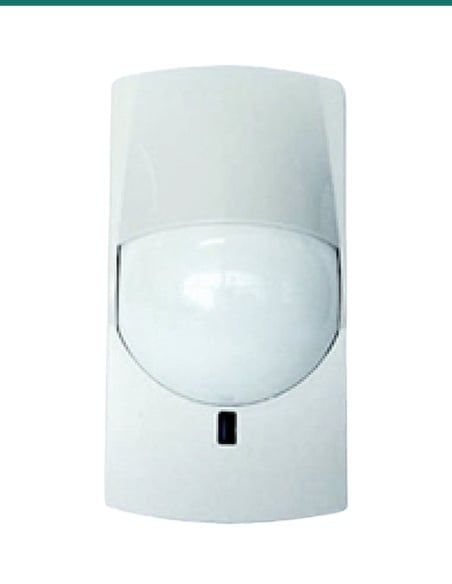
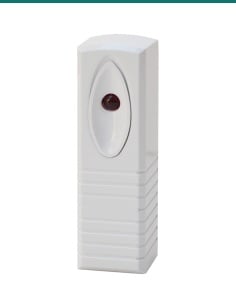
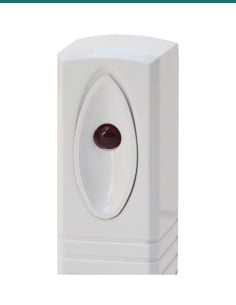
The slim case mounts on a wall or ceiling. The microphone side must face the glass with a clear view. A yellow LED shows the room's noise level and a red LED shows an alarm.

Inside
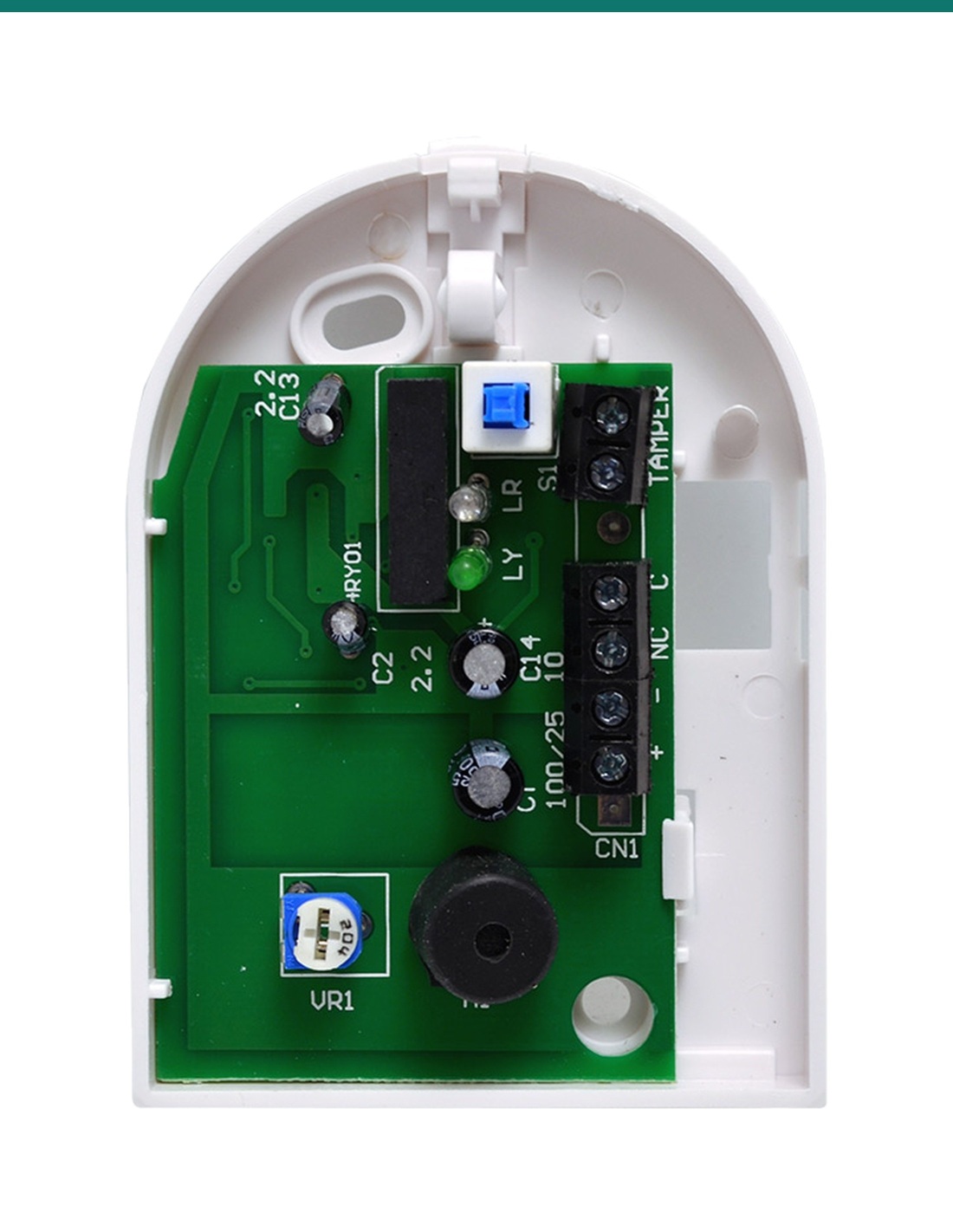
With the cover off: the terminal block for 12 V power, the normally closed alarm relay and the normally closed tamper output, plus the VR control for setting sensitivity with a small screwdriver.
How it goes in
01
Mount it on the ceiling or a wall beside or opposite the glass, microphone facing the glass. Keep it away from bells, fans, compressors and loud machinery.
02
Press the opening pin to take the cover off and feed the cable through a back or side hole. Connect 12 V, the alarm relay (COM and NC) and the tamper output.
03
Screw the base in place. Snap a thin plastic ruler against the glass: the yellow LED should light but not the red. Adjust the VR control until it does.
04
Refit the cover, then use a glass break simulator or a harder ruler snap: the red LED should light and the zone trip. Retest when curtains or furniture change.
At a glance
Show specs
Type
Hardwired acoustic glass break detector
Detection
Full audio spectrum, 7 frequency signal and impact analysis, including infra-sound pressure
Processing
8/12 bit microprocessor digital signal processing (8 MHz)
Glass types
Plate, tempered and laminated
Interference
Digital RFI/EMI filtering
Sensitivity
Manual adjustment (VR control)
Indicators
Yellow LED for room noise level, red LED for alarm
Alarm output
Normally closed relay contact
Tamper output
Normally closed contact
Power
12 V DC (7.5 to 15 V)
Current
5 mA standby, 80 mA in alarm
Operating range
−10 °C to 50 °C
Case
ABS fire-resistant plastic
Size
90 × 66 × 25 mm
Warranty
2 years
Pair it with
Alarm panel
Any panel with wired zone inputs and a 12 V auxiliary supply, such as the Bosch Solution 3000 (ICP-SOL3-P). Don't use a 24 hour zone.
Doors and windows
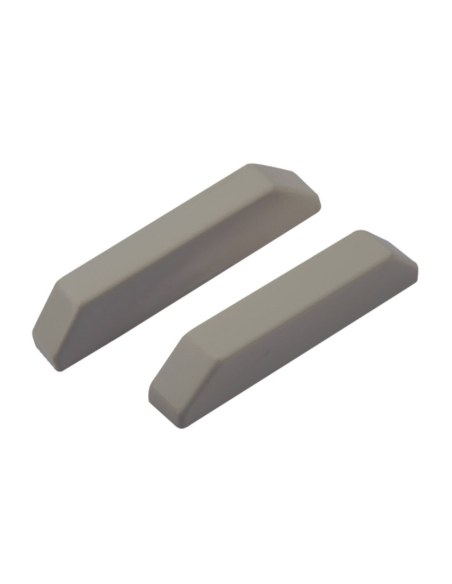
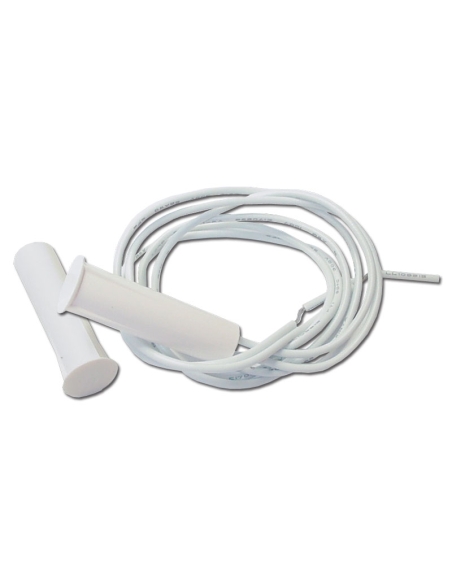
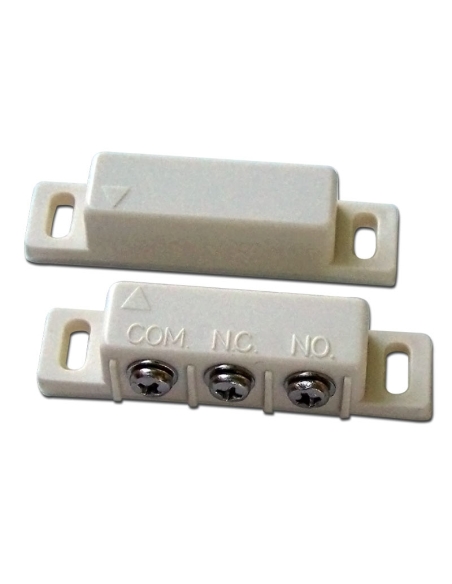
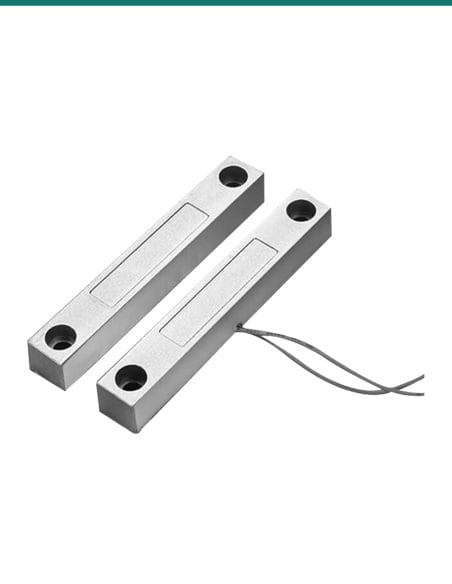
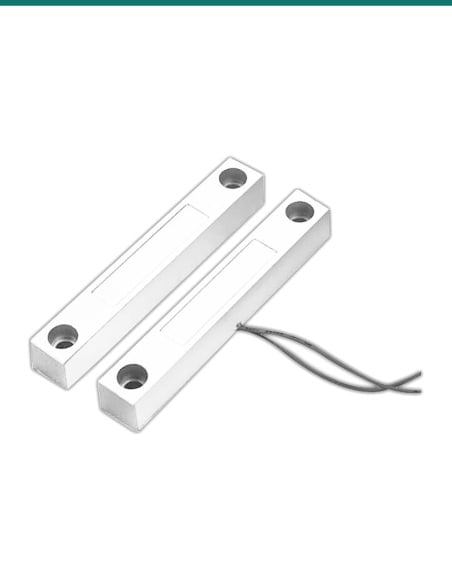
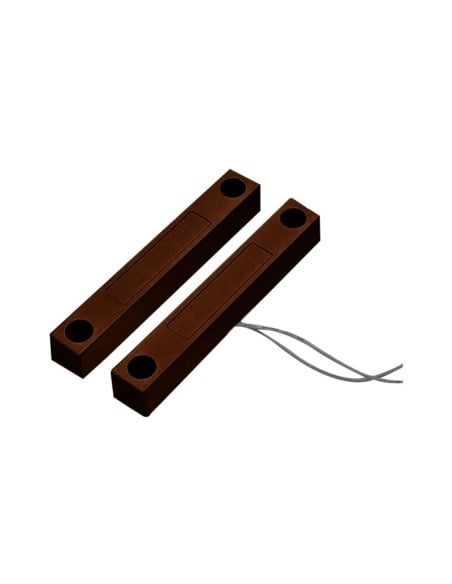
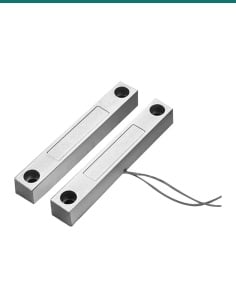
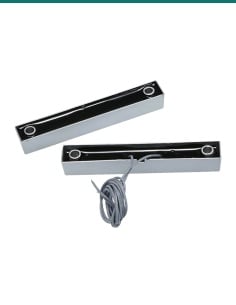
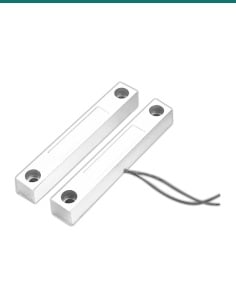
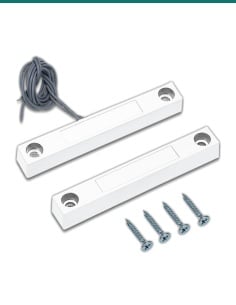
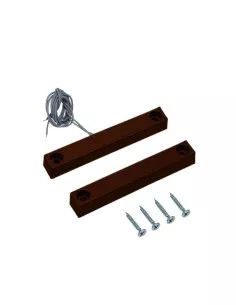
Watchguard's heavy duty reed switches (silver RSW-M1, white RSW-M1W, brown RSW-M1B) catch the door or window being opened.
Single panes
Mounts on the frame and feels the impact, for a single window that the glass break detector can't face.
Inside the room
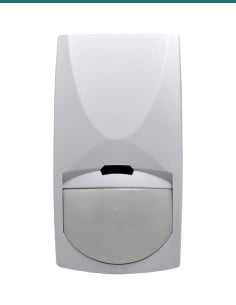
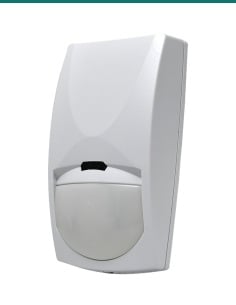
A Watchguard dual technology PIR and microwave detector covers anyone who does get inside.
Where it is used
Large display windows that an intruder would smash rather than open.
Living areas with big sliders onto a deck or yard.
Several panes covered from one ceiling position, each one tested.
Street-facing windows and glass partitions.
Glass frontages that are dark and empty overnight.
Glass display panels in shops, galleries and clubs.
| ALE-GBD (this detector) | SHOCKHW | |
|---|---|---|
| How it detects | Sound and pressure of breaking glass | Vibration and shock on the surface it's fixed to |
| Where it mounts | Ceiling or wall facing the glass | On the window frame, door or surface itself |
| Power | 12 V DC (7.5 to 15 V) | 9 to 16 V DC |
| Current | 5 mA standby, 80 mA alarm | 11 mA at 12 V |
| Outputs | NC alarm relay, NC tamper | NC alarm, NC tamper |
| Operating range | −10 °C to 50 °C | −20 °C to 50 °C |
| Size | 90 × 66 × 25 mm | 85 × 26 × 25 mm |
Both are Watchguard hardwired glass protection detectors. Figures from each model's instruction manual.
It analyses sound across the full audio spectrum, checking 7 frequencies plus the low-frequency pressure pulse (infra-sound) of the impact. Looking for both helps it ignore ordinary noise.
Plate, tempered and laminated glass, according to the instruction manual.
Watchguard doesn't publish a range in metres. Mount it in the same room with a clear view of the glass, inside the detection angle shown in the manual, and test every pane.
On the ceiling or a wall beside or opposite the glass, with the microphone side facing it. Keep it away from bells, fans, compressors and loud machinery.
No. The instruction manual says not to connect it to 24 hour protection zones. Put it on a normal armed zone.
12 V DC, working from 7.5 to 15 V. It draws 5 mA on standby and 80 mA in alarm, normally from the panel's auxiliary supply.
A normally closed alarm relay (COM and NC) for the zone and a normally closed tamper contact for the tamper loop.
Snap a thin plastic ruler against the glass. The yellow LED should light but not the red. If the red lights, turn the VR control anticlockwise; if the yellow doesn't, turn it clockwise.
Yellow flashes when the room's noise is high enough to risk false alarms. Red shows the detector has sent an alarm.
Yes. Set and test it with curtains as they are when the alarm is armed, and retest when curtains or furniture change.
No. It only detects breaking glass. Fit a reed switch such as the RSW-M1 to the window or door to catch it opening.
The instruction manual on the Attachments tab is the original maker's manual for this detector, which it calls Glasstrek. Its features, wiring and specifications are those of the ALE-GBD.
Help placing detectors or wiring the zone: call 1300 736 970 or email [email protected]. The instruction manual is on the Attachments tab.
Low voltage only. Runs on 12 V DC (7.5 to 15 V) from the alarm panel. Never connect it to mains.
Licensing. Installing alarm systems for others needs a security licence in most Australian states. Check your state's rules.
Testing. Don't break glass to test it. Use the ruler method or a glass break simulator, as the manual describes.
What it does not do. It doesn't detect a window or door being opened, has no published range in metres, and is rated −10 °C to 50 °C.
Figures. From the ALE-GBD instruction manual and Watchguard's product information.







Need help choosing?
Tell us about your property and we'll recommend the right cameras and recorder.
07 5609 4910Sydney 02 8814 6008
[email protected]
Mon–Fri, 9am–5pm AEST
20 related items