There are no more items in your cart
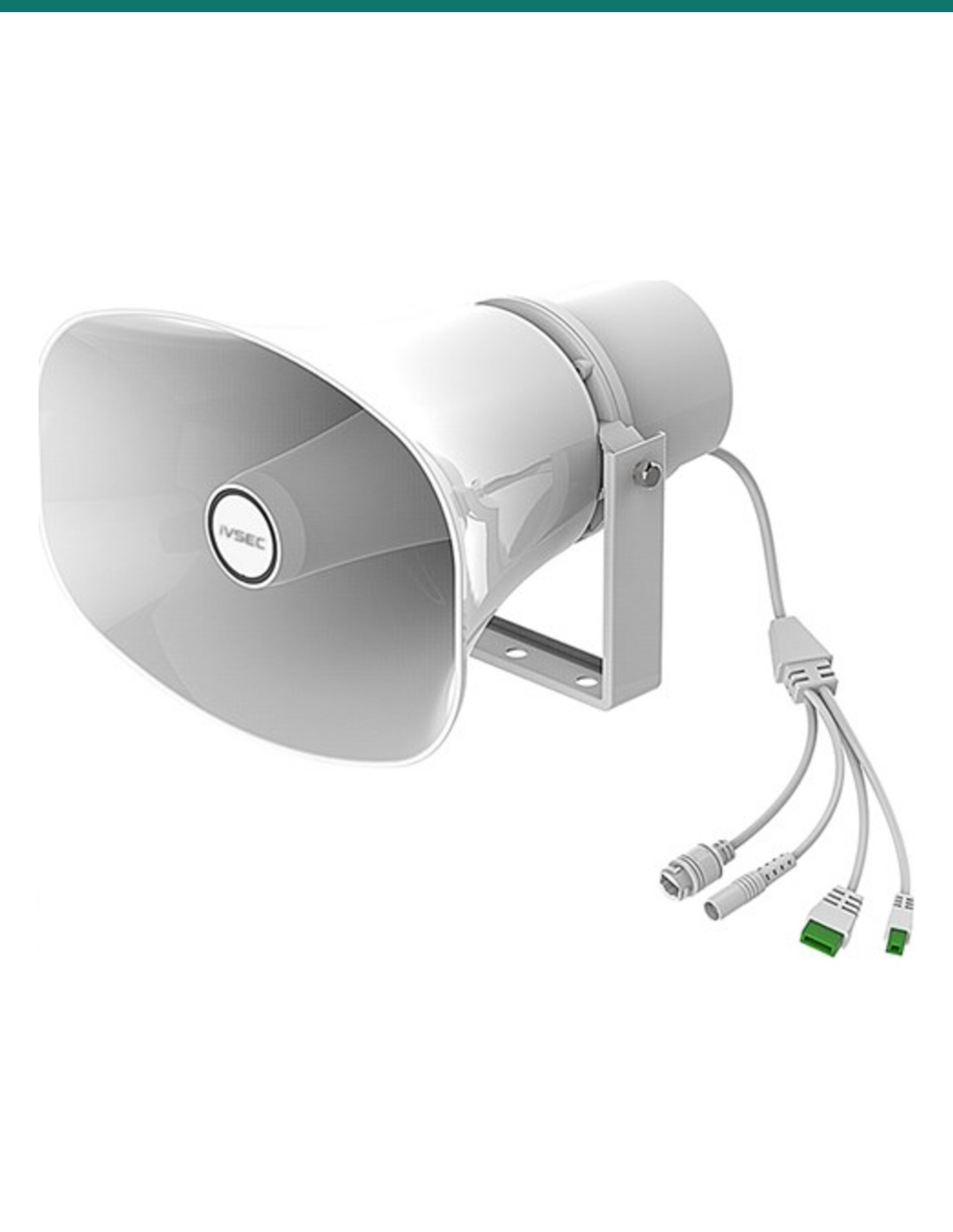
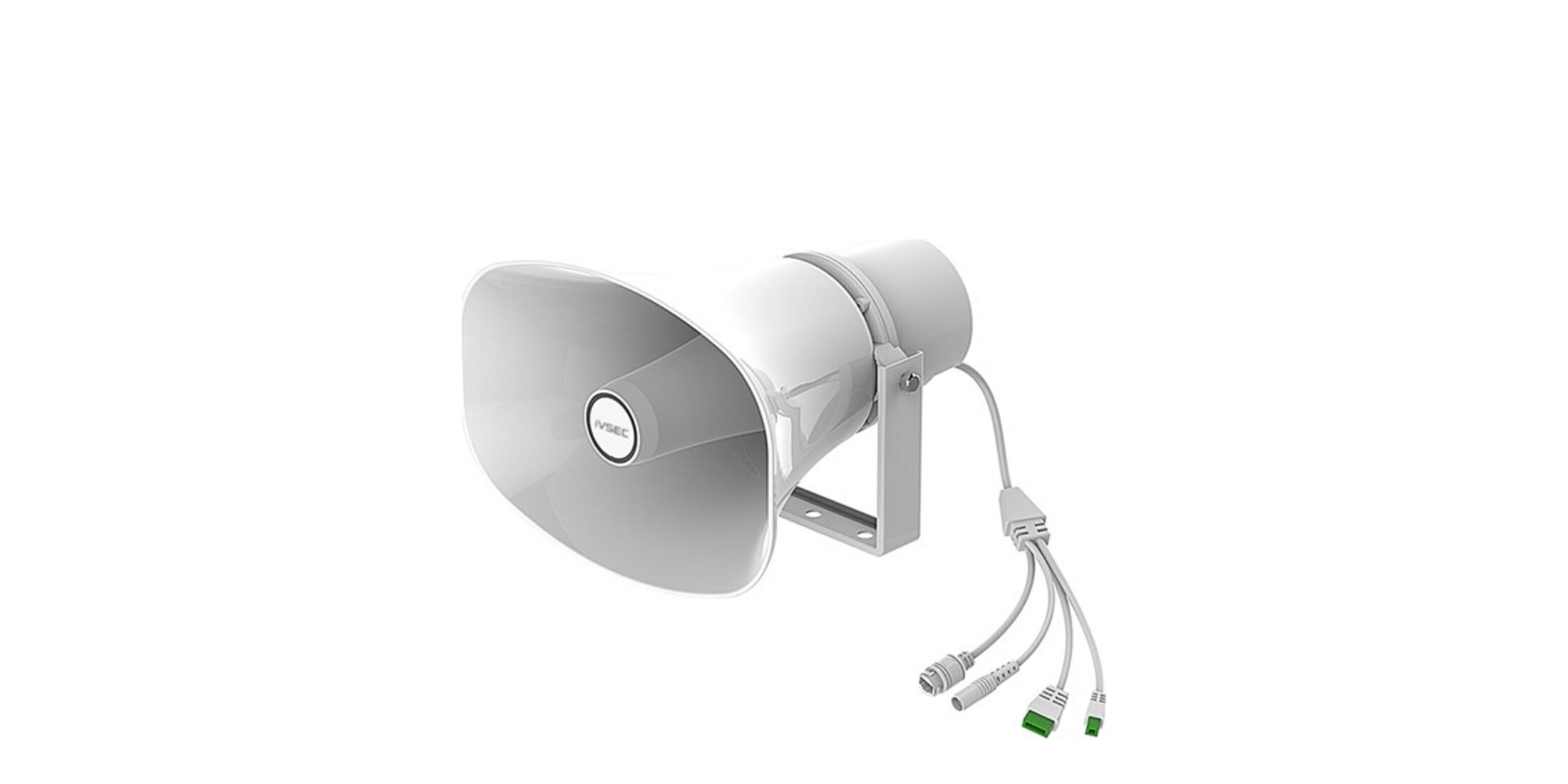


The IVSEC IVNS100YA is a 30 W IP66 SIP horn speaker for outdoor paging, scheduled announcements and emergency alerts. It runs on PoE, PoE+ or 24 VDC, supports multicast, and includes a built-in mic plus alarm I/O for security-system integration.
The IVSEC IVNS100YA (NS100YA) is a commercial IP horn speaker for outdoor paging, scheduled announcements and emergency alerts. Up to 30 W output, IP66 weather protection, SIP / multicast networking and a built-in microphone for two-way talk — all in a wall-mount horn built for yards, docks, campuses and perimeter runs.
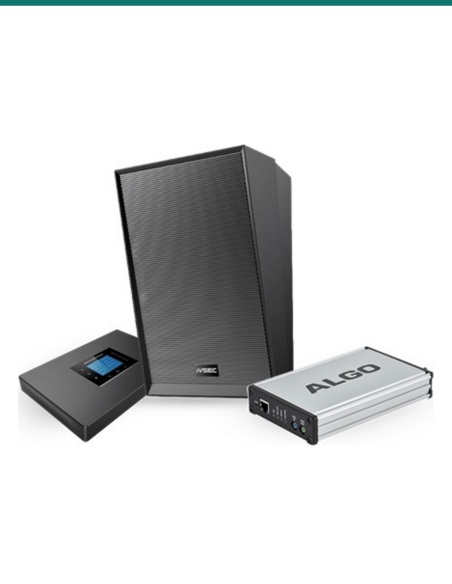
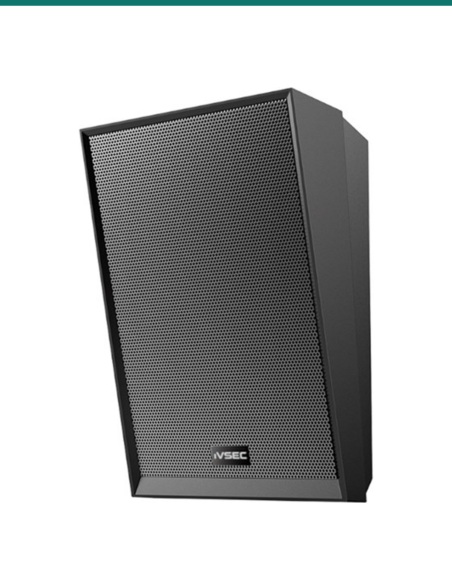
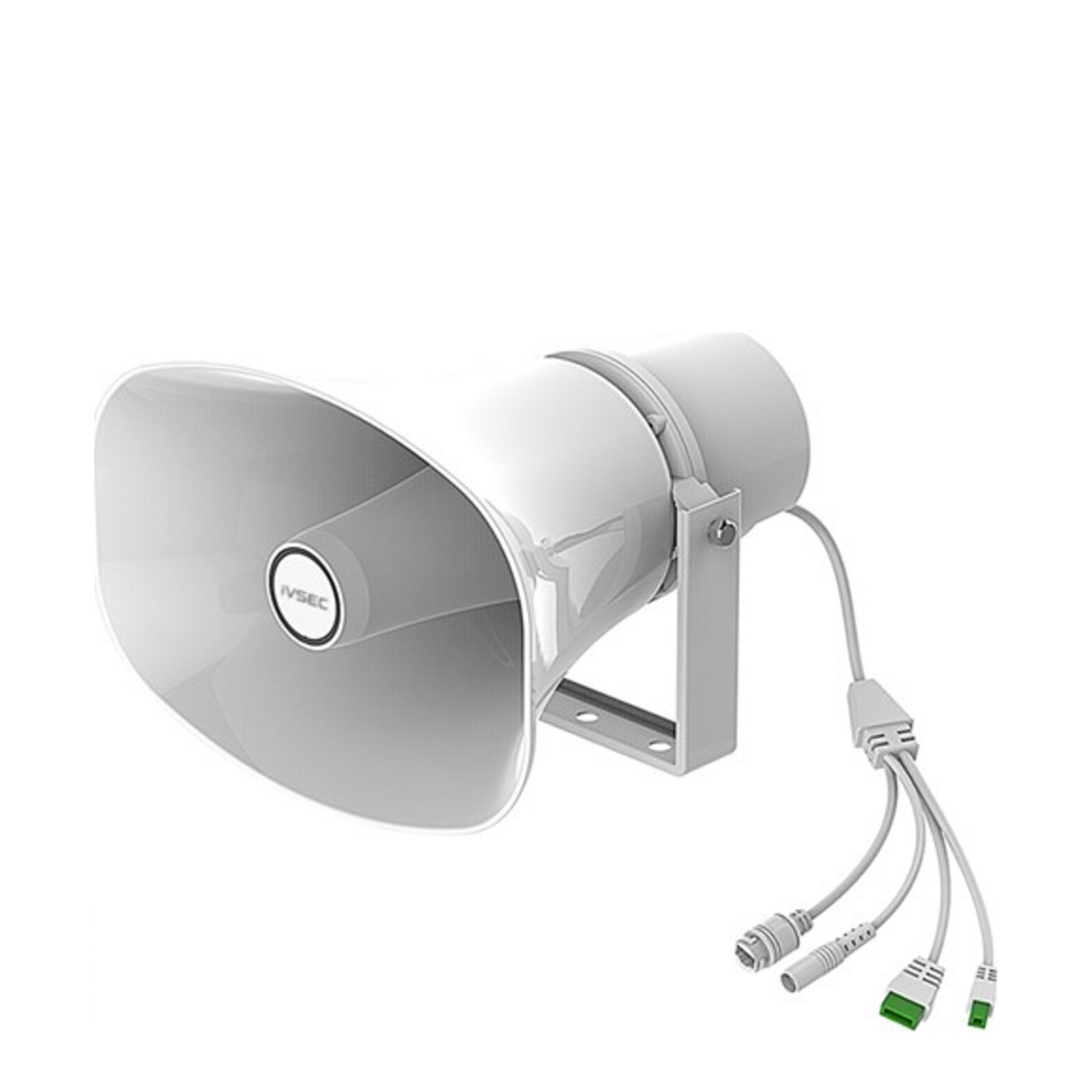
Product shot may differ from the actual product.
ADD-ON SPEAKER — NEEDS NETWORK / SIP PLATFORM
This is a network audio endpoint, not a complete PA kit. You need Ethernet (PoE preferred) and a compatible SIP server, IP intercom / broadcast platform, or multicast paging source to drive live or scheduled audio.
Unsure on SIP registration or PoE budget? See At a glance below or contact us before ordering.
Use it where a cabinet speaker will not throw far enough — school yards, loading docks, car parks, warehouses, gatehouses and outdoor muster points. The NS100YA focuses on intelligible paging and alerts, not hi-fi background music.
Output · 01
Power scales with how you feed it: 8 W on PoE, 15 W on PoE+, and 30 W on 24 VDC / 2 A. Frequency response is 350 Hz–7.5 kHz with 8 Ω impedance — tuned for voice and alert tones across outdoor noise.
HD codecs (G.711, G.722, Opus and more) keep speech clear on SIP and multicast streams. Custom audio files, scheduled broadcasts and emergency priority are supported in the speaker’s feature set.
Network · 02
Register up to 8 SIP accounts, join 20 multicast partitions, and manage the unit from a web GUI. Auto-answer, DTMF, HTTP / webhook hooks and ONVIF support help it sit beside IP intercoms, CCTV and access systems on the same LAN.
The built-in microphone enables two-way intercom and local monitoring where your platform and site policy allow — useful for gate talk-down and verified alarms, not just one-way broadcast.
At a glance
Integration · 03
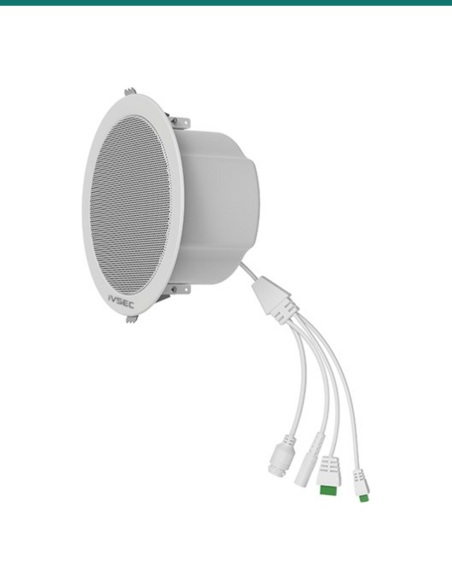
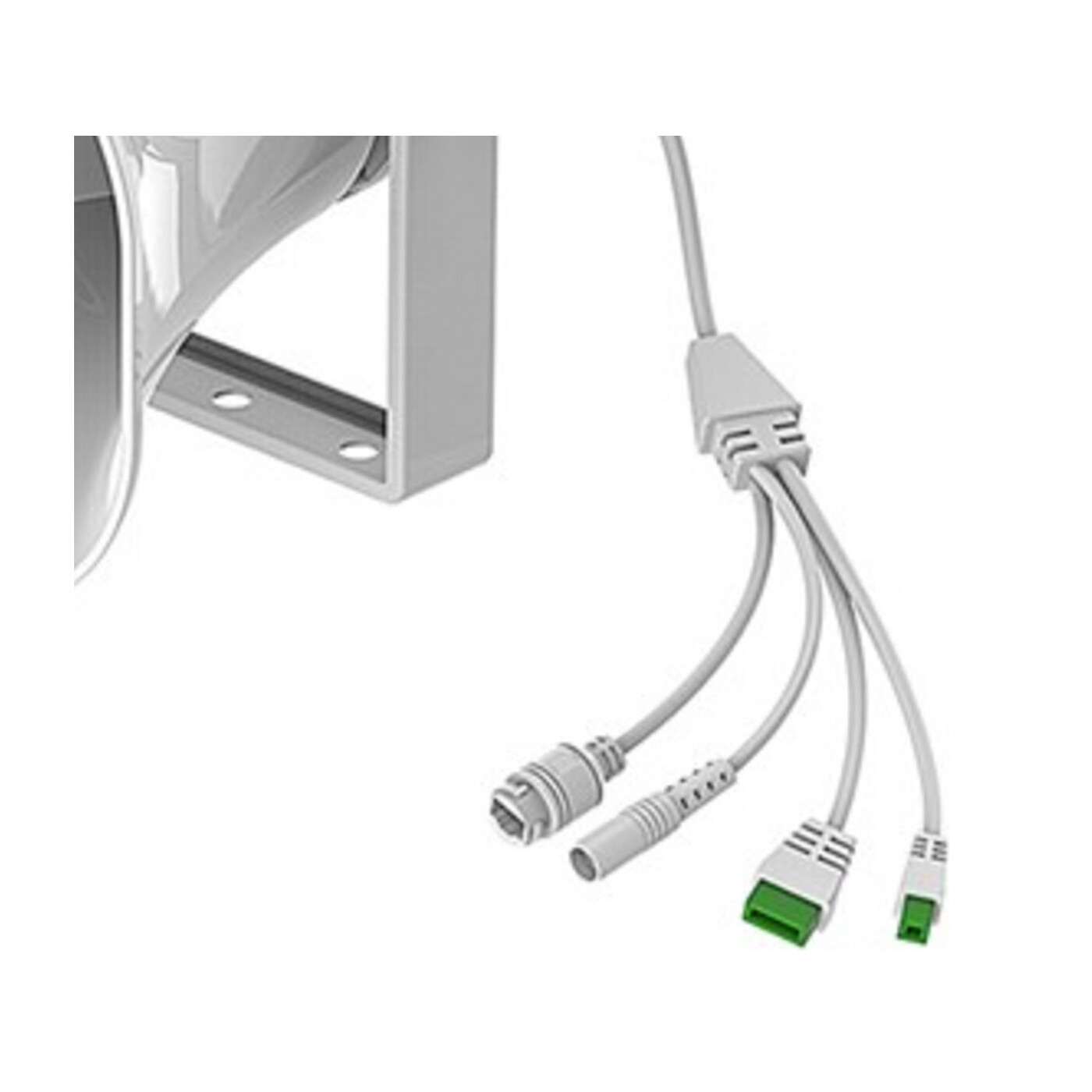
One alarm / relay input accepts a dry-contact trigger from an access controller, detector or panic point. One relay output can fire a strobe, siren enable or controller input when audio events run. The pigtail brings RJ45, DC input and those I/O terminals to the cable end for tidy outdoor terminations.
Power with PoE, PoE+ or 24 VDC over a 10/100 Ethernet link. Self-test / monitoring helps catch faults before the next live page. Operating range is −30 °C to +60 °C.
From mount to live page in four steps.
Mount & aim
Fix the U-bracket to wall or pole and tilt the horn toward the coverage zone.
Power on the LAN
Connect RJ45 to a PoE/PoE+ port, or use 24 VDC when you need full 30 W.
Register SIP / multicast
Set accounts, paging groups and schedules in the web GUI or your broadcast server.
Wire triggers
Optional: alarm in for contact events, relay out for strobes or controller inputs.
Key specs — IVNS100YA / NS100YA
Typical partners on an Australian security / IP-audio install
Control
SIP / broadcast platform
Extension calling, group page, schedules
Network
PoE / PoE+ switching
VLANs and multicast-friendly ports
Triggers
Access / alarm contacts
Drive the alarm input for event audio
Video
IVSEC IP cameras
Live talk-down with visual verification
Frequently asked questions
Yes — PoE delivers up to 8 W of speaker power. Use PoE+ for 15 W, or a 24 VDC / 2 A supply when you need the full 30 W output.
Yes — IP66 dust and water protection for exposed walls, poles and eaves when cable glands and terminations are finished correctly.
The built-in mic supports two-way intercom and monitoring when your SIP / broadcast platform is configured for it. Confirm privacy and recording policy before enabling talk-back on public sites.
The input accepts a dry contact to trigger audio or linked actions. The relay output can switch a strobe, siren enable line or controller input during a page or alarm event.
No — choose this for speech projection and alerts. For milder indoor music / soft paging, look at IVSEC wall or ceiling SIP speakers in the same IP audio range.
Order the IVNS100YA for outdoor horn coverage — genuine IVSEC stock, supported in Australia by Infront Technologies.
Low-voltage product (SELV). The IVNS100YA is powered by PoE / PoE+ or a plug-in 24 VDC adapter. There is no mains wiring inside the device — no electrician is required to power the unit itself when using an existing GPO for a compliant PSU, or a PoE switch / injector.
When a licensed tradesperson is required. Concealed structured data cabling is customer cabling under AS/CA S009 and must be performed by an ACMA-registered cabler. New GPOs, rack mains or premises wiring changes require a licensed electrician under AS/NZS 3000. Emergency / evacuation audio systems may have additional site and standards obligations — verify before relying on this speaker for life-safety announcements.
Specifications & imagery in good faith. Specs and imagery can change without notice at the manufacturer’s discretion. Confirm SIP compatibility, PoE budget and mounting clearance from the current datasheet before ordering. By ordering you confirm the product is fit for your intended use.


Need help choosing?
Tell us about your property and we'll recommend the right cameras and recorder.
07 5609 4910Sydney 02 8814 6008
[email protected]
Mon–Fri, 9am–5pm AEST
20 related items