There are no more items in your cart
- New
In Stock - Ready to Ship


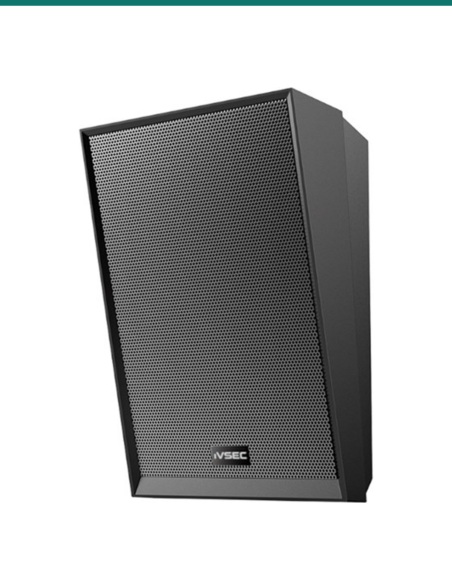
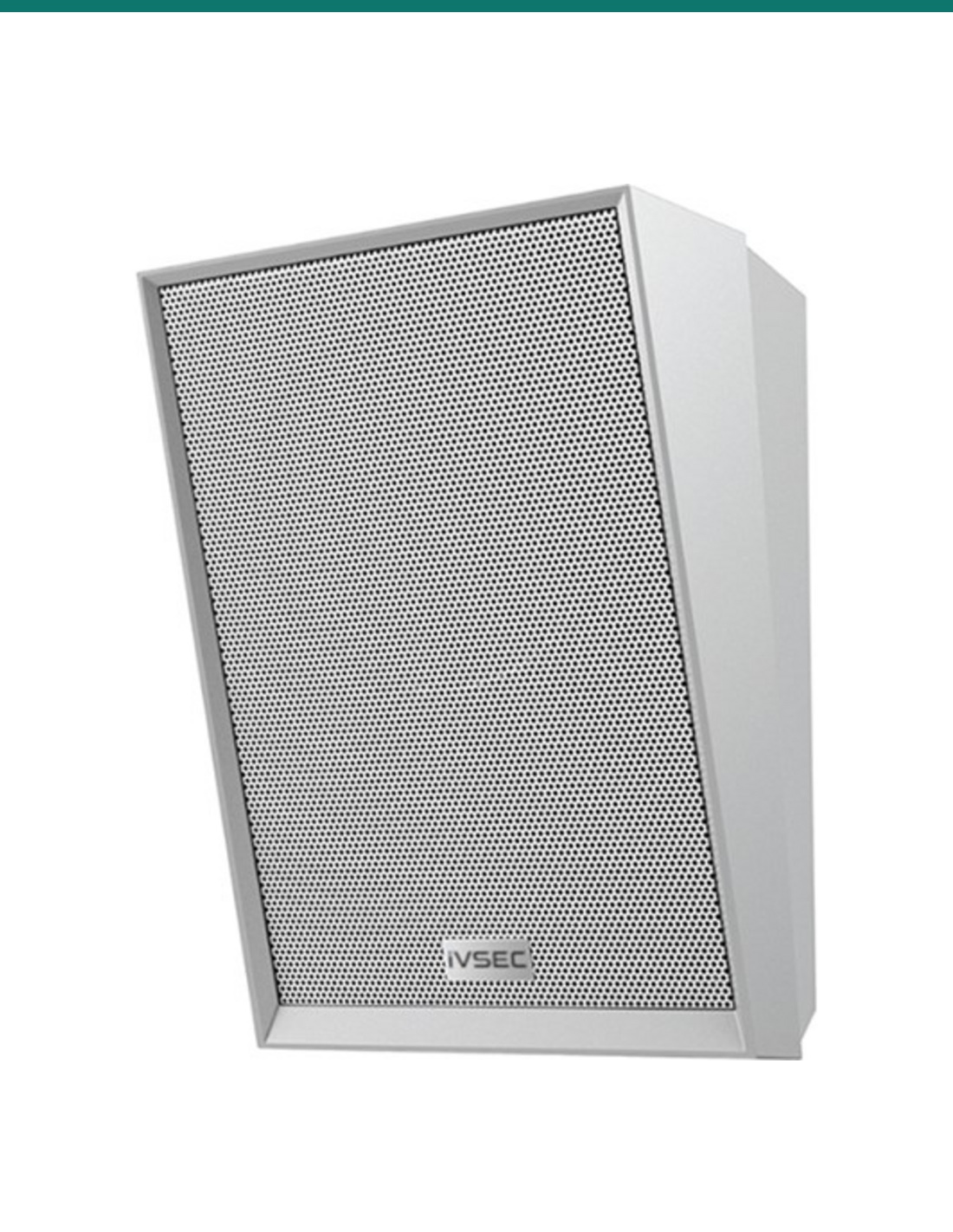
The IVSEC IVNS200YA is a 15 W white SIP wall speaker with a built-in microphone for two-way audio, multicast paging and network announcements in offices, schools and retail.
The IVSEC IVNS200YA is a network wall speaker designed for SIP paging and distributed audio in commercial, education, retail and light industrial environments. Verified product details supplied for this model include 15W output power, SIP network audio, a built-in microphone for two-way communication, multicast support, 3 audio inputs, 1 audio output and a white wall-mount form factor suited to fixed installation.
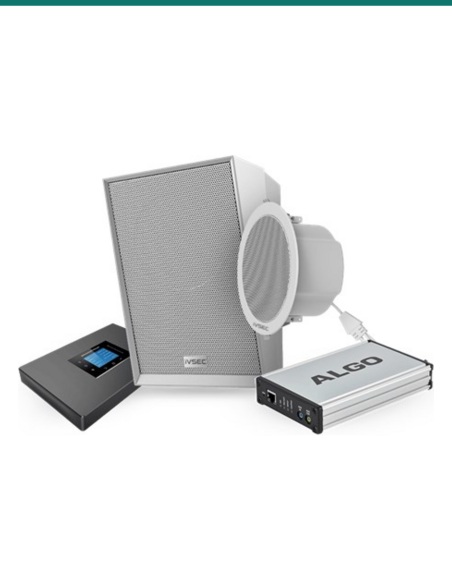
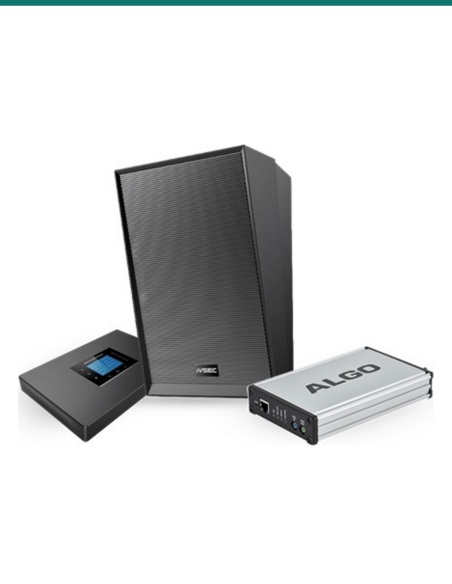
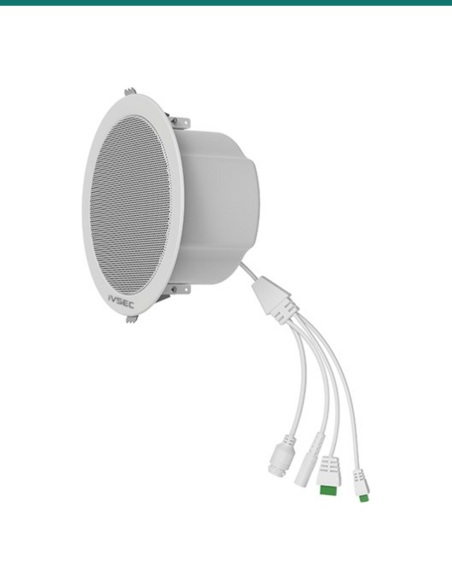
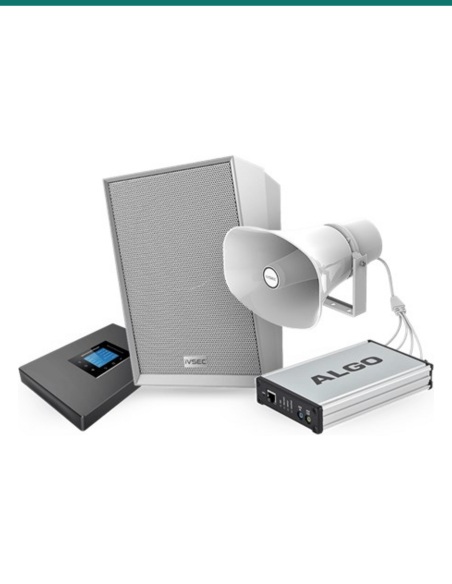
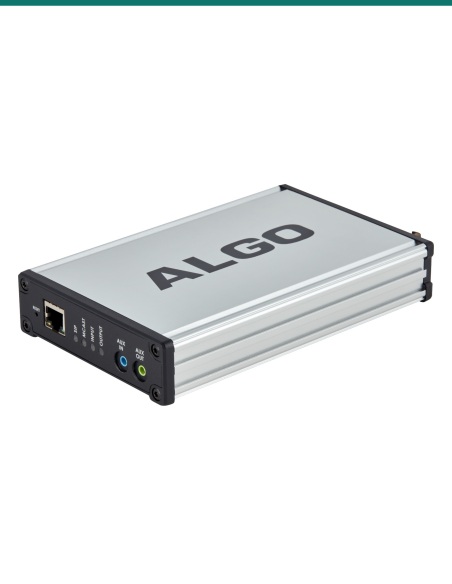
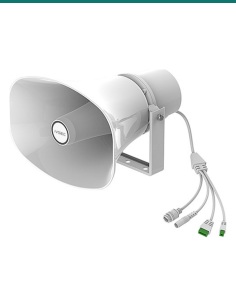
Product shot may differ from final colour variant, mounting arrangement or terminal layout.
For installers moving beyond simple analogue PA circuits, the IVNS200YA gives you an endpoint that sits directly on the network and speaks the language of modern voice systems. SIP capability makes it relevant for paging servers, intercom platforms and VoIP-linked announcements, while multicast support helps distribute audio efficiently across multiple speaker endpoints without creating unnecessary one-to-one stream overhead. The built-in microphone extends the unit beyond one-way broadcast, allowing two-way audio workflows where acknowledgement, monitoring or talkback is required.
Infront Technologies Australia supplies products like this with practical deployment in mind: matching the right network audio endpoint to the site, confirming compatibility expectations around SIP environments, and helping integrators build systems that are straightforward to commission, support and expand over time.
At its core, the IVNS200YA is a 15W wall speaker designed for fixed IP audio deployments. That output class suits corridor paging, reception announcements, classroom alerts, back-of-house instructions and other localised coverage tasks where intelligibility matters more than raw SPL. Because the speaker is SIP-capable, it can be addressed as a network device rather than treated as a passive load on a legacy amplifier line, simplifying zone logic in systems already built around IP infrastructure.
The inclusion of a built-in microphone shifts the unit into a more flexible role. Instead of functioning purely as a playback endpoint, it can support two-way voice paths where the application calls for confirmation, remote listening or conversational paging. For installers, that means one wall-mounted device can cover alerting, paging and talkback-style operation without requiring a separate intercom station in every position.
SIP support is the key specification for sites standardising on IP communications. It opens the door to integration with compatible paging controllers, intercom software, VoIP-adjacent systems and network audio architectures where endpoints need to register, receive calls or participate in managed voice workflows. In applications such as schools, warehouses, medical suites and mixed-use commercial premises, that can significantly reduce the friction of adding paging devices to an existing structured network environment.
Multicast support matters just as much in multi-speaker deployments. Instead of pushing separate duplicate streams to each endpoint, multicast allows one stream to be distributed to a group, helping conserve bandwidth and making synchronised paging more achievable across multiple listening points. Combined with 3 audio inputs and 1 audio output, the IVNS200YA gives integrators useful signal-handling flexibility at the edge of the network where local triggers, source feeds or onward audio routing may be part of the job.
The verified 3-input, 1-output arrangement is particularly relevant in real projects because network audio endpoints often need to interact with local devices. Depending on the broader system design, extra inputs can be valuable for auxiliary audio feeds, trigger-linked audio behaviour or connection to nearby equipment, while the output path may assist with onward routing to another device or an associated local audio stage. Exact signal assignment should always be confirmed from the official product documentation during design.
Physically, the white wall-mounted format suits visible deployment in public-facing interiors where a discreet finish matters. It is an easier visual fit for offices, healthcare areas, schools, apartment common spaces and retail zones than rack gear or industrial horn products. When the design brief calls for clear speech delivery from a neat on-wall endpoint with network control and microphone functionality, this model sits in a practical middle ground between an intercom station and a conventional PA speaker.
From network registration through to zone playback, the IVNS200YA fits a straightforward workflow familiar to integrators handling SIP-capable audio endpoints.
Install the white wall speaker at the required coverage point and connect it into the site network and associated audio/control wiring as required by the design.
Configure the endpoint within the relevant SIP environment or assign it to the required multicast group for one-to-many announcement distribution.
Integrate the 3 inputs and 1 output where the project calls for nearby source connection, triggering or linked audio behaviour at the installation point.
Deliver speech over the 15W speaker output and, where supported in the wider system, use the built-in microphone for return audio or two-way communication tasks.
Verified specifications and product attributes supplied for IVSEC IVNS200YA.
Quick definitions for common terms relevant to SIP speakers and network audio design.
Session Initiation Protocol, commonly used to establish and manage voice sessions across IP networks.
A one-to-many streaming method that lets a single audio stream be delivered to multiple subscribed endpoints efficiently.
Voice communication that supports both listening and speaking, rather than playback only.
A device on the network that receives, sends or processes audio within the system.
A defined area or device group targeted for announcements without broadcasting to every speaker on site.
An audio signal output intended to feed another compatible device, recorder or amplifier input stage.
A connection point that accepts an incoming signal, trigger or source depending on product design.
Return speech from the field device back to an operator, server or monitoring station.
A self-contained speaker enclosure intended for direct installation on a wall surface rather than ceiling or rack mounting.
No verified dimensional drawing or exact enclosure measurements were supplied in the source material provided for this listing.
Typical categories to consider alongside this IVSEC network speaker in a complete deployment.
Managed switching is often the foundation for distributed IP audio, especially when multicast behaviour and VLAN planning are part of the broader design.
Choose a compatible SIP-capable server, PBX or paging controller to manage registration, calling logic, zones and announcement workflows.
Use standards-compliant cabling and terminations appropriate to the site so the speaker endpoint performs reliably on the production network.
Multicast-ready deployments benefit from grouping compatible endpoints for coordinated paging across corridors, rooms or building sections.
No. The verified product information identifies it as a SIP network wall speaker, meaning it is intended to operate as an IP audio endpoint rather than as a simple passive speaker on a conventional 100V or low-impedance amplifier line.
Yes, the supplied source details specify a built-in microphone, and the product is described for SIP paging and two-way audio applications.
It means the speaker can participate in one-to-many audio distribution where a single stream is delivered to multiple devices. In larger systems, that can be preferable to multiple duplicated unicast streams.
Verified listing information states 3 audio inputs and 1 audio output. Exact connector types, signal levels and usage modes should be checked in the official documentation before specifying ancillary devices.
A 15W network wall speaker is generally suited to localised speech-oriented coverage such as hallways, reception points, classrooms, waiting areas, staff spaces and other moderate-area paging zones.
Yes. This listing is for the white wall-mount version, referenced as IVSEC 15W SIP White Wall Speaker with Mic — IVNS200YA.
Confirm power method, SIP compatibility, input/output signal type, environmental suitability and installation clearances from the current manufacturer documentation before purchase or deployment in life-safety, emergency communication or compliance-governed systems.


Need help choosing?
Tell us about your property and we'll recommend the right cameras and recorder.
07 5609 4910Sydney 02 8814 6008
[email protected]
Mon–Fri, 9am–5pm AEST
20 related items