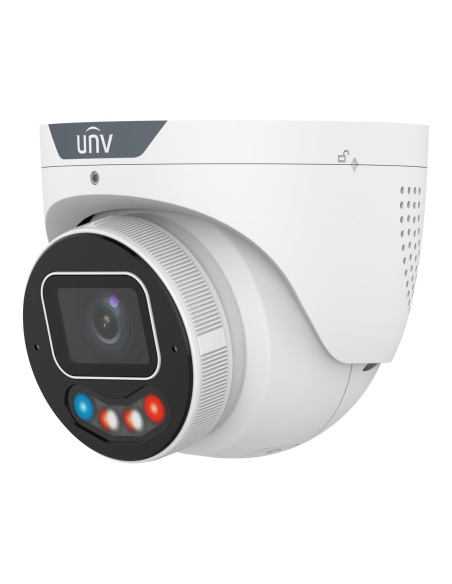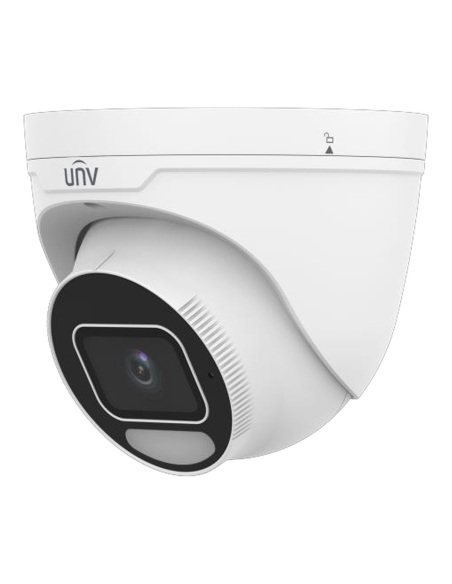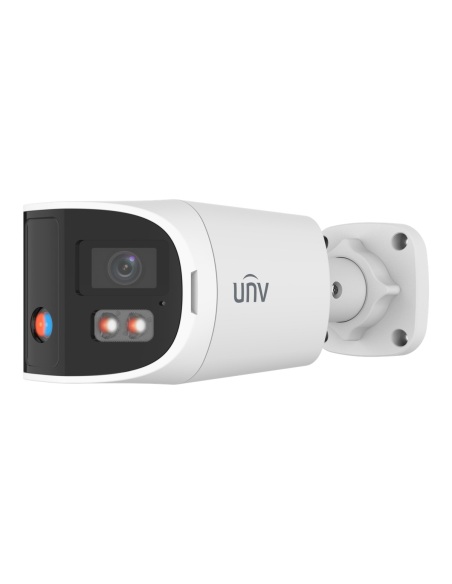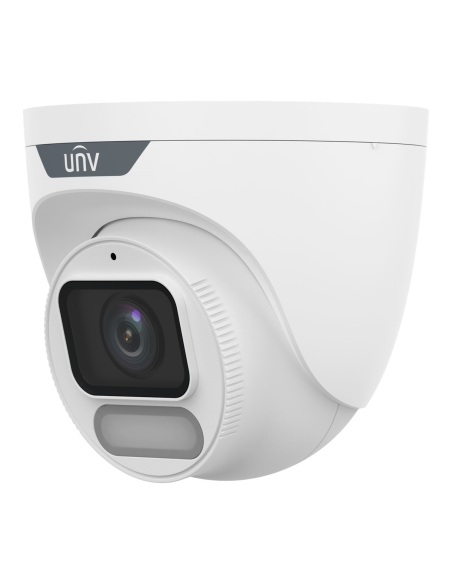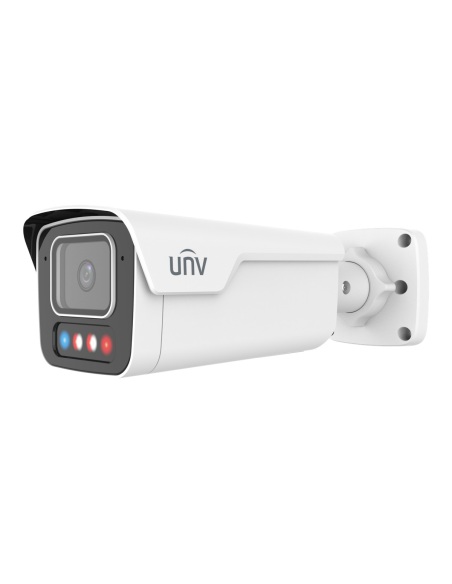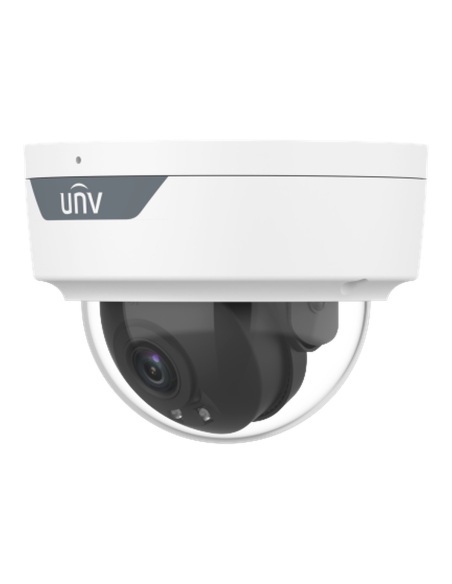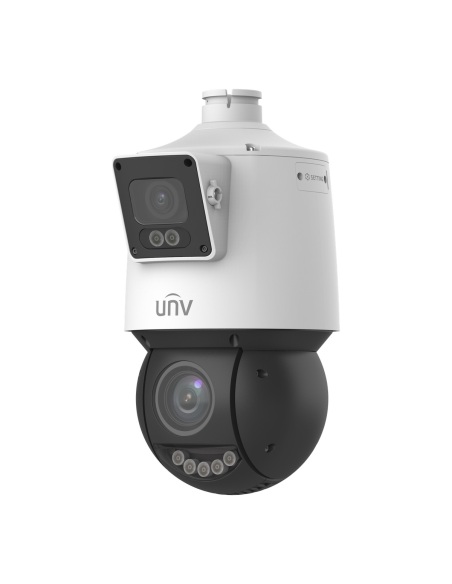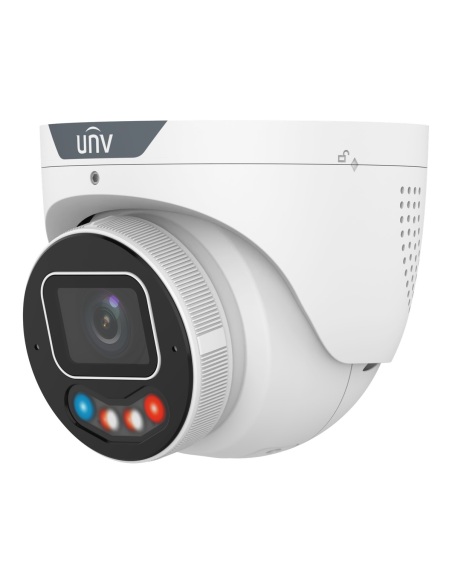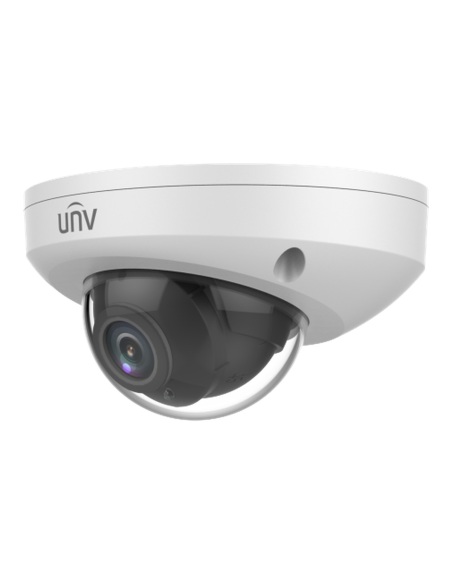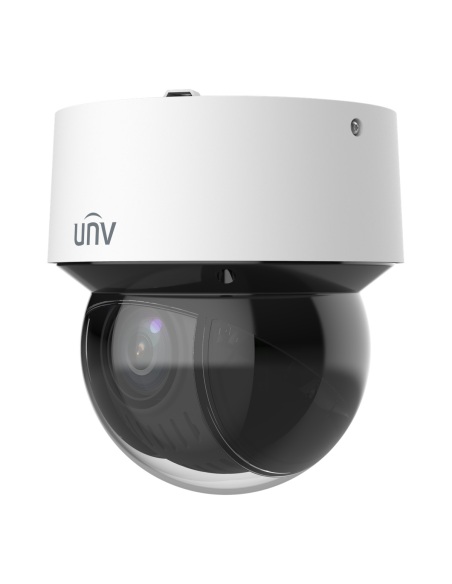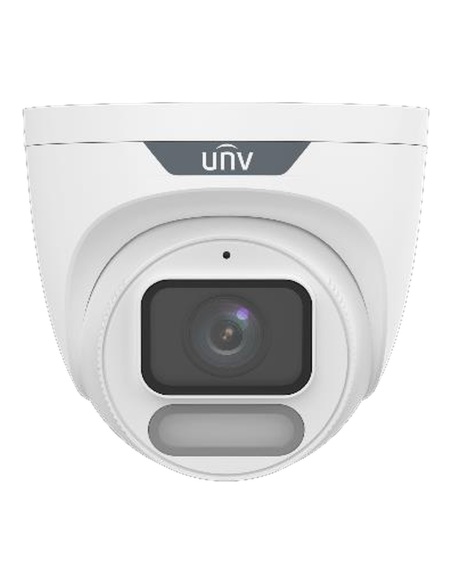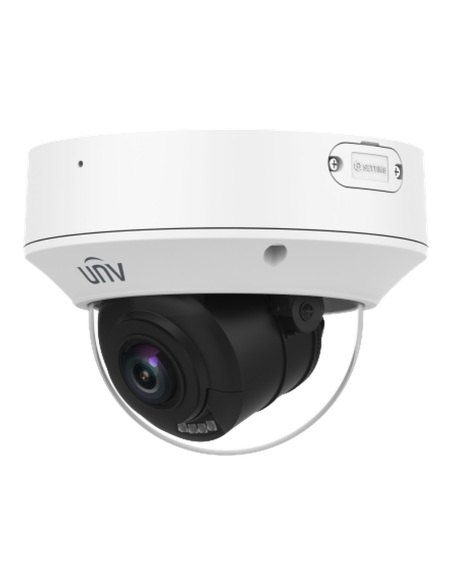
There are no more items in your cart
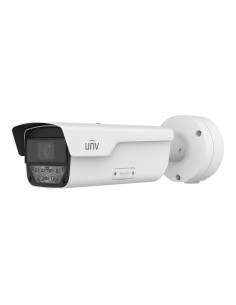
- New
In stock
Uniview Number Plate (LPR) Cameras


or 4 interest-free payments of $257.50 with
A 4MP LPR camera with a 8–32 mm lens that reads Australian plates on board, checks 20,000-entry allow and block lists, and opens gates through its relays or Wiegand output.
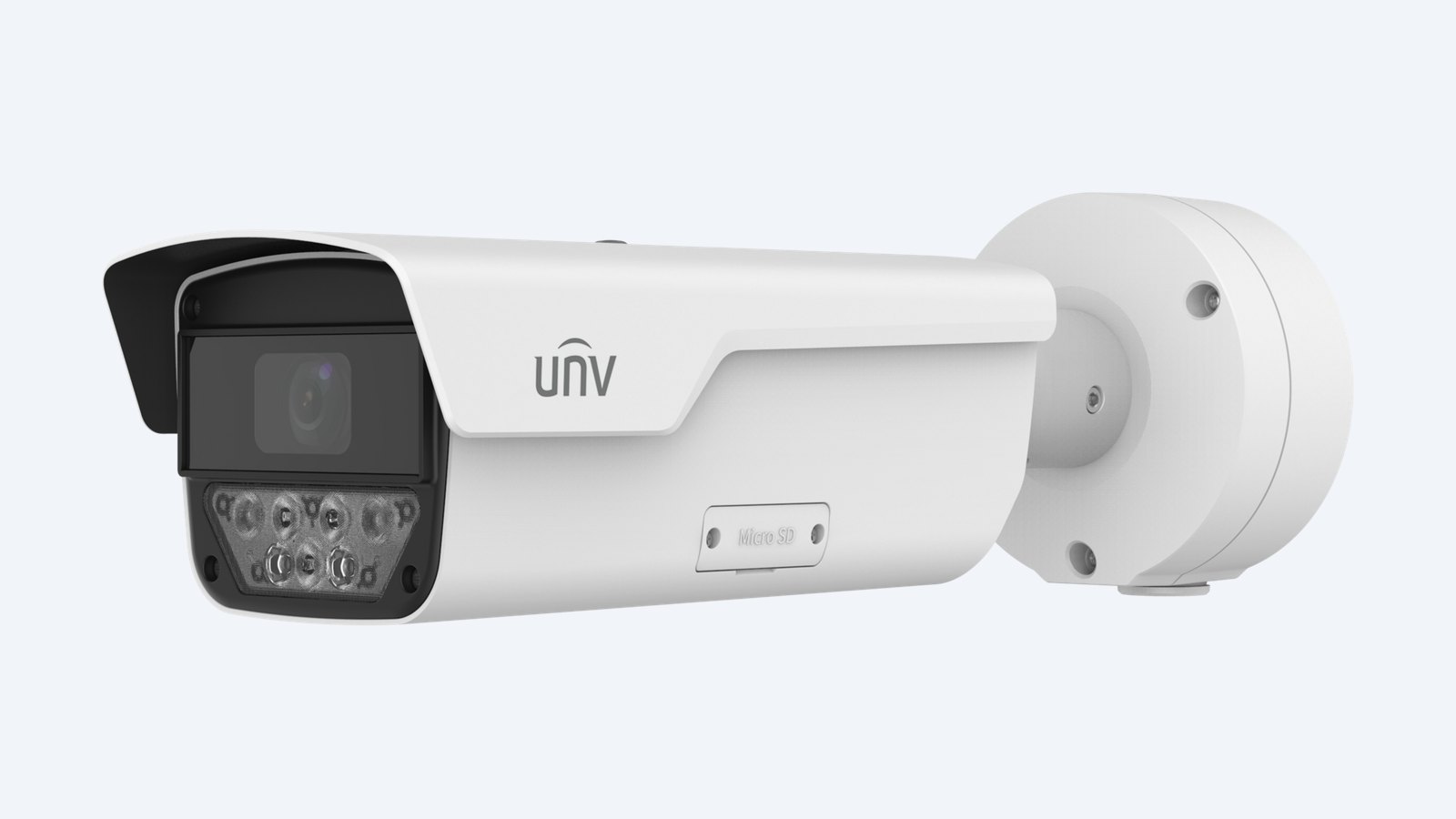
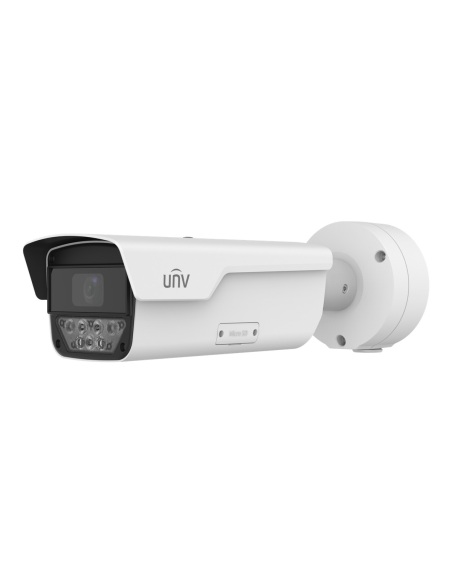
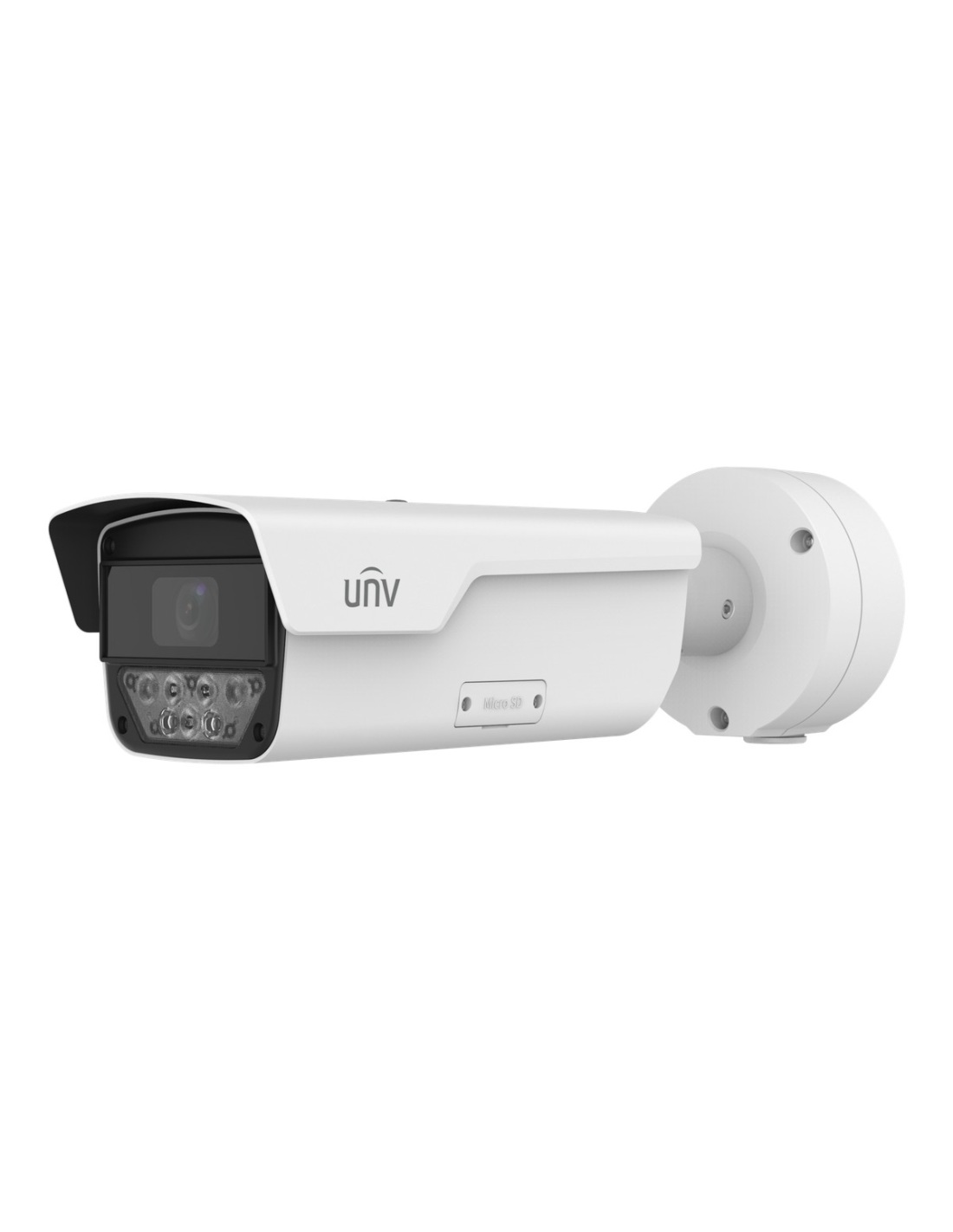
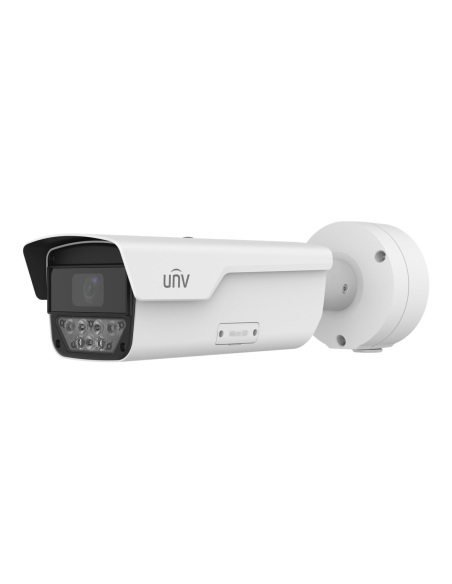
This is the Uniview PKC2641-Z80-IR-P. A 4MP licence plate recognition camera that reads Australian plates on the camera itself, checks them against allow and block lists, and switches a relay to open a gate or boom. The 8–32 mm lens suits lanes and roads further from the camera.
In one sentence: the PKC2641-Z80-IR-P is a 4MP (2688 × 1520) LPR camera with a 1/1.8" sensor, 8–32 mm F1.7 lens, on-camera plate recognition, 20,000-entry allow and block lists, 2 relay outputs, Wiegand, 5 IR LEDs to 50 m, IP67 and IK10, powered by PoE+ or 12 V DC.
Camera, junction box and one PoE+ cable.
It comes with a junction box for the tail cable. Wire the relay output to the gate or boom controller, or the Wiegand output to an access panel.
The plate is read on the camera, so a small site can run a boom gate with just the camera, a relay and a lock. Uniview rates it for vehicles up to 30 km/h at entries and up to 80 km/h on regular roads, and it also logs vehicle type, colour and make.
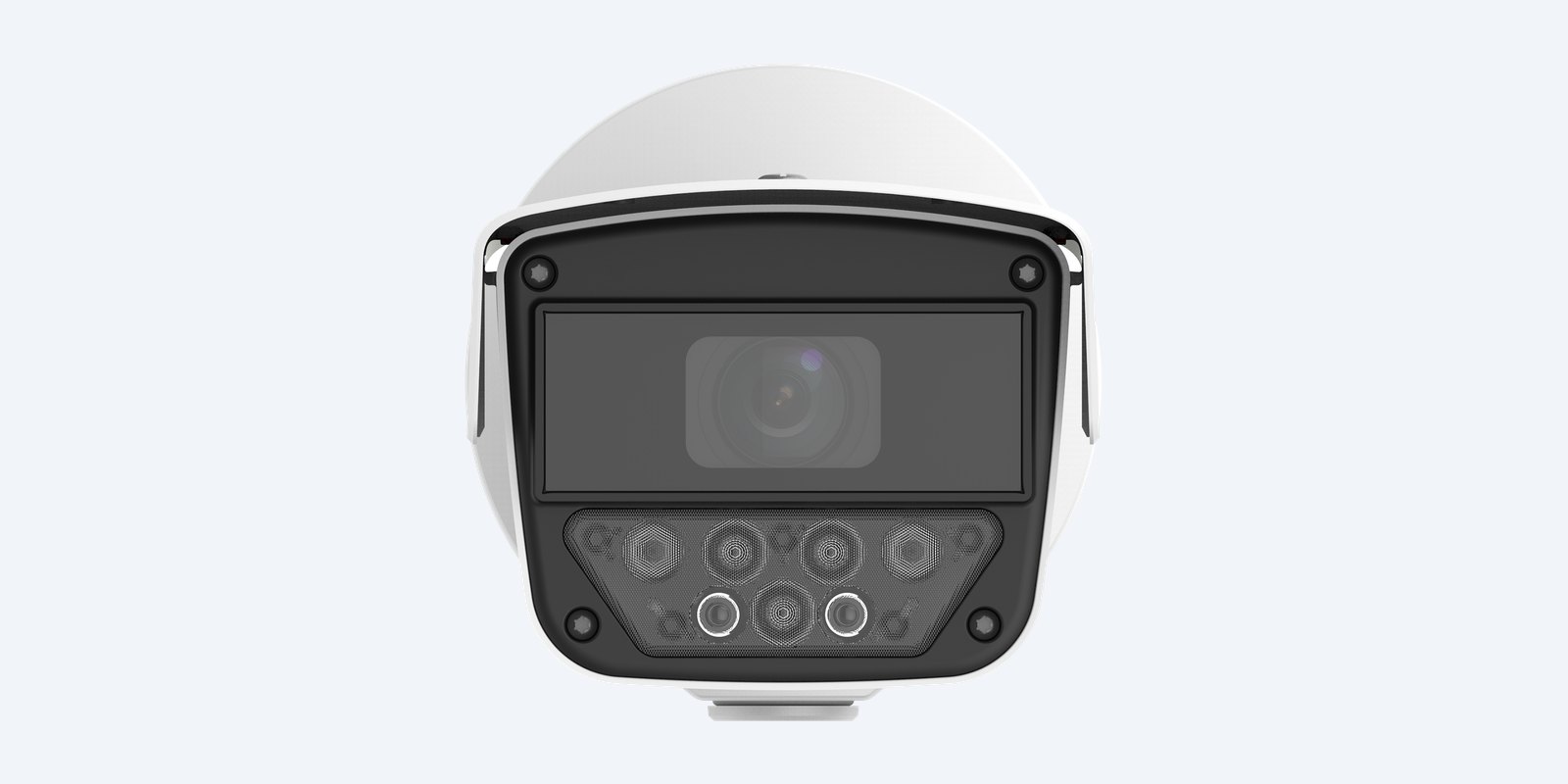
Design
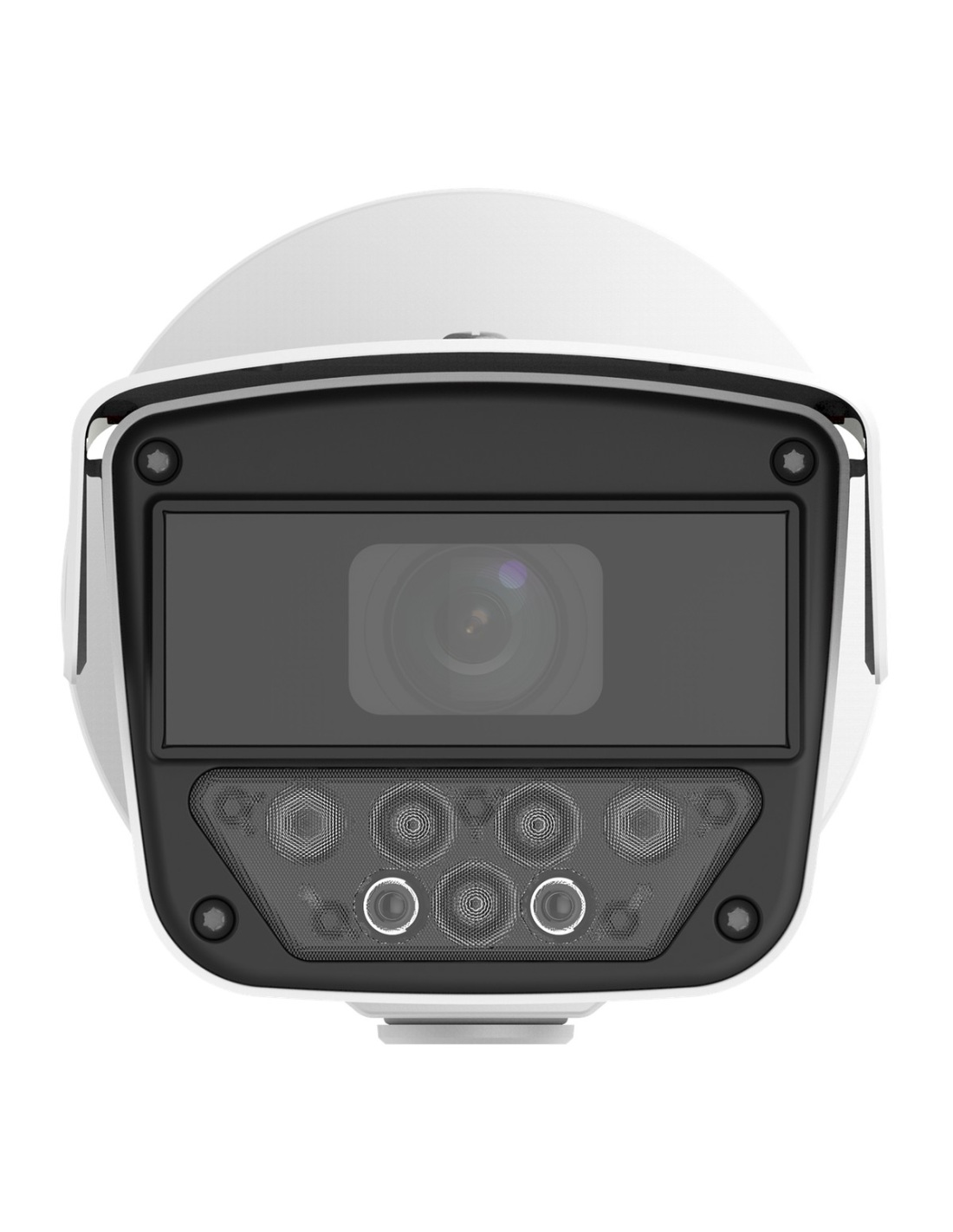
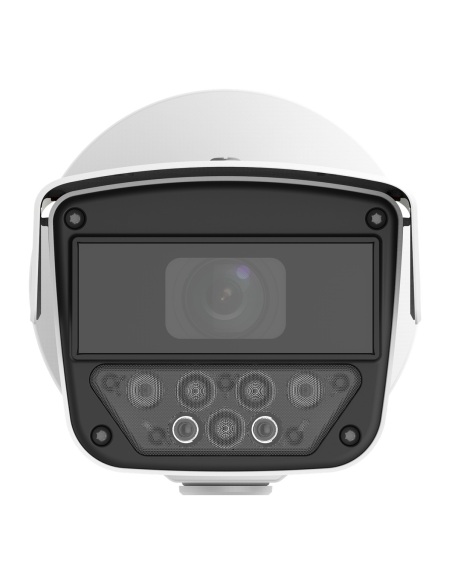
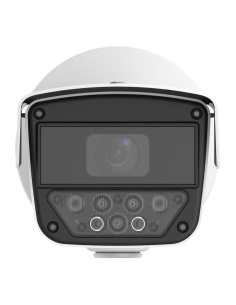
Five IR LEDs light the plate up to 50 m at night, so no extra lighting is needed.
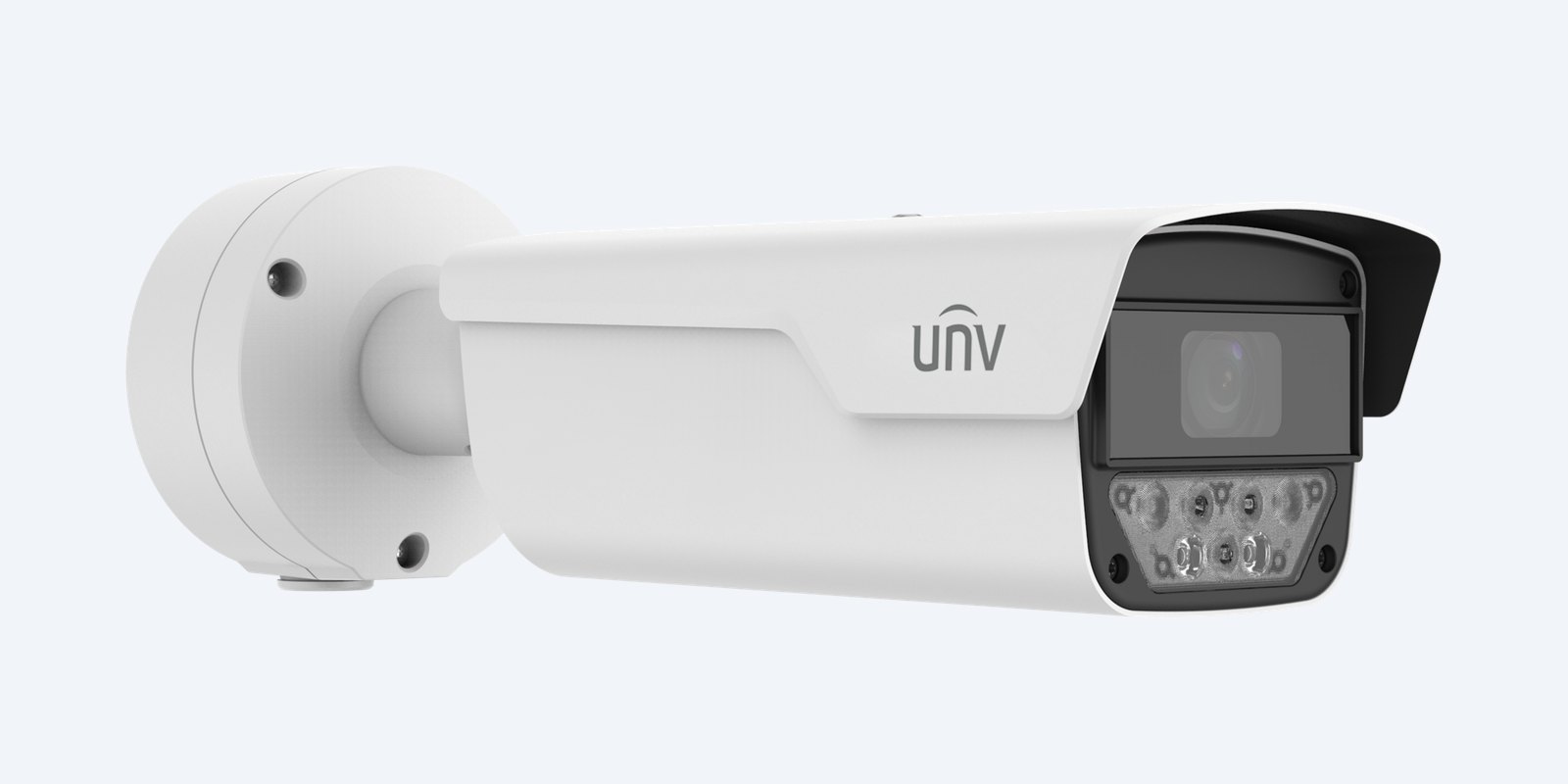
Build
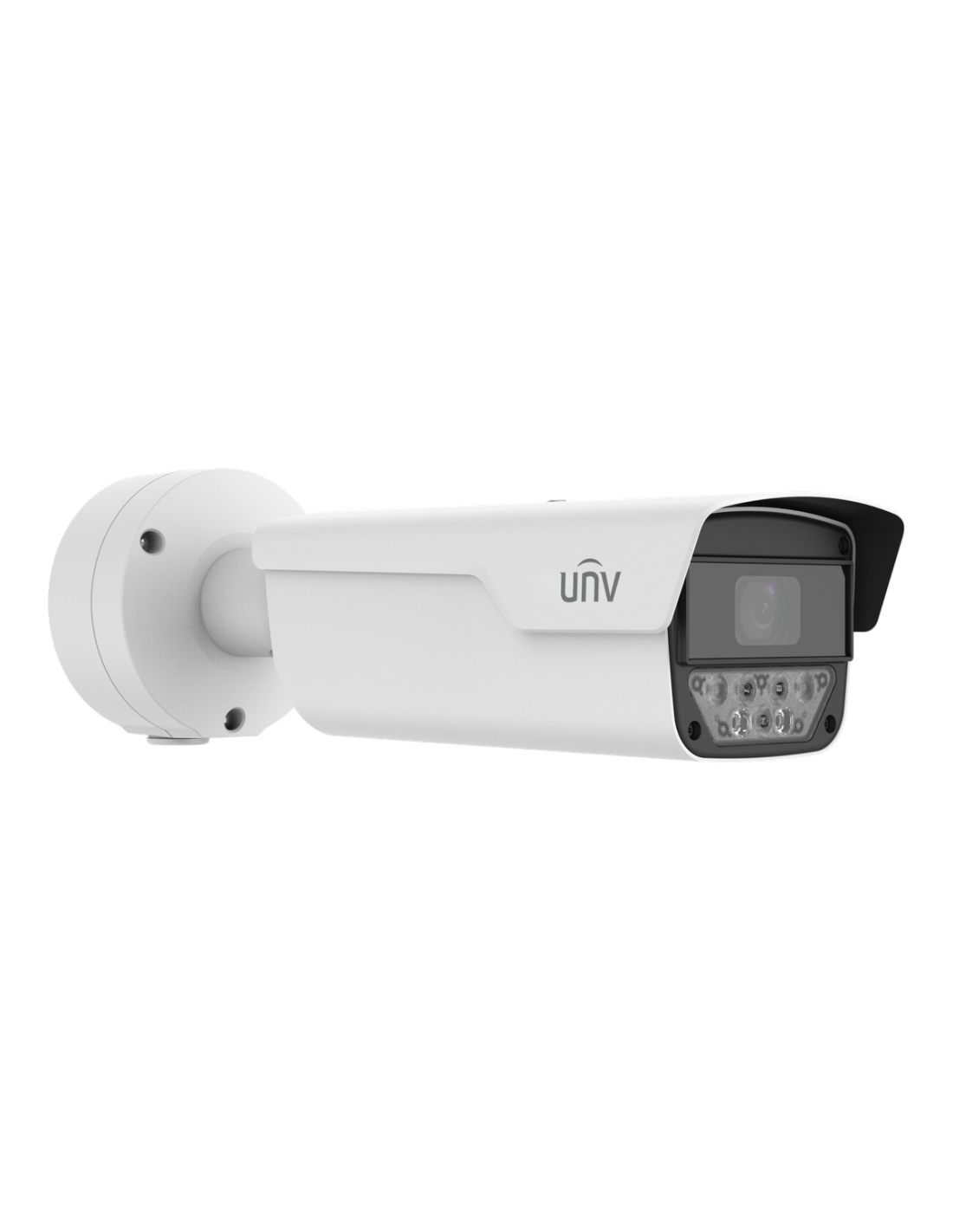
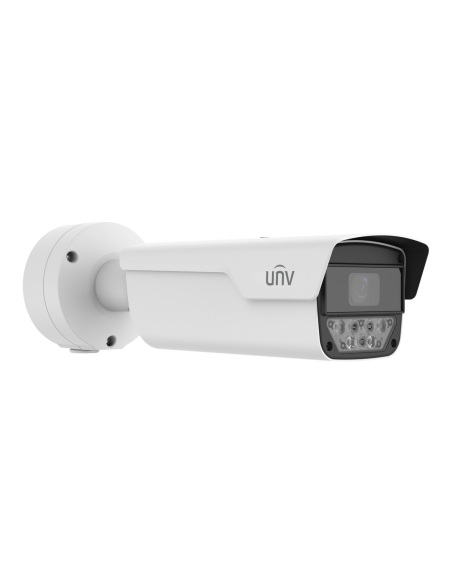
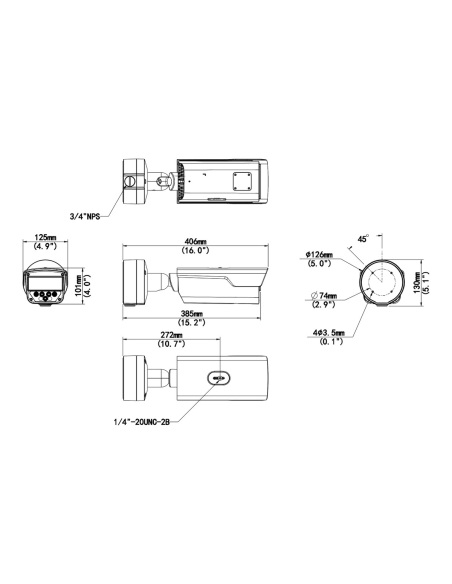
The bracket aims the camera along the lane, and the supplied junction box houses the tail cable. IP67 and IK10.
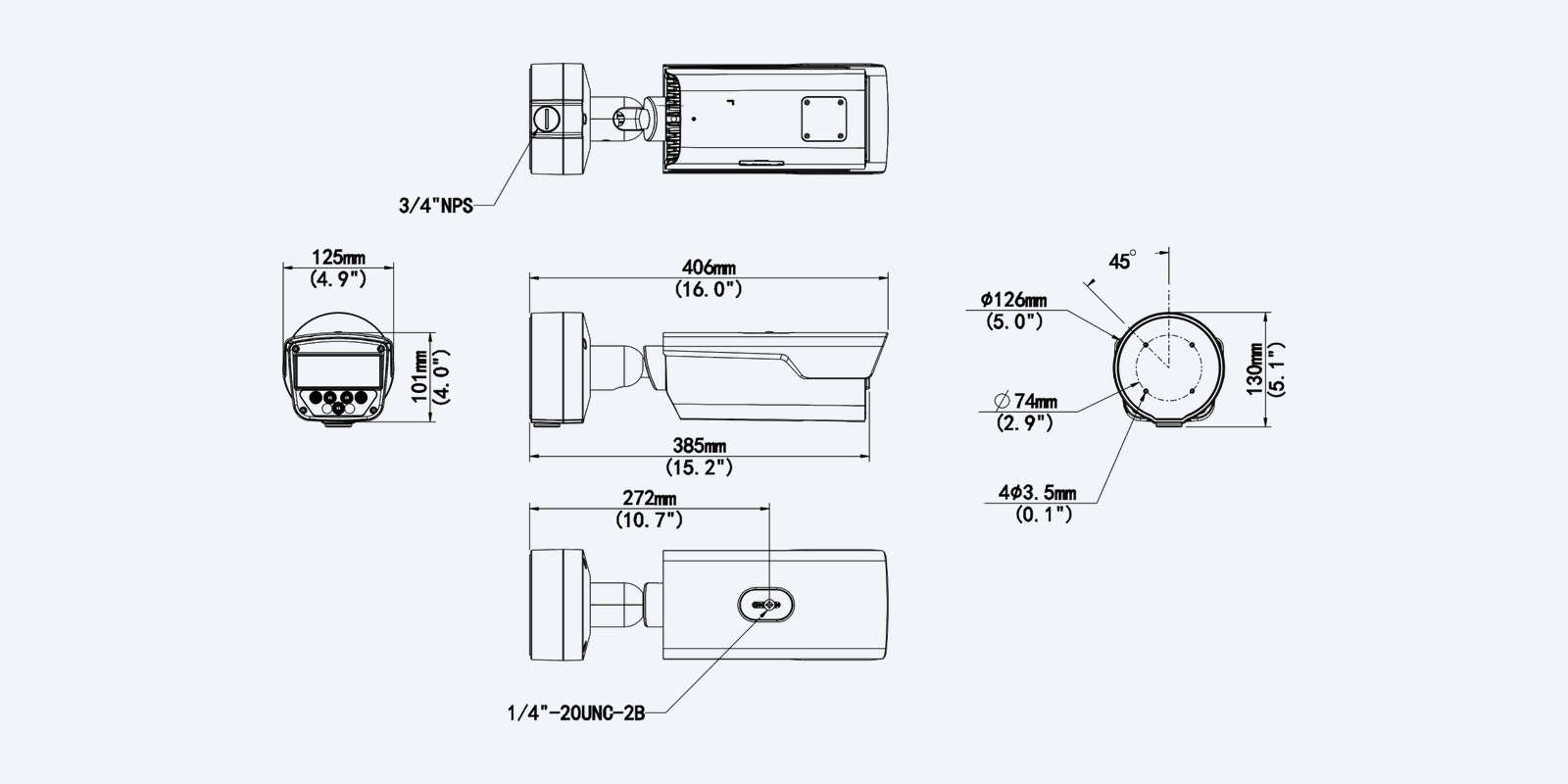
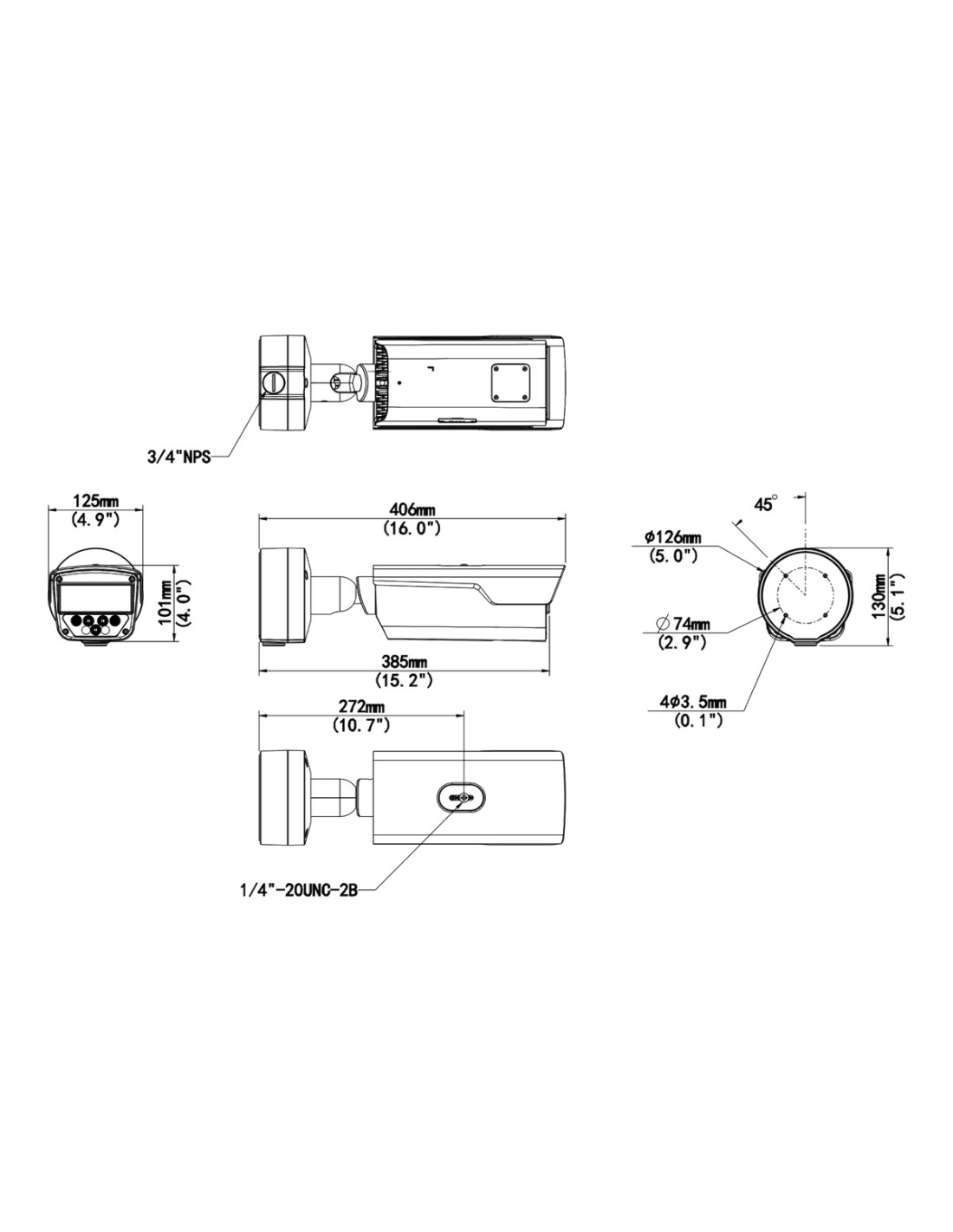
Dimensions
Working from −40 °C to 60 °C.
How it goes in
01
Along the lane or road, set back so plates pass through the picture at a shallow angle, within the 8–32 mm range.
02
Fix the bracket and junction box to the wall or pole, run Cat6 for PoE+, and wire a relay to the gate controller if needed.
03
Frame the lane so plates fill enough of the picture, then set the detection area and the country for plates in the web page.
04
Load the allow and block lists and set which relay opens for an allowed plate.
At a glance
Show specs
Resolution
4MP (2688 × 1520), up to 60 fps
Sensor
1/1.8" CMOS
Lens
8–32 mm, F1.7, DC-iris
View
42° to 15.5° across
Low light
0.002 lux colour
WDR
120 dB
Night vision
5 IR LEDs, up to 50 m
Frame rate
Up to 60 fps at 4MP
Compression
H.264, H.265
Plate recognition
Australian plates (letters and numbers); up to 30 km/h at entries, 80 km/h on roads; 20,000 allow and 20,000 block entries; vehicle type, colour and make
Audio
1 audio in, 1 out
Other connections
2 relay outputs (AC 125 V 0.3 A, DC 30 V 1 A), 2 alarm inputs, 2 × RS485, Wiegand output
On-camera storage
microSD up to 512GB; ANR
ONVIF
Profile S, G, T
Network
1 × RJ45 10/100
Power
PoE+ (802.3at class 4) or 12 V DC, max 20 W
Weather and impact
IP67, IK10
Operating
−40 °C to 60 °C, ≤90% RH
Size and weight
406 × 126 × 130 mm, 1.91 kg
Pair it with
Recorder
Uniview recorders add the camera over one Cat6 cable, bring in its smart events and keep weeks of footage on their hard drives.
Poles
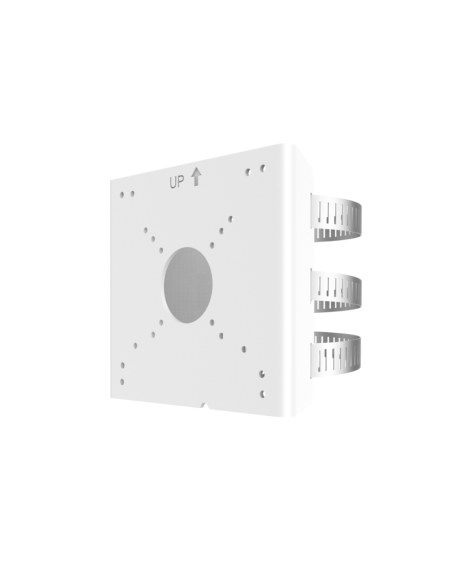
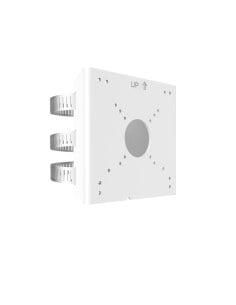
Listed by Uniview for mounting this camera on a pole.
Cabling
Solid copper Cat6 for PoE runs up to 100 m from the switch or recorder.
Storage
A surveillance-grade card up to 512GB records on the camera itself and covers network drop-outs.
Where it is used
Read plates further back from the gate.
Log every vehicle entering the property.
Record trucks in and out at the weighbridge road.
Read plates on the ramp before the boom.
| PKC2641-Z28-IR-P | PKC2641-Z80-IR-P | |
|---|---|---|
| Lens | 2.8–12 mm, F1.4 | 8–32 mm, F1.7 |
| View across | 106.4° to 50.3° | 42° to 15.5° |
| Best for | Gates, boom gates and car park entries | Driveways and roads further from the camera |
| Vehicle speed | Up to 30 km/h at entries; up to 80 km/h on roads | Up to 30 km/h at entries; up to 80 km/h on roads |
| Low light | 0.0005 lux colour | 0.002 lux colour |
| IR | 4 IR LEDs, up to 50 m | 5 IR LEDs, up to 50 m |
| Weight | 1.87 kg | 1.91 kg |
Both have a 4MP 1/1.8" sensor, Australian plate recognition, 20,000-entry allow and block lists, 2 relay outputs, Wiegand, PoE+ or 12 V DC (max 20 W), IP67 and IK10. Figures from the Uniview datasheet.
This 8–32 mm model suits lanes and roads where the camera sits further from the vehicles. For gates and car park entries close to the camera, the PKC2641-Z28-IR-P has a 2.8–12 mm lens.
Uniview rates it for vehicles up to 30 km/h at entries and exits, and up to 80 km/h on regular roads.
The camera on its three-axis bracket, a junction box for the tail cable, waterproof cable parts and a quick guide.
Yes. Australia is on Uniview’s list of supported countries and regions for plate recognition. It reads letters and numbers on the plate.
Yes. Keep up to 20,000 plates on an allow list and 20,000 on a block list. When a listed plate is read, the camera can switch one of its two relay outputs to open a gate or boom, or send the plate number over Wiegand to an access control panel.
Along with the plate it records the vehicle type, colour and make (Uniview lists 133 makes), plus a snapshot. You can search for a plate or vehicle later on the recorder or platform.
No. Built-in IR LEDs light the plate up to 50 m away, and the 1/1.8" sensor keeps colour down to very low light.
It comes with a junction box for the tail cable and mounts on a wall or, with the TR-UP06-C-IN adapter, on a pole. Aim it along the lane so plates pass through the picture at a shallow angle, then set the detection area in the web page.
It works with Uniview NVRs and platforms, ONVIF (Profile S, G, T) recorders and Uniview’s SDK. For gates it can run standalone using its own lists and relays.
Yes, to a microSD card of up to 512GB. With a recorder, ANR fills any gap from the card after a network drop-out.
By PoE+ (IEEE 802.3at, class 4) over one Cat6 cable, or a 12 V DC supply. It draws up to 20 W, so check your PoE switch has a PoE+ port.
Uniview 3-year manufacturer warranty, handled in Australia through InFront. Contact us first and we will organise any claim.
Planning a site with panoramic, PTZ or plate cameras? Call 1300 736 970 or email [email protected] with a floor plan or photos and we will suggest the models, mounts and recorder.
Power. Use a PoE+ (802.3at) port or a regulated 12 V DC supply. The relays are rated AC 125 V 0.3 A and DC 30 V 1 A; switch larger loads through the gate controller.
Weather. IP67 and IK10, rated from −40 °C to 60 °C.
Figures. From the Uniview PKC2641-Z80-IR-P datasheet. Uniview 3-year manufacturer warranty, handled in Australia through InFront.
20 related items